
The information provided in this article is intended solely for general informational and educational purposes related to U.S. laws and legal topics. It does not constitute legal advice, legal opinions, or professional legal services, and should not be considered a substitute for consultation with a qualified attorney or other licensed legal professional.
While efforts have been made to ensure the information is accurate and up to date, no guarantees are given—either express or implied—regarding its accuracy, completeness, timeliness, or suitability for any specific legal situation. Laws, regulations, and legal interpretations may change over time. Use of this information is at your own discretion.
It is strongly recommended to consult official sources such as the U.S. Government (USA.gov), United States Courts, or relevant state government and court websites before acting on any information contained on this website or article. Under no circumstances should professional legal advice be ignored or delayed due to content read here.
This content is of a general and informational nature only. It is not intended to replace individualized legal guidance or to establish an attorney-client relationship. The publication of this information does not imply any legal responsibility, guarantee, or obligation on the part of the author or this site.
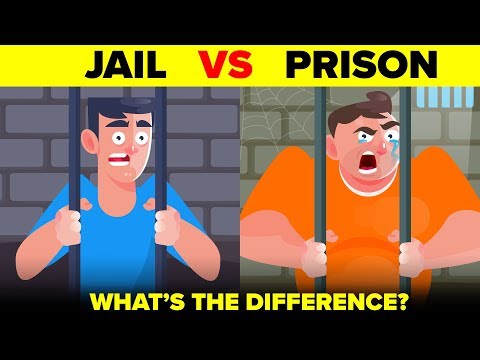
Alright, so here’s the deal. People often mix up prison, jail, and penitentiary. But honestly? They’re not all the same.
Imagine you’ve got a buddy who ends up behind bars. You’d probably want to know where he’s at, right? Is he in jail for a night or two? Or is it prison for the long haul?
It turns out there are some key differences between these places. And knowing what they are might just surprise you. So, let’s break it down and clear up the confusion. Sound good?
Understanding the Differences Between Jail and Penitentiary: Key Legal Insights
So, let’s get into this whole jail vs. penitentiary thing. A lot of people mix them up, but they’re really different places with distinct purposes.
First off, **jail** is usually a local facility. You end up there mostly for short-term stays, like if you’re awaiting trial or serving a sentence for minor crimes—think misdemeanors or small offenses. People are often held here because they can’t make bail or are just waiting for their court date.
On the flip side, there’s the **penitentiary**—or prison, as most folks call it. This is where you go if you’ve been convicted of more serious crimes like felonies. We’re talking about longer sentences here—often more than a year. Penitentiaries have stricter security measures and are designed for punishment and rehabilitation of serious offenders.
Now let’s break it down a bit more:
- Duration of Stay: Jails hold people temporarily, while penitentiaries are for longer-term incarceration.
- Type of Offenses: Jails deal with minor crimes; penitentiaries handle serious offenses.
- Facility Administration: Jails are usually run by local governments; penitentiaries operate under state or federal governments.
- Programs Available: Penitentiaries often offer rehabilitation programs to help inmates reintegrate into society; jails typically don’t have those resources.
You might be surprised to know that conditions can also vary quite a bit. Jails tend to be overcrowded and less regulated, since they’re often used as a catch-all for anyone who’s been arrested recently. In contrast, penitentiaries have more structured environments with specific rules and regulations in place.
Oh, and let’s not forget about the layout! Jails are smaller; they might feel kind of cramped because they weren’t built to house many people long term. On the other hand, penitentiaries are like mini-cities—they have various wings or sections dedicated to different types of inmates.
If we look at the emotional side too—imagine being stuck in jail waiting to see what happens next. It can be incredibly stressful! Now think about being in a penitentiary doing hard time—it changes your whole life perspective.
Understanding the 5 Key Differences Between Jails and Prisons
So, you’re wondering about the differences between jails and prisons? That’s a good question! It’s one of those topics that can be a bit confusing, but let’s break it down into some key points. You see, while they both deal with incarceration, they serve different purposes in the legal system.
First off, let’s talk about who goes where. Jails are typically for people who are awaiting trial or serving short sentences—like less than a year. They might have been arrested for a minor offense or just haven’t been found guilty yet. On the other hand, prisons house people who have been convicted of felonies and are serving longer sentences, usually more than a year.
Another difference is about management and operation. Jails are usually run by local authorities like cities or counties. Prisons? They’re managed by state or federal governments. This can affect everything from how many inmates a place can hold to the resources available for rehabilitation programs.
Next up is the environment. Since jails deal with people who often haven’t been tried yet, they tend to have more of a transient vibe. People come and go pretty quickly. Prisons are more established; inmates stay there longer and generally experience a more structured environment.
The length of stay is another crucial factor. Most folks in jail are there for shorter periods—some might even be released after just hours if they bail out or get their charges dropped. But in prison? You’re looking at years, sometimes even decades, depending on what someone was convicted of.
Lastly, think about the programs offered. Jails often don’t have as many rehabilitation programs since inmates may not be there long enough to participate in them. In contrast, prisons usually provide various programs aimed at education and self-improvement because they’re designed to help inmates reintegrate into society once they’re released.
So to sum it up:
- Purpose: Jails are for pre-trial individuals or those with short sentences; prisons are for long-term felony convictions.
- Management: Jails are run by local entities; prisons by state or federal government.
- Environment: Jails tend to be more transient; prisons offer a structured setting.
- Length of Stay: Jail time is usually brief; prison time can span years.
- Programs: Limited rehabilitation in jails vs. targeted programs in prisons.
Understanding these differences helps clarify how our justice system works and why people end up in one facility over the other. It’s pretty fascinating when you think about it!
Understanding the Key Differences Between Jails and Prisons: A Comprehensive Guide
Jails and prisons are often confused, but they serve very different roles in the American legal system. You know, it’s kind of like mixing up a coffee shop with a fine dining restaurant. Both might serve food and drinks, but the vibe and purpose are totally different. Alright, let’s break it down.
Jails are short-term facilities. They’re mainly used for people awaiting trial or serving brief sentences—like those pesky misdemeanors. Imagine someone gets arrested for something minor, they might end up in jail while waiting for their court date. Jails are usually run by local governments and can hold people for just a few days to several months.
On the flip side, we have prisons. Here’s where things get serious. Prisons are meant for long-term confinement of individuals convicted of serious crimes. These can be felonies like robbery or murder. When someone is sentenced to more than a year behind bars, they’re going off to prison, which is managed by state or federal governments.
Now let’s dive into some key differences that make each facility unique:
- Length of Stay: Jails hold people temporarily; prisons keep them long-term.
- Types of Offenses: Jails deal mostly with minor offenses; prisons handle major crimes.
- Management: Local authorities run jails; prisons fall under state or federal control.
- Amenities: Jails offer basic services; prisons typically have structured programs like education and work release.
- Crowd Control: Jails often experience overcrowding due to short stays; prisons may have more stable populations over time.
It’s worth mentioning that jails can sometimes feel a bit chaotic because they hold people from all walks of life—innocent folks waiting for their day in court alongside those who have committed crimes. It can be emotionally intense!
So, if you’ve ever seen those crime dramas on TV where characters get sent to the slammer, think about whether it’s a jail or prison situation. You’d probably get a clearer picture based on how serious the character’s situation is.
And there you go! Understanding these differences not only helps clarify what each facility does but also gives you insight into how our legal system operates at different levels—seriously important stuff if you’re interested in law or just want to be ‘in the know’!
So, let’s chat about prison, jail, and penitentiary. They might sound like interchangeable words, but they’re not quite the same thing in the legal world. Trust me; it’s a bit more interesting than it sounds!
First off, you’ve got jails. These are usually run by local authorities. Think of them as holding cells for people who haven’t gone to trial yet or those serving short sentences—like, maybe under a year. Picture someone arrested for a minor offense, like public intoxication. They might end up in jail for a couple of days or weeks until their court date.
Now, prisons are a different ball game altogether. They handle more serious offenses and longer sentences—think years or decades behind bars. Prisons are operated at the state or federal level and can be way more complex than jails. A friend of mine once told me about visiting his uncle in prison after he got a lengthy sentence for robbery. He said the place felt heavy with tension and fear; it was definitely an eye-opener.
Then there’s the term “penitentiary.” It’s often used interchangeably with prison but has its roots in the idea of penance—like doing time to reflect on your actions. A penitentiary is meant for those who committed serious crimes and typically has higher security levels. You might hear about federal penitentiaries housing folks convicted of drug trafficking or organized crime.
The lines between these terms can blur sometimes, especially when we throw in different states’ definitions and usages—so confusing! But here’s where it gets really important: each facility has its own vibe and rules based on what kind of people are held there.
To put it simply, jails deal with short-term stays mostly for people awaiting trial or serving minor sentences; prisons are long-term facilities for serious offenders; and penitentiaries add that deeper layer about reflecting on one’s actions while serving time.
It all makes you think about how our legal system categorizes folks based on their actions—and how that affects their lives moving forward, doesn’t it? The weight of those walls can feel heavy in more ways than one!




