
The information provided in this article is intended solely for general informational and educational purposes related to U.S. laws and legal topics. It does not constitute legal advice, legal opinions, or professional legal services, and should not be considered a substitute for consultation with a qualified attorney or other licensed legal professional.
While efforts have been made to ensure the information is accurate and up to date, no guarantees are given—either express or implied—regarding its accuracy, completeness, timeliness, or suitability for any specific legal situation. Laws, regulations, and legal interpretations may change over time. Use of this information is at your own discretion.
It is strongly recommended to consult official sources such as the U.S. Government (USA.gov), United States Courts, or relevant state government and court websites before acting on any information contained on this website or article. Under no circumstances should professional legal advice be ignored or delayed due to content read here.
This content is of a general and informational nature only. It is not intended to replace individualized legal guidance or to establish an attorney-client relationship. The publication of this information does not imply any legal responsibility, guarantee, or obligation on the part of the author or this site.
You know how when life throws you a curveball, it can feel super overwhelming? Well, if you’re dealing with family law stuff, it’s like a whole new level of stress.
One of the things you might stumble upon is this thing called “Proof of Service.” Sounds fancy, huh? But trust me, it’s not as intimidating as it sounds.
Basically, it’s just a way to show that the other party got the legal papers—like a family law summons. No biggie, right? But there’s more to it than just handing over some papers. Let’s unpack what that looks like in real life.
Understanding the Different Types of Legal Documents That Can Be Served
Alright, let’s break down the different types of legal documents that can be served, especially when it comes to family law summons in the U.S. legal system. You might think of these documents as tools used by the court to make sure everyone involved in a case knows what’s going on.
First off, one of the most common documents is the **complaint**, which starts off a family law case. Basically, this document lays out what you’re asking for from the court, whether it’s custody of your child or division of property. The thing is, if you’re filing for divorce or seeking custody, you need to serve this doc to your spouse or partner.
Then we have **summons**. This is like an invitation to court; it informs the other party that a case has been filed against them and they need to respond. Think of it as saying “Hey, you’ve got mail!” but way more serious. You’ll see that summons often along with a complaint.
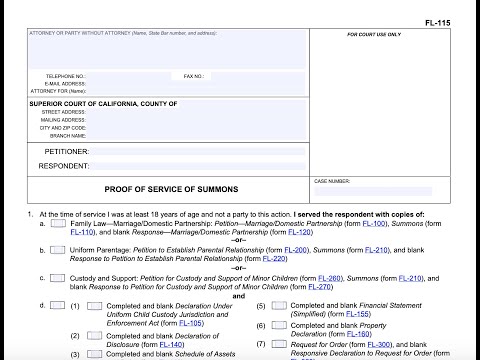
Now onto **proof of service**—this is super important! It’s basically a document that shows someone served those initial papers. The court wants proof that everyone involved got their copies and had their chance to respond. Without it, your case could hit some major bumps.
Different methods can be used for serving these documents:
- Personal Service: This means handing documents directly to the other party. It’s straightforward but can sometimes get awkward.
- Substituted Service: If personal service isn’t possible, you might leave it with another responsible adult at their home or workplace.
- Service by Mail: Some states allow serving by mailing the documents directly if both parties agree on it.
- Publication: In rare cases where you can’t find someone, courts may allow you to publish a notice in a newspaper.
Just a quick example: Let’s say John files for divorce from Mary and serves her with both the complaint and summons. He has someone hand those documents directly to her at work—that’s called personal service. Now he’ll need proof of that delivery; otherwise, Mary could claim she never saw those papers!
Also worth mentioning is how different states have various rules about all this stuff—some might require specific wording or additional forms when serving someone in family law cases.
Finally, if you’re ever feeling lost regarding these documents or processes don’t hesitate reaching out for help—you don’t have to navigate this stuff alone! Courts usually have self-help centers too if you’re looking for resources.
In family law disputes, having everything served correctly sets up clearer communication and ensures everyone gets their fair shot in court discussions so don’t underestimate its importance!
Understanding the Legal Status of a Certificate of Service: Is It a Legal Document?
Sure! Let’s break this down.
A **Certificate of Service** is basically a piece of paper that shows you’ve delivered legal documents to the right people. You might think of it as a receipt, but for legal stuff. So, if someone files a family law summons against you, they need to prove that you got the papers.
Now, is this Certificate a legal document in itself? Well, yeah—it is! Here’s the deal:
1. **What It Represents**
The Certificate of Service states that the required documents were served correctly. This is super important because in family law cases, everyone has to be on the same page about what’s happening.
2. **How It Works**
Imagine you get served with divorce papers at your work. The person delivering these papers must fill out a Certificate of Service after they’ve handed them to you or left them at your home. It includes details like when and where the documents were served.
3. **Legal Status**
You could think of it like this: without this certificate, it’s kinda like saying “I told him” without proof—no one believes it unless there’s something confirming it really happened! The Certificate shows the court that proper steps were taken.
4. **Importance in Court**
If there’s ever any dispute over whether someone was properly notified about a proceeding or hearing, this document can be called upon as evidence. If you’re not properly served, then you might not even have to show up!
5. **Local Rules Matter**
Keep in mind: rules for filing and serving documents can vary by state or even by county. Some places have specific requirements about how to prepare and submit a Certificate of Service.
To sum up, yes—a Certificate of Service is an important legal document within the context of family law summonses in the U.S. It ensures that everyone’s rights are respected and keeps everything above board as cases move forward.
So if you’re dealing with family law issues, make sure there’s one on file—it’s key for keeping things legit!
Understanding Proof of Service in Court: Essential Information and Legal Importance
Sure, let’s break down the whole “proof of service” thing when it comes to family law summons in the U.S. legal system. This might seem a bit intense at first, but I promise it’s pretty straightforward once you get into it.
So, proof of service is, like, super crucial in any court case. It basically proves that all the right people got all the necessary documents about a case. If you’re involved in family law—maybe dealing with divorce or custody issues—you really can’t skip this step.
What is Proof of Service?
It’s a legal document that shows that someone has officially delivered court papers to another party. This can include things like divorce petitions or custody orders. It ensures everyone knows what’s going on and gets their chance to respond, you know?
Here are some key points about proof of service:
Now, let’s say you’re going through a divorce. You’d file for divorce and have your spouse served with the summons and complaint. The person serving those documents needs to fill out a proof of service form afterward saying when and how they delivered those papers.
Why is Proof of Service Important?
Without proof of service, your case might hit some serious snags. A judge can’t proceed if they think one party didn’t get notified properly about what was happening in court. It’s all about fairness!
Imagine this: you show up for your court date thinking everything’s fine but then realize your ex didn’t get served correctly—what a mess! They could argue they didn’t know anything was going on and stall things even more.
Plus, if you don’t have proof of service documented correctly, courts might dismiss your case altogether or worse yet—force you to start over. And nobody wants that hassle!
So yeah, whether it’s for child support, custody arrangements, or even dividing property during a divorce—getting proof of service sorted out should be one of your top priorities if you’re heading into family law territory.
All in all, just remember: make sure there’s clear documentation showing everyone was properly notified about court proceedings. Keep everything above board; trust me—it’ll save you from headaches down the road!
Alright, so let’s chat about proof of service for family law summons in the U.S. It’s one of those things that might sound super formal and complicated, but really, it’s all about making sure everyone knows what’s going on in a legal case.
Imagine a friend of yours who’s going through a tough divorce. They’ve filed their papers but are stressing out because they’re not sure if their spouse has gotten the notice. That’s where proof of service comes into play. Basically, it’s like saying, “Hey! I let them know.”
In family law cases, you can’t just file your papers and hope the other person magically figures it out. No way! You gotta make sure they actually receive those documents. Proof of service is how you prove that you did your part so the court can move forward without any hiccups.
Now, this proof can come in different forms—like a signed paper from the person who delivered the documents or even certified mail receipts if you sent them through the post office. It’s all about showing that it happened because without that proof? The court might not go anywhere with your case. It could turn into a real mess.
Here’s another thing to think about: imagine trying to resolve child custody or support issues without everyone being on the same page. That would be chaotic! Proof of service helps avoid that chaos by keeping things transparent and ensuring both parties know what’s happening.
You may wonder if there are different rules based on where you live since family law isn’t exactly a one-size-fits-all deal across states. Yep! Each state has its own requirements for how to serve documents and what counts as adequate proof.
So yeah, next time you hear someone mention proof of service in family law, think about that friend going through their divorce again—or maybe it’ll be you someday? Just remember how important it is to keep everything above board in such personal matters. When everybody’s informed and involved? That just makes the whole process smoother for everyone involved.




