
The information provided in this article is intended solely for general informational and educational purposes related to U.S. laws and legal topics. It does not constitute legal advice, legal opinions, or professional legal services, and should not be considered a substitute for consultation with a qualified attorney or other licensed legal professional.
While efforts have been made to ensure the information is accurate and up to date, no guarantees are given—either express or implied—regarding its accuracy, completeness, timeliness, or suitability for any specific legal situation. Laws, regulations, and legal interpretations may change over time. Use of this information is at your own discretion.
It is strongly recommended to consult official sources such as the U.S. Government (USA.gov), United States Courts, or relevant state government and court websites before acting on any information contained on this website or article. Under no circumstances should professional legal advice be ignored or delayed due to content read here.
This content is of a general and informational nature only. It is not intended to replace individualized legal guidance or to establish an attorney-client relationship. The publication of this information does not imply any legal responsibility, guarantee, or obligation on the part of the author or this site.
Alright, let’s chat about something kind of interesting: proof serving. I know, sounds like legal mumbo jumbo, right? But stick with me here.
Imagine you’re on a jury. You’ve got this heavy responsibility to decide someone’s fate. It’s intense! And part of that gig is making sure all the evidence is legit and served correctly.
That’s where proof serving comes into play. It’s a crucial piece of the puzzle that helps ensure everything’s on the up and up. So, yeah, let’s break it down and see why it matters in the world of juries. You might find it more fascinating than you thought!
Understanding the Role of a Jury in the American Justice System: Functions, Responsibilities, and Impact
The role of a jury in the American justice system is super important. If you’ve ever watched a legal drama on TV, you probably have a general idea of what they do. But there’s way more to it than just the dramatic moments in the courtroom. Let’s break it down.
What is a Jury?
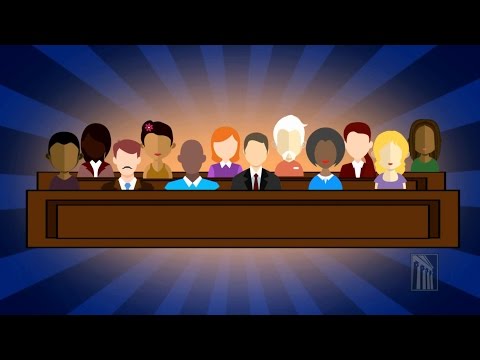
A jury is made up of regular citizens who are called upon to hear evidence in a legal case and then make a decision—or verdict—based on that evidence. It’s like being chosen for a really important group project, except, you know, people’s lives or rights are often hanging in the balance.
Functions of a Jury
Juries serve two main functions: they evaluate facts and apply the law. Basically, they listen to witnesses and look at evidence presented during the trial. Then, they have to decide if someone is guilty or innocent in criminal cases or liable or not liable in civil cases.
Responsibilities of Jurors
When you get picked as a juror, you can’t just sit back and chill. You have some serious responsibilities:
- Listen Carefully: You need to pay attention to everything—that means all the testimonies and exhibits.
- Deliberate: After hearing everything, juries discuss among themselves before coming up with a verdict.
- Decide Fairly: Keep your personal biases out of it! The decision should be based solely on what happens in court.
Sometimes it’s tough! I remember reading about this one juror who had personal experiences that made it hard for them to stay neutral about an emotional case. It really showed how crucial it is for jurors to set aside their feelings too make fair judgments.
The Impact of Juries
Juries play a huge role in shaping justice. Their decisions can change lives—people could face jail time or lose big sums of money based on what jurors decide. Plus, having ordinary citizens involved helps ensure that justice isn’t just handed down by judges alone; it reflects community values!
Also, *proof serving* links directly into this process because it’s about delivering court documents—like summonses—that inform people they’ve been called for jury duty. This ensures everyone has their chance to participate in this civic duty.
So when you’re summoned for jury duty, don’t roll your eyes just yet! It’s an opportunity to contribute directly to the system and ensure fairness prevails.
In essence, jurors are key players in the courtroom drama—their decisions can either uphold justice or allow injustice to slip through based on how well they perform their roles and responsibilities. It’s pretty powerful stuff when you think about it that way!
The Importance of Jury Duty: Upholding Justice and Civic Responsibility
Jury duty is one of those things that gets a mixed bag of reactions. Some folks see it as a pain, while others understand it as an essential part of our justice system. The thing is, when you get that jury summons in the mail, you’re not just being asked to sit around all day—you’re being called to serve your community and uphold justice.
Now, think about this: when you’re in a courtroom, you’ve got regular citizens just like you making decisions that can change someone’s life. That’s pretty powerful! Jurors listen to evidence, consider arguments from both sides, and then try to reach a fair verdict based on the facts presented. It’s like being part of a team where your vote matters.
Speaking of teams, Proof Serve plays a crucial role here. This organization helps ensure that the legal process runs smoothly by serving legal documents needed in various cases. They make sure jurors get the right information and can fulfill their duties effectively. Without them, things could get really messy and complicated.
So why does this matter? Well, think about justice for a second. Upholding justice means ensuring everyone has their day in court—that their case gets heard by impartial peers who are willing to listen and evaluate honestly. When jurors take their role seriously, they help maintain public trust in the legal system.
But let’s not forget civic responsibility! Serving on a jury is more than just going through the motions; it’s about participating in democracy at its finest. You’re helping decide what justice looks like for your community! It’s like being on the front lines of fairness—making sure everyone has a fighting chance.
You might be wondering how all this connects to everyday life. Picture this: You’re sitting in jury duty listening to a case about a neighborhood dispute or something more serious like theft or assault. Every piece of evidence matters—it builds up into the story you’re hearing, and ultimately shapes your decision as a juror.
And honestly? Serving on a jury can be eye-opening! You get an insider’s view of how laws are applied and how deliberations take place—it’s not just legal jargon; it’s real life unfolding right before you.
In summary, jury duty isn’t just about showing up; it’s about engaging with your community’s values and standing up for what is right. It allows you to play an essential role alongside organizations like Proof Serve who facilitate communication within the judicial process. So next time that summons arrives, remember: it’s not just an obligation—it’s an opportunity to contribute to something that matters deeply!
Understanding the Requirements for Jury Service in the United States
Sure thing! Let’s break down what you need to know about jury service in the United States and how proof serves get involved in the whole process.
What is Jury Service?
Jury service is a civic duty where citizens are called to make decisions in legal cases. You sit in a room with other jurors, listen to evidence, and then decide if someone is guilty or not guilty. It’s super important because it helps ensure fair trials.
Who Can Serve on a Jury?
Not everyone can just waltz into a courtroom and claim a seat on the jury. There are specific requirements you have to meet:
- Age: You must be at least 18 years old.
- Citizenship: You need to be a citizen of the United States.
- Residency: You should live in the jurisdiction where you’re summoned. So, if you get called in New York but live in California, that won’t fly.
- No Felony Convictions: If you’ve been convicted of a felony, some states might not allow you to serve unless your rights have been restored.
It’s pretty straightforward, right? But that’s just the basics.
The Summoning Process
So, how do you even get summoned? Well, courts usually pull names from voter registration lists or driver’s license databases. If your number comes up, you’ll get a notice telling you when and where to report for duty.
And don’t think you can dodge it! If you ignore the summons, there can be some serious consequences—fines or even contempt of court charges. Yikes!
The Role of Proof Serve
Here’s where proof serve comes into play: It’s kind of like making sure things run smoothly and everyone knows what’s happening. A “proof serve” refers to documents that show you’ve been officially notified about your jury duty. This could include the physical copy of your summons.
In many cases, if someone fails to appear for jury duty without proper proof of service that they didn’t receive their summon— like being sick or being out of town—it might create issues for both them and the court system as it messes with case timelines.
Sneaky Reasons People Might Get Excused
Sometimes people can’t serve for valid reasons—maybe they have health issues or serious personal matters going on. It helps if you let the court know ahead of time. They’ll usually ask for proof too—like doctor notes or something similar.
But here’s the kicker: Just showing up on jury day doesn’t guarantee you’ll end up serving on an actual trial jury. The attorneys involved might question potential jurors during “voir dire” (which means “to speak the truth” in French) before deciding who will sit on a case.
A Little Emotional Anecdote
I remember when my cousin got called for jury duty—it was her first time ever! She was super nervous about it but ended up loving the whole experience. She said it felt empowering to have her say count in deciding justice for someone else!
So there you go! That’s basically what jury service is all about in the U.S., along with why proof serves matter so much within this system. Remember, when you’re called up, it’s an important part of keeping our legal system fair and balanced!
So, let’s chat about proof of service and how it fits into the whole jury system in the U.S. It’s kind of a big deal, even though it might sound a bit boring at first. You know when you hear about someone being summoned for jury duty? Well, before that can even happen, someone has to make sure all the legal documents get where they need to go. That’s where proof of service comes in.
Think about it like this: imagine your buddy calls you up one day and says, “Hey, I need you to come over and help me move this weekend.” If they don’t actually tell you, how would you know? Same with courts. They need to know that everyone involved knows what’s going on legally.
Proof of service is just a fancy way of saying, “Hey, we made sure everyone got their paperwork.” This could be anything from notifying someone they’re being sued to letting them know they’ve got jury duty. It’s essential because if a person isn’t properly notified, any court decisions can be challenged later. And that can mess things up big time!
I remember hearing a story about a guy named Tom who thought he could ignore his court summons. He thought maybe if he didn’t respond, it’d just go away. But because there was proof of service showing he was notified properly, he couldn’t escape it! He ended up missing out on helping with an important case and found himself explaining things to his boss instead.
The thing is, when you think about jury duty or any legal proceeding, there’s this expectation that everyone plays by the rules. Without proof of service ensuring folks are properly informed, the system could totally fall apart! It gives everyone in the courtroom some peace of mind; everyone gets their chance to participate (or not) based on good info.
And honestly, it’s not just about being served papers; it’s also about fairness. The whole idea is rooted in making sure everyone has their shot at justice without sneaky surprises or feeling blindsided. So yeah—proof of service might seem like just another step in a complicated process but really? It’s central for keeping everything running smoothly in our jury system!




