
The information provided in this article is intended solely for general informational and educational purposes related to U.S. laws and legal topics. It does not constitute legal advice, legal opinions, or professional legal services, and should not be considered a substitute for consultation with a qualified attorney or other licensed legal professional.
While efforts have been made to ensure the information is accurate and up to date, no guarantees are given—either express or implied—regarding its accuracy, completeness, timeliness, or suitability for any specific legal situation. Laws, regulations, and legal interpretations may change over time. Use of this information is at your own discretion.
It is strongly recommended to consult official sources such as the U.S. Government (USA.gov), United States Courts, or relevant state government and court websites before acting on any information contained on this website or article. Under no circumstances should professional legal advice be ignored or delayed due to content read here.
This content is of a general and informational nature only. It is not intended to replace individualized legal guidance or to establish an attorney-client relationship. The publication of this information does not imply any legal responsibility, guarantee, or obligation on the part of the author or this site.
So, let’s chat about this thing called “provisions law” in the American legal system. Sounds kinda heavy, right? But hang on! It’s actually super relevant to how our courts and juries work.
You know when you hear those wild stories about courtroom drama? Well, there’s a whole set of rules behind the scenes. Provisions law plays a big role in shaping what happens during trials and how juries make decisions.
It’s all about making sure things are fair and square. Imagine being a juror—your job isn’t just to listen but to get it right. And provisions law helps guide that process so you can do just that.
Pretty cool stuff if you ask me! Let’s dig into it together and see how these laws really affect the courtroom action. You with me?
The Role of a Jury in the American Legal System: Function, Responsibilities, and Impact
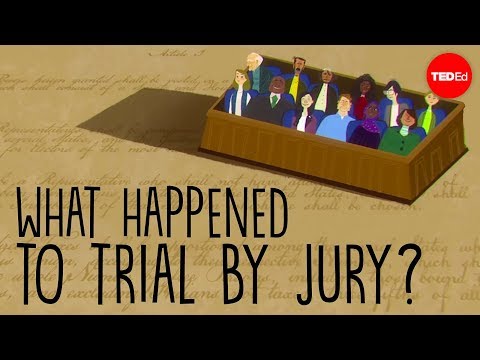
The role of a jury in the American legal system is super important. It’s like the beating heart of justice, where everyday people get to weigh in on serious matters. Think of juries as a group of regular folks, brought together to decide if someone did something wrong or not.
What Does a Jury Do?
Basically, a jury listens to evidence in court and makes decisions based on that. You usually hear about this in criminal cases where someone is accused of a crime, but juries also pop up in civil cases—like when two parties are arguing over money or property.
Responsibilities of the Jury
Juries have some big responsibilities. Here are a few key ones:
Now, let’s take an example. Imagine you’re sitting on a jury for a theft case. You’re going to listen carefully as both sides present their arguments and evidence, right? Then you and your fellow jurors will talk it out—maybe you see things differently than the person next to you! But you aim for one clear decision that reflects what you’ve all agreed upon.
The Impact of Juries
The impact can’t be understated. When juries make decisions, they help uphold the rule of law and ensure that justice is served fairly. Think about it: having your peers decide your fate instead of just one judge means there’s more balance involved.
Also, jury duty can help keep the legal system grounded. It’s easy for laws to get too far from reality if only legal professionals are making all the calls. With regular people sitting on juries, there’s a chance for community values and common sense to play into important legal decisions.
The Right to a Jury Trial
In fact, the U.S. Constitution guarantees this right under the Sixth Amendment for criminal prosecutions and the Seventh Amendment for civil cases. It basically says you have the right to be judged by your peers if you’re accused of something serious.
In summary, understanding how juries work gives you insight into how justice operates in America. They’re not just random groups; they’re an essential part of making sure fairness reigns supreme in our courts! So next time you hear about a jury trial on TV or elsewhere, remember how much weight those folks carry—they’re shaping lives with their decisions every day!
Understanding Constitutional Provisions for Jury Trials in Criminal Cases
Alright, let’s break down the Constitutional provisions for jury trials in criminal cases. It’s actually a big deal in the American legal system. The Sixth Amendment is the star of this show, and it guarantees some essential rights when you’re facing criminal charges.
First up, the right to a speedy and public trial. You don’t want your case dragging on forever, right? The Constitution makes sure that you’re not left hanging in legal limbo. This keeps things fair and helps people see what’s really happening in court.
Next, there’s the right to an impartial jury. Basically, it means that you have the right to be judged by folks who aren’t biased against you. Imagine someone sitting on your jury just waiting to send you away because they think you’re guilty before even hearing the evidence! Not cool.
The Amendment also says your jury has to be made up of peers from where the crime occurred. That means if you’re tried in a small town, your jurors should be people from that area. It keeps things relevant—like, they understand what’s going on locally.
Another critical point? The size of juries. Most criminal trials use juries of 12 people. This isn’t just tradition; it helps ensure that there’s enough diversity in decision-making. A larger group tends to produce more thorough discussions about the evidence presented.
The standard for reaching a verdict is also defined here—it’s “beyond a reasonable doubt.” This sounds all lawyer-y, but basically, it means if there’s any reasonable uncertainty about your guilt, then they shouldn’t convict you. That puts the burden on the prosecution to prove their case pretty strongly.
If we look at case law for examples: one notable case is Duncan v. Louisiana. This decision made it clear that even state courts must provide jury trials for serious offenses. Before this case came along, some states didn’t think they had to offer juries for serious crimes – wild right?
A little anecdote here… Imagine being accused of something you didn’t do and having no chance at a jury trial – how gut-wrenching would that be? You’d want your day in court with regular folks weighing in on what’s fair and right!
In short, these constitutional provisions help ensure fairness when someone faces serious accusations. With these guarantees like speedy trials, impartial juries made up of local peers, and a strong standard for conviction, we can see how critical they are for protecting individual rights in our justice system.
The bottom line: understanding these provisions isn’t just legal mumbo-jumbo—it’s about safeguarding our liberty!
An In-Depth Look at the Current Jury System in the United States: Structure, Challenges, and Impact
The jury system in the United States holds a significant place in our legal framework, serving as a critical mechanism for ensuring justice. It’s like this cornerstone that goes back to the very foundations of our country. So, let’s take a closer look at how it’s structured, the challenges it faces, and its overall impact.
Structure of the Jury System
At its core, the American jury system is built around two main types of juries: grand juries and petit juries. Grand juries usually decide whether there’s enough evidence to indict someone. They consist of 16 to 23 people. In contrast, petit juries are what you see in courtrooms during criminal and civil trials. A typical petit jury has 6 to 12 members who determine guilt or liability.
And here’s something interesting: not all states require juries for every case. Some minor offenses can be decided by judges alone. Still, for significant criminal cases and most civil disputes, you have that jury right—a fundamental aspect of your legal rights.
Challenges Facing the Jury System
Now, let’s get real about some challenges that pop up with this system. One major issue is jury selection. Picking jurors can often be like trying to find a needle in a haystack. Lawyers want people who are unbiased but also sympathetic to their case, which can make things pretty messy.
Another challenge is juror understanding. You’ve gotta remember that not everyone knows all the legal jargon or complex evidence being thrown around in court. Some jurors might feel overwhelmed or confused by what they’re supposed to do, which could lead them to make wrong decisions.
Then there’s the demographics issue. Many argue that juries don’t always represent a fair cross-section of society. This lack of diversity can influence verdicts and perceptions of justice across different communities.
The Impact of Juries on Justice
Despite these challenges, juries play an essential role in maintaining checks and balances within our legal system. They help ensure that decisions aren’t made by just one person—a judge—who might have biases or particular beliefs affecting their judgment.
Take the landmark case of Brown v. Board of Education back in 1954; public sentiment shifted significantly thanks to jury-driven discussions about segregation laws and civil rights issues at large. The collective voice from these panels often influences broader societal changes beyond just individual cases.
Also, when people participate as jurors, they gain firsthand insight into how laws work and why they matter—a powerful experience! That involvement fosters civic duty and encourages people to engage with important social issues.
So yeah, while there are serious challenges facing our jury system today—from selection bias to comprehension issues—the impact it has on justice cannot be overstated. At its best, it’s an embodiment of democratic principles at work; ensuring fairness through community participation while backing up those essential rights we hold dear as Americans!
So, provisions law, huh? It’s one of those parts of the legal system that doesn’t get as much spotlight as, say, criminal cases or juicy civil disputes. But it plays a pretty critical role in how everything works. Basically, provisions are legal rules or arrangements that help guide the way laws are applied or enforced.
Imagine you’re on a jury. You’re sitting there listening to all these details about a case—witnesses, evidence, and arguments flying around. And then you realize that certain legal provisions are what keeps the whole process fair and grounded. They’re the framework that ensures everyone gets a fair shot.
Take that time my buddy Mark got called for jury duty. He was super nervous but also kind of excited. He had this vision of what jury duty would be like—intense deliberation sessions and big moral decisions. As he sat through the trial, he noticed how important provisions laws were in guiding every decision the attorneys made. They dictated whether certain evidence could be presented or whether specific defenses were permissible.
And here’s where it gets interesting: those provisions aren’t just some dry text in a book; they’re living rules that directly affect people’s lives and rights. If a provision states something can be done or not done in court, it can shape outcomes dramatically. It gives power to either party involved—prosecutors or defendants—and helps ensure justice is served appropriately.
But let’s not forget about how this ties into the jury itself! Jurors have to understand these provisions to adequately weigh their decisions. If they don’t grasp what’s allowed under the law, they could unintentionally end up swaying their verdicts based on misunderstanding instead of actual facts.
On top of all this, there’s an emotional layer too. When you’re part of such an impactful process like jury duty, you’re actually contributing to someone’s life story! Like Mark realized when he walked out after his day in court; it felt heavy but rewarding at the same time—like he’d really done something meaningful.
So yeah, while provisions law might seem like just another bureaucratic term from far away land called “the courtroom,” it’s truly pivotal in guiding jurors and ensuring everyone involved gets treated fairly—even if it isn’t always glamorous! That’s what makes our legal system tick; not just rules on paper but real-life implications for real people out here living their lives.




