
The information provided in this article is intended solely for general informational and educational purposes related to U.S. laws and legal topics. It does not constitute legal advice, legal opinions, or professional legal services, and should not be considered a substitute for consultation with a qualified attorney or other licensed legal professional.
While efforts have been made to ensure the information is accurate and up to date, no guarantees are given—either express or implied—regarding its accuracy, completeness, timeliness, or suitability for any specific legal situation. Laws, regulations, and legal interpretations may change over time. Use of this information is at your own discretion.
It is strongly recommended to consult official sources such as the U.S. Government (USA.gov), United States Courts, or relevant state government and court websites before acting on any information contained on this website or article. Under no circumstances should professional legal advice be ignored or delayed due to content read here.
This content is of a general and informational nature only. It is not intended to replace individualized legal guidance or to establish an attorney-client relationship. The publication of this information does not imply any legal responsibility, guarantee, or obligation on the part of the author or this site.
So, let’s say you’re cruising down the street on a sunny day. You’re feeling good, music’s blasting, and then—boom! Outta nowhere, someone darts in front of your car. It’s a close call, right? You might start thinking about what just happened and who was at fault.
That’s where things get tricky. You see, in U.S. law, there’s this thing called pure contributory negligence. Sounds fancy? It kinda is, but it can really mess up how liability works if you’re involved in an accident.
Imagine this: you slipped on a wet floor because someone didn’t put up a sign while you were checking your phone. If they blame you for being distracted, could that affect your case?
We’re diving into that today! Let’s break it down and make sense of how pure contributory negligence might just change everything when it comes to legal claims.
Understanding Comparative Negligence: Key Principles and Legal Implications
So, let’s talk about comparative negligence. It’s a pretty important concept in personal injury cases and can really affect how things play out in court. Basically, it’s all about figuring out who messed up and how much each person’s mistake contributed to the accident.
Now, here’s where it gets a bit tricky. There are different types of comparative negligence systems out there in the U.S.: some are “pure” while others are “modified.” Under a traditional pure comparative negligence system, you can still recover damages even if you were mostly at fault. Let’s say you were 80% responsible for a fender bender; you could still get 20% of your damages covered. That sounds fair, right?
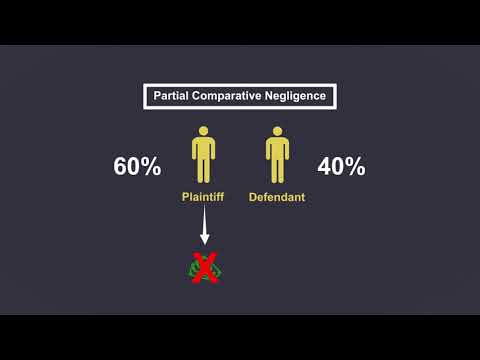
But then there’s the modified version. In this case, if you’re found to be more than 50% at fault, you can’t recover anything. So if you’re part of that 51% crowd, tough luck! You walk away empty-handed.
Now imagine this: You’re crossing the street and not paying attention. A driver speeds through a yellow light and hits you. Maybe you’re found to be 30% responsible for not looking before crossing. If your medical bills are $10,000 and your state follows pure comparative negligence rules, you’ll get back $7,000 – that’s your damages minus the percentage you’re at fault (30%).
On the flip side, in a modified comparative negligence state with a 50% threshold: If you’re also found to be more than half at fault—the driver was speeding but you weren’t cautious—you might be left with nothing for those medical bills.
When we’re talking about legal implications here—well, they can shift pretty dramatically based on where you live! States like California use pure comparative negligence laws, while others like Alabama lean towards strict contributory negligence rules that say if you’re even slightly at fault—you lose everything! That’s harsh!
So what does this mean practically? Well, when filing a claim or defending against one, understanding how comparative negligence works is absolutely crucial. The insurance companies love these details because they help determine settlement amounts too.
In summary:
- Pure Comparative Negligence: Recover damages no matter your fault level.
- Modified Comparative Negligence: Recover only if your fault doesn’t exceed certain limits.
- State Differences Matter: Laws can vary widely from one place to another.
So yeah, knowing whether you’re in a pure or modified state can seriously change your approach when dealing with accidents and insurance claims—not something to overlook!
Understanding Contributory Negligence: Key Examples and Implications in Personal Injury Law
Sure thing! Let’s talk about contributory negligence and what it means in personal injury law. This concept can be a bit tricky, but I’ll break it down for you.
What is Contributory Negligence?
So, contributory negligence is when someone’s own negligence contributes to the accident that caused their injuries. It’s like if you were crossing the street while looking at your phone and didn’t see a car coming. If that car hits you, but you weren’t paying attention, your actions could be seen as contributing to the accident.
Now, here’s where it gets interesting: in some states, if you’re found even a little bit at fault for the accident, you might not be able to recover any damages. Yep, zero bucks! That’s called pure contributory negligence, and only a handful of states follow this rule.
Key Examples of Contributory Negligence
Let’s say you’re at a store and slip on a wet floor that wasn’t marked with caution signs. You can probably sue for those nasty injuries. But if it turns out you were running instead of walking carefully, the store might argue that your speed contributed to your fall. If the court agrees, bam—your case could go right down the drain.
Or picture this: You’re riding a motorcycle without wearing a helmet (which we all know is just asking for trouble). If you get into an accident and suffer serious head injuries, the other driver might face liability too. But they could argue that your lack of helmet contributed to how bad those injuries were. Again, if you’re found even partly at fault in a pure contributory negligence state, you walk away empty-handed.
The Implications
The whole idea behind this rule is to encourage people to act responsibly and avoid taking unnecessary risks. But honestly? It can seem really unfair sometimes. Imagine being hit by someone else’s car because they ran a red light—but since you weren’t wearing your seatbelt (which everyone knows is super important), you can’t claim damages!
That said, many states have moved on from strict contributory negligence rules and adopted something called comparative negligence. This means they consider both sides’ faults when determining damages—so maybe you’ll get some money after all!
Why It Matters
Understanding how contributory negligence works is crucial if you’ve been injured or are thinking about filing a lawsuit. Knowing whether you’re in one of those pure contributory states can make or break your case.
In short? When it comes down to personal injury claims involving contributory negligence laws, every little detail counts! So being cautious isn’t just smart—it could mean the difference between getting compensation or hitting rock bottom with nothing.
So there ya have it! That’s contributory negligence in a nutshell—it’s all about responsibility on both sides and how much each party contributed to an accident. Keep this info handy; it might come up when you least expect it!
Understanding Contributory Negligence: Definition and Legal Implications
Sure! Let’s break down contributory negligence in a way that’s pretty easy to chew on.
What Is Contributory Negligence?
Okay, so contributory negligence is a legal term that basically means if you’re partially at fault for your own injury, you might not be able to recover any damages. It’s like a “you snooze, you lose” situation. If you’re even one percent responsible, some states say “no payout for you!”
How Does It Work?
Here’s the deal: Imagine you’re crossing the street when it’s dark and wearing all black. You didn’t look both ways because you were too busy checking your phone. A driver doesn’t see you and hits you. In a contributory negligence state, if the court finds that your lack of caution contributed to the accident—even a little—you could be denied any compensation for injuries.
- States with Contributory Negligence: Only a handful of states still use this rule. Places like Virginia, North Carolina, Alabama, and D.C..
- The Risk: Let’s say you get into an accident with someone speeding through a red light. You weren’t using your turn signal; they could argue that contributed to the crash.
- The Outcome: If you’re found even slightly at fault, don’t expect to see any cash for those medical bills.
The Emotional Side:
Now think about this: Picture yourself in that situation—injured and dealing with hospital bills while also realizing that because of something as small as not signaling, you’re stuck paying for it all. It can feel really unfair, right? This is why many people think this system needs some serious tweaking.
Alternatives Exist:
Most states have moved on to what we call “comparative negligence.” That means if you’re partially at fault, you might still get some damages based on how much of the blame falls on you. For instance, if you’re 25% at fault and the total damages are $100,000, you’d only lose out on $25k. Much better!
A Final Thought:
So there it is—contributory negligence can really throw a wrench in things after an accident. It’s like walking a tightrope; one tiny slip could mean no safety net when you’ve already fallen! If you’re ever tangled up in something like this or just want more info about your rights after an accident, it might help to chat with someone who knows their stuff legally speaking—just saying!
So, let’s chat about this concept called pure contributory negligence. It’s one of those legal terms that sounds super fancy but boils down to a pretty straightforward idea in the realm of personal injury cases.
Basically, pure contributory negligence means that if you were even a little bit at fault for your own injuries, you might not get any compensation at all. Yeah, it’s harsh! Let’s say you’re in an accident; if it turns out you were, I don’t know, texting while crossing the street and also got hit by a car that ran a red light? Well, depending on where you live—because not all states follow this rule—you could be left empty-handed because you played a role in your own mishap.
I remember hearing about this case where someone slipped and fell in a grocery store. They had this awesome video showing the whole incident—the store was messy, and honestly, it looked slippery as ice! But then they found out that the person was also wearing flip-flops when it happened. The court ended up siding with the grocery store because they decided that wearing inappropriate footwear contributed to their fall. That’s just how strict contributory negligence can be!
Isn’t it wild how small actions can completely affect outcomes? It makes you think twice about being careful in everyday situations. In some states like Virginia and Alabama, if you’re even 1% responsible for what happened to you, it’s game over for your chance at recovering damages. On the flip side, other places use something called comparative negligence instead—it seems way fairer since they allow you to receive some compensation based on your share of fault.
Understanding all of this isn’t just for lawyers or judges. It really affects real people like you and me when we go about our daily lives. Knowing how contributory negligence works can help us be safer and more aware of our surroundings—because seriously, nobody wants to miss out on getting help after an accident just because of a little slip-up on their part!




