
The information provided in this article is intended solely for general informational and educational purposes related to U.S. laws and legal topics. It does not constitute legal advice, legal opinions, or professional legal services, and should not be considered a substitute for consultation with a qualified attorney or other licensed legal professional.
While efforts have been made to ensure the information is accurate and up to date, no guarantees are given—either express or implied—regarding its accuracy, completeness, timeliness, or suitability for any specific legal situation. Laws, regulations, and legal interpretations may change over time. Use of this information is at your own discretion.
It is strongly recommended to consult official sources such as the U.S. Government (USA.gov), United States Courts, or relevant state government and court websites before acting on any information contained on this website or article. Under no circumstances should professional legal advice be ignored or delayed due to content read here.
This content is of a general and informational nature only. It is not intended to replace individualized legal guidance or to establish an attorney-client relationship. The publication of this information does not imply any legal responsibility, guarantee, or obligation on the part of the author or this site.
Eviction notices, huh? They’re a pretty intense topic. I mean, nobody really wants to think about getting kicked out of their home. But the thing is, they’re part of the legal world we live in.
You might have seen one before or heard stories about them. They come with a lot of emotions attached—stress, frustration, fear. It’s wild!
But these notices aren’t just pieces of paper; they’re part of American law. They have real meaning and consequences. So let’s break down what they are, why they matter, and how they fit into the bigger picture of our legal system. Sound good?
Understanding Eviction Laws: Your Guide to Tenant Rights and Landlord Responsibilities
Eviction can feel pretty overwhelming, whether you’re a tenant or a landlord. So, let’s break it down. The law around evictions is meant to balance the rights of tenants with the rights of landlords. The **key** point here is that both sides have responsibilities.
First off, what’s an eviction notice? Well, it’s basically the official way for a landlord to tell a tenant that they need to move out. But there are some rules about how this all goes down.
Types of Eviction Notices
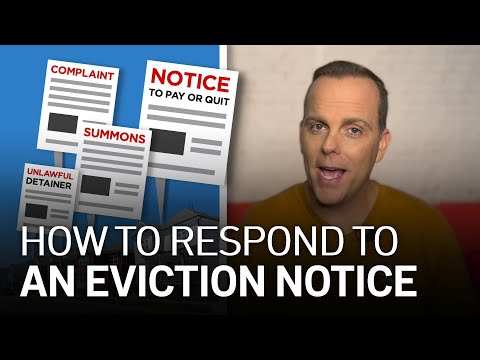
- Pay Rent or Quit: This notice is used if you haven’t paid your rent. Usually, you’ll get a few days to pay up before facing eviction.
- Notice to Cure or Quit: If you break your lease agreement—like having too many pets—you may get this notice giving you time to fix the issue.
- Unconditional Quit Notice: This one is serious. It tells you to leave without any chance of fixing things. It’s often used for repeated violations or serious problems like illegal activities.
The next thing that’s super important? The timing and method of delivering these notices can vary by state. A lot of places require them to be in writing and sometimes served in person or sent by mail. Just be aware; not doing this properly can mess up a landlord’s case later on.
Your Rights as a Tenant
So, what are your rights? You have a few key protections:
- You have the right to receive proper notice before being evicted.
- You have the right to contest an eviction in court if you believe it’s unfair.
- You can’t be evicted for discriminatory reasons—like race, gender, or disability.
Let me tell you about my friend Jamie. She got an eviction notice because her landlord claimed she hadn’t paid rent on time but was wrong! Jamie kept all her receipts and showed them in court, which helped her win the case and stay in her home.
Landlord Responsibilities
Now what about landlords? They can’t just kick someone out whenever they feel like it! They must follow legal procedures and treat their tenants fairly.
- If they’re claiming non-payment, they should keep accurate records proving that rent was due.
- The property should meet local health and safety codes; no one wants moldy walls or broken heaters!
If landlords skip these steps, they risk losing their cases in court. It’s pretty much like playing by the rules in anything else—if they don’t do it right, things could backfire.
Remember when facing eviction: it’s not just about packing your bags and leaving when someone tells you to go—there are laws protecting you! Both parties need to communicate clearly and follow legal guidelines so everyone knows where they stand.
In short, eviction laws are there for both sides. You’ve got rights as a tenant, while landlords also need to hold up their end of the deal. If you’re ever unsure about what’s going on with an eviction notice—whether it’s yours or someone else’s—it’s always good idea to reach out for help from local housing authorities or legal resources because navigating this stuff can be tricky.
Understanding the Different Types of Legal Notices: A Comprehensive Guide
When it comes to legal notices, especially in the realm of real estate and evictions, understanding the different types can really make a difference. You know, it’s sort of like knowing the rules of a game before you play. If you’re in a situation where you might face an eviction notice or have to serve one, it’s crucial to know what each type means—and what your rights are.
Eviction Notices are formal documents landlords use to terminate a rental agreement. They vary by state, but they all essentially serve the same purpose: informing a tenant that they need to vacate the property. Here’s where it gets interesting—there are several types of eviction notices.
- Pay Rent or Quit Notice: This is what you’ll see if a tenant fails to pay rent on time. It usually gives them a short window—like three to five days—to either cough up what they owe or pack their bags.
- Cure or Quit Notice: This one tells tenants they’ve violated some part of their lease other than nonpayment. For instance, maybe they have pets when pets are not allowed. They’ll get a specified time frame to fix the issue—or else.
- Unconditional Quit Notice: This is the big one! It demands that tenants leave immediately without any chance for fixing things up first. You often see this for repeated serious violations, like illegal activities on the property.
- No Fault Eviction Notice: Sometimes landlords want to end tenancy without any wrongdoing from the tenant’s side—like wanting to sell the property or move in themselves. This notice usually provides more time for tenants since there hasn’t been any fault on their part.
Now, let’s talk about something super important: the legal requirements. Each state has specific laws dictating how these notices should be written and delivered. For example, in some places, you have to send them via certified mail, or maybe even hand-deliver them personally (which can feel super awkward).
So imagine this scenario: Let’s say you’re renting an apartment and your landlord hands you a Pay Rent or Quit notice because you’re late with your payment—who wouldn’t feel stressed? Well, if it wasn’t properly delivered according to state law—like not giving it in person or not sending it with enough lead time—they might not be able to proceed with eviction!
And get this: if you’re ever served an eviction notice and you’re confused about whether it’s valid or not—you can challenge it! But here’s a heads-up; there are deadlines for how long you have after receiving that notice before things move forward.
In short, knowing your rights and understanding these different types of eviction notices can empower you during potentially tough times. It’s like having your own personal shield; it’s always helpful when navigating through legal waters!
Understanding Actual Eviction: Key Definitions and Legal Implications
Understanding actual eviction can seem pretty overwhelming, but breaking it down makes it easier. So, what is actual eviction? It’s when a landlord physically removes a tenant from the rental property. That’s the simplest way to put it. You might have heard about this in movies or seen posts online, but here’s the real deal.
Key Definitions
First off, let’s clarify a few terms you might bump into:
Now, let’s talk about that eviction notice bit. Landlords can’t just show up one day with muscle and force you out. They typically need to provide written notice first – kind of like saying, “Hey, we need to chat about your rent,” or “You broke our lease agreement.”
The Legal Process
Here’s where it gets interesting: if you’re served an eviction notice and things don’t change (like paying rent or fixing lease violations), the landlord may file for eviction in court. The court will give both sides – you and the landlord – a chance to present your case.
If a judge decides in favor of the landlord and orders an actual eviction, you’ll be given some time to vacate the premises. If you don’t leave voluntarily, then law enforcement may step in to help with the physical removal.
But here’s something crucial: you have rights! Just because an eviction notice comes your way doesn’t mean you’re automatically out on your ear. You may have defenses that could work in your favor—maybe there was improper notice or repairs weren’t made like promised.
Emotional Anecdote
Let me tell ya about my buddy Mark. He got hit with an eviction notice because he missed rent once after losing his job. He panicked! But after some research and chatting with legal aid folks, he found out he had more time than he thought and even caught up on his payments before moving out peacefully.
It’s super important for anyone facing this situation to stay calm and get informed… Seriously! Ignoring those notices won’t help—trust me!
The Bottom Line
Understanding actual eviction means knowing your rights as a tenant (yes, *you* have them!). If served with an eviction notice:
So if crap hits the fan with an eviction coming your way, take a deep breath! Know what actual eviction is all about so you can take action rather than just feeling helpless.
Eviction notices, man, they can really shake things up. When you think about it, these little pieces of paper pack a serious punch. They’re basically a way for landlords to tell tenants it’s time to hit the road. But behind that simple message lies a whole world of law and rights—like, seriously.
Let me tell you a quick story. A friend of mine named Jake was renting this cozy apartment in the city. He was doing fine until he lost his job unexpectedly. It was tough for him to keep up with rent. One day, he came home and found an eviction notice taped to his door. His heart dropped like a rock! He didn’t know much about eviction laws at the time; he just panicked.
See, in America, eviction notices aren’t just handed over willy-nilly; they have specific requirements and processes that landlords have to follow. Most states require them to give you written notice before filing any court action against you. That means landlords need to inform tenants of their failure to pay rent or any lease violations before they can start evicting someone legally.
But here’s the catch: each state has its own rules on how long that notice must be and what it needs to include. Some places might require just three days’ notice for unpaid rent; others could be as long as 30 days! If landlords don’t follow these rules, tenants can often fight back in court—like Jake eventually did after he figured out what was happening.
It’s kind of wild when you think about it—the system’s there to protect both sides. Sure, if someone’s not paying rent or breaking lease terms consistently, property owners should have a way to protect their investment. But on the flip side, tenants also have rights against wrongful evictions.
So yeah, if you ever find yourself facing an eviction notice—or know someone who is—remember that it’s not necessarily the end of the road (or your home). The law exists as a buffer against unfair treatment and gives everyone a fair shake at understanding their rights and responsibilities.
Just thinking about how those notices work makes me feel for people going through tough times—like my buddy Jake did—but at least there are protections out there. So when dealing with something as heavy as an eviction notice, knowledge really is power!




