
The information provided in this article is intended solely for general informational and educational purposes related to U.S. laws and legal topics. It does not constitute legal advice, legal opinions, or professional legal services, and should not be considered a substitute for consultation with a qualified attorney or other licensed legal professional.
While efforts have been made to ensure the information is accurate and up to date, no guarantees are given—either express or implied—regarding its accuracy, completeness, timeliness, or suitability for any specific legal situation. Laws, regulations, and legal interpretations may change over time. Use of this information is at your own discretion.
It is strongly recommended to consult official sources such as the U.S. Government (USA.gov), United States Courts, or relevant state government and court websites before acting on any information contained on this website or article. Under no circumstances should professional legal advice be ignored or delayed due to content read here.
This content is of a general and informational nature only. It is not intended to replace individualized legal guidance or to establish an attorney-client relationship. The publication of this information does not imply any legal responsibility, guarantee, or obligation on the part of the author or this site.
You know those moments when you’re just driving, minding your own business? And then, bam! You get a ticket in the mail weeks later for running a red light? Super annoying, right?
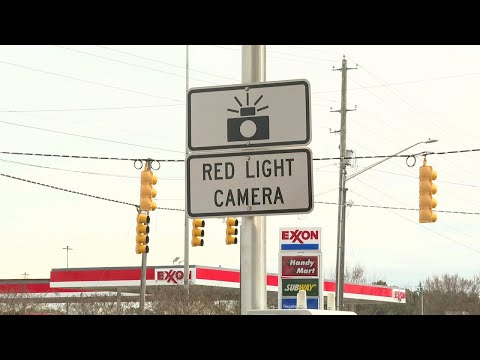
Well, red light cameras are becoming more common across the U.S. But what’s the deal with those tickets? They can hit your wallet harder than you expect!
Let’s break down the costs associated with these pesky tickets. You might be surprised by what you find out. Ready to tackle this together?
Understanding Red Light Ticket Costs in the US: Fines, Variations, and Legal Considerations
So, you just got a red light ticket from one of those cameras, huh? It happens to the best of us. Let’s break down what you might be facing in terms of costs, variations, and any legal stuff you should keep in mind.
First off, the **costs of red light tickets** can vary quite a bit from state to state. In some places, you might be looking at a fine of around $50 to $100 for your first offense. But don’t get too comfy; in other states or cities, it could soar to $200 or even more. That’s why it’s super important to grasp the specific rules where you live.
Here are some key points to consider:
- State Variations: Each state sets its own fines and penalties. For instance, California might have higher fines than Texas.
- Location Matters: Even within a state, different cities can have different amounts for red light violations.
- First vs. Repeat Offenses: Your first ticket is usually cheaper than subsequent ones. If you keep getting caught, those fines can escalate quickly.
- Add-On Fees: Some states hit you with extra fees like court costs or administrative fees—so your initial fine isn’t the whole story.
So let’s talk **legal considerations** now. You may be wondering if you can fight that ticket at all. The good news is that yes, sometimes you can! Depending on local laws:
– You might have options like requesting a hearing or contesting by mail.
– If there’s any evidence (like poor signage or malfunctioning equipment), it could help your case.
An emotional anecdote here: I remember my buddy getting one of these tickets after running what he thought was a yellow light—turns out his timing was just slightly off! He felt awful because he knew he’d have to pay up and deal with the hassle of potentially fighting it.
Now let’s not forget about **traffic school**! In some areas, taking a defensive driving course might help reduce your fine or even keep points off your record. So again, check if that’s an option for you after receiving that ticket.
In summary, understanding the costs associated with red light tickets in the U.S. involves recognizing how they vary based on location and circumstance. Whether you’re facing that hefty fee or thinking about contesting it in court, knowing what you’re up against is half the battle!
Negotiating Traffic Lawyer Fees: A Guide to Understanding Your Options
Negotiating traffic lawyer fees can feel a bit overwhelming, but with the right info, you can navigate it like a pro. Red light camera tickets, for instance, can lead to hefty fines and potentially higher insurance rates. So, if you’re considering hiring a lawyer to help fight those pesky tickets, understanding your options is super important.
First off, know that lawyer fees can vary widely based on location, experience, and the specifics of your case. You might encounter flat fees or hourly rates. A flat fee means you pay a set amount for the whole service—often easier to budget for. On the other hand, hourly rates can rack up quickly if things drag on longer than expected.
Now let’s look at some common fee structures you might come across when dealing with traffic lawyers:
- Flat Fees: This is where you pay a predetermined amount for your case. It could be anywhere from a couple hundred to over a thousand bucks depending on where you are.
- Hourly Rates: Some lawyers charge by the hour. Rates can range from $100 to $400 an hour or more in some big cities. Keep an eye on the clock!
- Consultation Fees: Many lawyers offer a free initial consultation to discuss your case, but others might charge for their time upfront.
Let’s say you’re slapped with a red light ticket costing $200. Now imagine hiring a lawyer who charges $250 flat just to handle that ticket. Is it worth it? Maybe! If there’s good reason to believe you could contest it successfully and avoid points or increased insurance rates in the long run, then it might save you money down the line!
You should also remember that negotiating is totally on the table! Once you’ve found potential lawyers—maybe even snagged those consultations—don’t hesitate to ask about their fee structures directly. You could even bring up competing quotes you’ve received from other lawyers as leverage during those talks.
And hey, always clarify what services are included in those fees. Are they just there for court representation? Will they prepare all necessary documents? Knowing this helps avoid surprises later on.
Sometimes lawyers offer payment plans too; don’t shy away from asking! If you’re in a tight spot financially, spreading payments out over time could make hiring legal help more manageable.
Lastly, keep in mind that not all cases need legal representation; you might be able to fight that ticket yourself without too much hassle depending on your situation or local laws. Just do your homework!
So yeah, get informed about what’s standard in your area and make sure any agreement feels fair and clear before getting locked into anything with a lawyer. Don’t panic about negotiating—it’s part of doing business!
Understanding the Obligation to Pay Camera Speeding Tickets: Legal Insights and Implications
So, let’s chat about the whole camera speeding tickets deal and what it really means for you. If you’ve ever zipped past a red light or gone a bit too fast and ended up with a flashy ticket in the mail, you’re not alone. These tickets are becoming more common thanks to automated cameras keeping an eye on our roads. But what’s the scoop on paying them?
First off, these tickets can hit your wallet pretty hard. The cost of a red light camera ticket usually varies by state and sometimes even by city. In some places, it might be around $50 to $200. Yup, that can sting! And here’s the kicker: in many areas, those fines don’t come with points on your driving record—at least not right away.
Now, if you get one of these violations, **you typically have several options**:
- Paying the Fine: Most people just pay it off. Simple enough, right? You usually have a set time frame to cough up the cash.
- Contesting It: If you’re certain you weren’t speeding or ran that red light, you can challenge it in court. However, bear in mind that these cameras provide photographic evidence which can make your case tricky.
- Traffic School: Some places offer traffic school as an option to reduce or eliminate penalties if you plead guilty.
Okay, but here’s where it gets real: **your obligation to pay isn’t just a suggestion**; it’s almost like a legal duty once you’ve been caught by that camera. Failing to pay could lead to some serious consequences. Think about it—fines can snowball into additional late fees and possibly court action against you! No one wants that hassle.
Oh! And don’t forget about how each state manages these tickets differently. In some states like California, counties use their own laws regarding how they enforce these little nuisances; others might be stricter or have different payment structures. This patchwork nature means checking your local laws is crucial.
Let me throw in something emotional here. I remember my buddy Sam—he got socked with one of those damn tickets while he was rushing home after work one night. His kid had fallen sick at daycare and he was worried sick himself! So there he was faced with this hefty fine which felt completely unjust given his situation at the time.
Another key point is **privacy concerns** around these cameras and how they work. Sometimes folks argue about whether it’s fair for cities to monitor everyone this way—or if it’s just another revenue stream for municipalities looking for cash.
In closing (and I promise I’m almost done), paying camera speeding tickets is less about doing something “wrong” and more about understanding your rights and obligations under local laws. If you’re ever unsure what to do next after getting one of those bright flash warnings in the mail—check local resources or reach out for help, because trust me—it’s worth getting informed before making decisions!
Hope that clears things up for ya!
Alright, let’s chat about red light camera tickets in the U.S. You ever gotten one of those pesky tickets? It can feel like a punch to the gut when you realize you’ve been caught on camera running a light. I mean, who wants to deal with that?
So, here’s the thing: The cost of these tickets varies widely depending on where you live. Some places keep it relatively low—maybe around $50 or so. But then, in other cities, it can skyrocket to a few hundred bucks! Crazy, right? And don’t forget about potential added fees or surcharges—that’s when it really adds up.
Let me tell you a story: A friend of mine was driving home one evening and suddenly got flashed by a red light camera. He thought he had plenty of time to cross but wasn’t sure. Wouldn’t you know it? He got hit with a $150 ticket in the mail just days later! He was fuming and felt pretty helpless because he didn’t even see the flash until it was too late. I mean, who’s really keeping tabs on how your local laws work regarding these things?
Now, besides just the ticket itself, there’s also this layer of frustration about justice and fairness. Some people argue that these cameras are more about generating revenue for cities than about promoting safety. Can you imagine getting pinged for something that seems so subjective? It seems a bit unfair when you think about how easily someone could be misjudged by a machine.
And if you’re considering fighting it in court? Good luck! Depending on where you are, challenging those tickets can be as tough as nails and might require some legwork or even hiring an attorney. More money out of your pocket! So yeah, those little flashes that snap your car at an intersection can lead to some serious costs—not just in dollars but also your sanity!
Overall, red light tickets leave people feeling frustrated and sometimes even powerless against what feels like an impersonal system. So next time you’re cruising through an intersection, keep your eyes peeled—it might save you some cash and a whole lotta stress down the line!




