
The information provided in this article is intended solely for general informational and educational purposes related to U.S. laws and legal topics. It does not constitute legal advice, legal opinions, or professional legal services, and should not be considered a substitute for consultation with a qualified attorney or other licensed legal professional.
While efforts have been made to ensure the information is accurate and up to date, no guarantees are given—either express or implied—regarding its accuracy, completeness, timeliness, or suitability for any specific legal situation. Laws, regulations, and legal interpretations may change over time. Use of this information is at your own discretion.
It is strongly recommended to consult official sources such as the U.S. Government (USA.gov), United States Courts, or relevant state government and court websites before acting on any information contained on this website or article. Under no circumstances should professional legal advice be ignored or delayed due to content read here.
This content is of a general and informational nature only. It is not intended to replace individualized legal guidance or to establish an attorney-client relationship. The publication of this information does not imply any legal responsibility, guarantee, or obligation on the part of the author or this site.
So, you’re feeling anxious about someone in your life? You’re not alone. Lots of folks face situations that make them want to create some distance.
You might be thinking about a restraining order but overwhelmed with how to go about it. Well, guess what? You can actually file for one online in many places across the U.S.!
Sounds pretty straightforward, right? But there’s a bit more to it than just clicking some buttons.
This process can feel heavy and emotional, so let’s break it down together. I’ll walk you through the basics of filing those documents online without all the legal mumbo jumbo, if you follow me? It’s time to take control of your situation!
Understanding the Impact of Restraining Orders in Online Contexts: Legal Implications and Enforcement
So, you’re curious about restraining orders and how they work in the online world, huh? That’s a pretty important topic these days, especially since so many disputes and threats can happen through social media and other digital platforms. Basically, a restraining order is a legal document that protects someone from harassment or harm by another person. But when you’re dealing with the internet, things can get a bit more complicated!
Filing Restraining Orders Online
First off, it’s good to know that many jurisdictions now allow people to file restraining orders online. This makes it easier for folks who might feel unsafe going to a courthouse in person. You usually fill out some forms detailing why you need protection—I mean, if you’ve got someone stalking you online or sending threatening messages, it’s understandable you’d want help fast.
You typically need to provide evidence, like screenshots of those nasty messages or records of unwanted contact. And yeah, these details matter because they help the court see if there’s enough reason to issue an order.
- Types of Restraining Orders: There are different types depending on what you’re dealing with—temporary orders can be issued quickly if there’s immediate danger, whereas permanent ones usually require more court hearings.
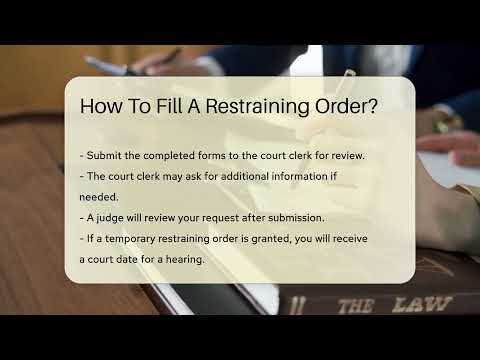
- The Legal Process: Once you file online, the court will review your request and decide whether to grant an order based on what you’ve provided.
- Court Hearings: After that initial grant (or not), there might be a formal hearing where both parties can present their side. If everything goes well for you, the restraining order might become permanent.
Enforcement Challenges
This is where things start getting tricky! Let’s say you’ve got your restraining order approved. Great news! But what happens when the other party decides to ignore it? Well, enforcement can vary by state and depends on how well the authorities are able to act on breaches.
If someone violates a restraining order—like sending messages or showing up at your home—you have the right to report them to law enforcement. They could face criminal charges for this violation. However, proving that they’ve violated it can sometimes be tough in an online context since text messages or posts don’t always provide clear evidence.
- The Role of Social Media: Social media platforms have their own policies regarding harassment and threats but enforcing those rules against personal legal orders isn’t always consistent. So just because something’s illegal on paper doesn’t mean it’s automatically addressed online!
- Court Cooperation: Sometimes local courts ask tech companies for help in enforcing orders—for example, proving someone’s been reaching out on social media—but this cooperation isn’t guaranteed everywhere.
The emotional weight of needing a restraining order can’t be overstated. Imagine constantly checking your phone because you’re worried about what someone might send next? It’s exhausting! That’s why having legal protections in place feels essential for many people navigating these situations.
The bottom line is that while getting a restraining order can offer immediate protection from harassment and threats—especially online—the path isn’t always smooth when it comes to enforcement. You have rights that deserve respect; knowing how they work is key!
Essential Evidence Required for Obtaining a Restraining Order in Florida
Getting a restraining order in Florida can feel like a daunting process. It’s not just about filling out some forms; you’ll need to gather certain pieces of evidence to back up your request. So, what essential evidence do you need? Let’s break it down.
First off, you should know that restraining orders, or injunctions for protection, are meant to keep someone from harassing or harming you. You have to prove that there’s a real threat. Basically, it means showing the court that the person you’re worried about has done something threatening or harmful in the past.
- Description of incidents: Document any specific incidents where the person acted aggressively towards you. Think of dates, times, and what exactly happened. For instance, if someone sent you threatening messages or showed up uninvited at your home, write it all down.
- witnesses: If there were witnesses to these incidents, get their names and contact info if possible. Their testimony can really help your case. Imagine having a friend who saw a heated argument come forward—that could make all the difference!
- Evidence of communication: Save all text messages, emails, voicemails—basically anything that shows how this person is behaving towards you. Even social media messages can be useful! If the aggressor sent nasty texts saying things like “You’ll regret this,” hold onto those.
- Police reports: If you’ve called the police on them before or filed any reports regarding their behavior, include those documents as well. They serve as formal evidence demonstrating that you’ve taken steps to address the situation.
- Your own statement: Write a personal statement describing how this behavior has affected you emotionally and physically. Be honest and clear about your feelings. If it feels terrifying to be around them or if it’s affecting your daily life—spell it out!
The thing is—you’ve got to convince the judge that without this order, you’re in danger or living in constant fear because of someone else’s actions.
If you’re looking into filing for a restraining order online in Florida, there are websites set up where you can access forms and instructions easily. It’s pretty straightforward once you’ve done all your prep work with evidence!
Navigating this whole situation can be stressful—like standing on shaky ground—but being prepared with solid evidence makes things way easier when you’re handling everything in court.
So remember: keep everything organized and don’t hesitate to ask for help if you need it! You’re not alone in this process.
Filing a Restraining Order Online in Florida: A Step-by-Step Guide
Filing a restraining order online in Florida can seem daunting, but it’s actually pretty straightforward once you get the hang of it. So, if you feel like you need some legal protection because of harassment, stalking, or domestic violence, here’s a step-by-step guide to help you through the process.
First off, it’s essential to understand what a restraining order is. Basically, it’s a legal document that helps keep someone away from you. Like, if someone is making your life miserable—maybe through threatening messages or unwanted visits—you can ask the court to intervene.
Step 1: Gather Your Information
Before jumping into the online filing, you’ll want to collect all relevant details about your situation. This includes:
So yeah, have everything ready so when you start filling out forms, it goes smoothly.
Step 2: Visit the Florida Online Court System
Now that you’re organized, head to the official Florida Courts website. They have a specific section for filing domestic violence injunctions and other types of restraining orders online. You’re looking for something called “e-filing.” It’s like using an app for court stuff—way more convenient!
Step 3: Create an Account
You’ll need to set up an account if this is your first time using their system. Just enter basic info like your name and email address. The process should only take a few minutes.
Step 4: Fill Out the Forms
Once you’ve got your account set up, it’s time to fill out those forms! Be as detailed as possible; don’t leave anything important out. Describe the incidents that led you to seek this protection clearly and concisely.
And remember: honesty is key here! If there are any misunderstandings in what happened or if things aren’t clear-cut, courts generally take those seriously.
Step 5: Submit Your Filing
After you’ve filled everything out and double-checked for accuracy (because typos happen!), submit that bad boy. You should receive confirmation that your restraining order request has been filed successfully.
Step 6: Pay Any Required Fees
Depending on your situation, there may be fees associated with filing for a restraining order—though some fees can get waived if you’re financially struggling. Keep an eye on any payment instructions during this stage.
If money’s tight and you’re facing financial hardship due to domestic violence or harassment issues? There are ways to ask for fee waivers; just look on the court’s site for more info about that.
Step 7: Attend Your Hearing
The court will schedule a hearing after your application is filed. This is super important because it’s where you’ll present your case in front of a judge! Make sure you show up with all relevant documents and any witnesses who can back up what you’ve said.
You might feel anxious about this part—totally normal! The thing is, just explain everything calmly as best as you can. Courts want to hear from both sides before making any decisions about whether or not to grant that order.
In short? Filing a restraining order online in Florida doesn’t have to be intimidating – just take things one step at a time! Once you’ve got all required info gathered up front and follow these steps closely? You’ll get through it just fine!
Filing a restraining order can feel like a heavy thing to do. You might be facing a situation where you need space and protection. Maybe it’s from an abusive partner, a neighbor who just won’t stop harassing you, or even an ex who can’t take “no” for an answer. Whatever the case, you’re not alone in this—many folks find themselves needing to deal with similar issues.
Now, the cool part is that some states offer online filing for restraining orders. Seriously! It’s like they figured out that going through this process in the middle of a tense situation shouldn’t add more stress. It can be this huge relief because you don’t have to sit in court waiting for your turn while your anxiety spikes through the roof.
But here’s the thing: even though filing online is super convenient, it’s important to know what you’re getting into. Filling out forms sounds easy enough until you realize there’s legal jargon and requirements that might trip you up. You’ll need to explain your situation clearly and provide specific details about why you feel threatened or unsafe.
I remember a friend of mine had to file one after she felt cornered by someone she trusted at first but later turned aggressive when things ended. She had her moments of doubt—wondering whether she was overreacting or if it would even work. But after the filing process (which she did online), there was a sense of empowerment, like she was finally taking control of her life again.
Still, some folks hit speed bumps along the way. Maybe technical issues pop up or local laws differ—they really can vary from state to state. Being thorough with your paperwork is key; one small mistake can delay everything when all you want is peace of mind.
Also, remember that just because it’s online doesn’t mean it’s instantaneous magic; there’ll still be court hearings and legal processes afterward. So, keeping track of dates and following instructions becomes crucial.
In short, leveraging technology to file restraining orders online can make an intense process slightly easier. Just stay informed about what comes next and know you’re taking steps for your safety—it matters so much! It’s not just about filling out forms; it’s about reclaiming your space and feeling safe again in your life.




