
The information provided in this article is intended solely for general informational and educational purposes related to U.S. laws and legal topics. It does not constitute legal advice, legal opinions, or professional legal services, and should not be considered a substitute for consultation with a qualified attorney or other licensed legal professional.
While efforts have been made to ensure the information is accurate and up to date, no guarantees are given—either express or implied—regarding its accuracy, completeness, timeliness, or suitability for any specific legal situation. Laws, regulations, and legal interpretations may change over time. Use of this information is at your own discretion.
It is strongly recommended to consult official sources such as the U.S. Government (USA.gov), United States Courts, or relevant state government and court websites before acting on any information contained on this website or article. Under no circumstances should professional legal advice be ignored or delayed due to content read here.
This content is of a general and informational nature only. It is not intended to replace individualized legal guidance or to establish an attorney-client relationship. The publication of this information does not imply any legal responsibility, guarantee, or obligation on the part of the author or this site.
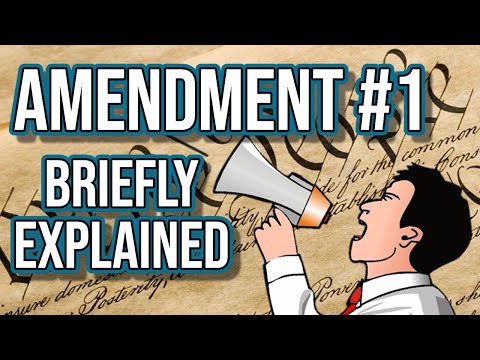
You know, the First Amendment is like the backbone of our freedom. It’s what gives us the right to say what we think, believe what we want, and even gather together to express those beliefs.
But, it’s not just about free speech or religion. It’s about how these rights play out in real life. Seriously, think about it—every time someone stands up and speaks out for justice, they’re tapping into that First Amendment power.
So, let’s chat about how these rights work in American justice and why they matter so much. You might be surprised by just how big of a role they play in our everyday lives!
Understanding the 2nd Amendment: Rights, Interpretations, and Legal Implications
The 2nd Amendment to the United States Constitution is one of the most debated pieces of text out there. It reads, “A well regulated Militia, being necessary to the security of a free State, the right of the people to keep and bear Arms, shall not be infringed.” Basically, this amendment grants people the right to own guns. But what does that really mean in practice?
Interpretations of this amendment vary widely. Some folks argue it’s all about personal gun ownership for self-defense. Others emphasize its link to organized militias. So you can see why it leads to lots of discussions—people are pretty passionate about their views on firearms!
Legal implications? Oh boy! They’re significant and complex. Courts have had a field day interpreting this amendment over the years. For instance:
- District of Columbia v. Heller (2008): This landmark case confirmed that individuals have a right to possess firearms for self-defense within their homes.
- McDonald v. City of Chicago (2010): Here, the Supreme Court held that this right applies at both federal and state levels.
These cases cemented individual rights but also left room for regulations. You might ask, “Can states impose restrictions?” And yes, they can! Things like background checks or age limits are fair game under certain conditions.
It’s also worth noting how this ties into other amendments like the 1st Amendment. Both amendments protect important rights—one for free speech and assembly while the other focuses on gun ownership. Together they represent core American values.
But here’s where it gets tricky: how do you balance these rights when conflicts arise? For example, if someone’s exercising their right to free speech by protesting against gun violence while another person feels threatened because they’re openly carrying a firearm in that same space—what then? It’s a delicate dance.
You might even recall moments when public opinion shifted dramatically after tragic events involving gun violence. These situations often prompt calls for stricter gun control laws or discussions about mental health resources instead.
So remember, understanding the 2nd Amendment isn’t just about knowing your rights; it’s also recognizing how these laws fit into our broader society and culture as they continue evolving through courts and public opinion.
In essence, this amendment serves as both a shield for individual rights and a trigger for ongoing debates about safety and personal freedoms in America today! Isn’t it something how one little sentence can lead to such big conversations?
Understanding the First Amendment: Exploring the Scope and Limits of Freedom of Speech in America
The First Amendment is a big deal in America. It lays down the law when it comes to freedom of speech, religion, press, assembly, and petition. Basically, it’s your shield against government interference in what you say and believe. But hold up! Freedom of speech isn’t an absolute right; there are limits to it—and understanding those limits can get pretty tricky.
So, let’s break this down a bit. You might think that you can say whatever you want without consequences, but there are laws against certain types of speech. Here’s where things get interesting:
- Hate Speech: This might sound like something out of a political debate, but hate speech isn’t banned per se in the U.S., as long as it doesn’t incite violence or pose a real threat. For example, if someone makes derogatory comments about a group of people without directly encouraging violence, that can be protected under the First Amendment.
- Obscenity: This is another tricky area. Obscene material isn’t protected—think hardcore pornography or graphic violence intended to shock beyond what most people consider acceptable. The famous case of Miller v. California helped define what constitutes obscenity.
- Defamation: If you spread false statements that harm another person’s reputation—like calling someone a thief when they’re not—that can lead to legal repercussions. Defamation falls outside the realm of protected speech because it negatively impacts someone else.
- Incitement: You can’t just yell “Fire!” in a crowded theater if there’s no fire! Speech that incites illegal actions or poses an immediate threat to public safety can be punished under the law.
- True Threats: If you’re making threats against someone’s life or safety and it’s clear you’re serious about it, that’s not protected either. This was emphasized in cases involving real threats versus mere hyperbole.
Now picture this: A college student crafts an art piece that features controversial political statements and offensive imagery to make a point about society’s issues. While some folks might be outraged and push for its removal from campus, they can’t legally do so just because it’s upsetting—at least not without good reason like obstruction or threat.
And while we’re on the subject—you might hear about cases where school officials try to limit students’ rights during events like graduation speeches or school newspapers. The landmark case Tinker v. Des Moines Independent Community School District, established that students don’t shed their First Amendment rights at school doors—as long as their expression doesn’t disrupt education.
It gets even deeper with technology these days! Online platforms have become new public squares where speech flourishes (or flounders). Social media companies often have their own rules that might be stricter than legal standards; you could post something controversial and find yourself banned from the platform even though your words technically fall within free speech protections.
In short, while The First Amendment offers robust protections for free expression in America, it also has nuanced limitations designed to protect individuals and promote social order. Finding the balance between protecting society and respecting personal freedoms is an ongoing challenge we face together!
Understanding and Protecting Your 1st Amendment Rights: A Comprehensive Guide
Understanding your First Amendment rights is super important, especially in a country where free speech and expression are so central to what it means to be American. So, let’s break it down simply. The First Amendment, part of the Bill of Rights ratified in 1791, protects five key freedoms:
- Freedom of Speech
- Freedom of Religion
- Freedom of the Press
- The Right to Peaceably Assemble
- The Right to Petition the Government
These freedoms work together like a puzzle. When you consider them fully, you see how they shape our daily lives and community interactions.
First up is freedom of speech. This basically means you can express your opinions without fear of government punishment. But hold on! It’s not an absolute right. There are limits—think hate speech or threats. For example, if someone yells fire in a crowded theater without cause, that can get them in serious trouble—and rightly so.
Next is freedom of religion. You can believe what you want—or not believe at all—without interference from the government. Imagine a kid who’s raised in one faith but wants to explore another; that freedom helps keep their options open without fear.
Then there’s freedom of the press. This protects journalists from censorship and allows them to report on matters that matter to us all, like politics or social issues. Remember the Watergate scandal? Investigative journalism played a massive role there!
Now onto the right to peaceably assemble. This gives you the ability to gather with others for protests or rallies. Picture this: a group standing up for climate change awareness peacefully marching down Main Street—that’s exercising this right! But again, if things turn violent or destructive? Well, that’s where problems arise.
Finally, we have the right to petition the government. You can make your voice heard by asking officials to change laws or policies—whether that’s signing a petition or writing letters. Ever seen those movement petitions online? Classic example!
So now that we get what these rights are about, how do you protect them? Firstly, stay informed! Keeping track of current events helps understand when those rights might be under threat.
Secondly, speak up if you notice any violations happening around you—don’t just sit back! Engaging with local officials can make more difference than you’d think.
Also consider joining organizations dedicated to civil liberties; groups like the ACLU work tirelessly defending these rights every day.
Lastly—and this is key—if you’re ever unsure about what’s legal when it comes to expressing yourself or gathering with others? Do some research or talk with folks who know law better than most people do!
In short, understanding your First Amendment rights isn’t just about reading some words on paper; it’s about making sure they’re alive and well in everyday life. Just picture someone standing up at a town hall meeting because they believe something needs changing—that’s living proof of those rights in action! So embrace it; after all, these freedoms are what help define democracy in America!
You know, when you really sit down and think about the First Amendment, it’s kind of mind-blowing. I mean, it’s not just a few words scribbled on a piece of paper; it’s like the backbone of our democracy. It guarantees your rights to free speech, religion, press, assembly, and petitioning the government. And let’s be honest—these rights are what make America, well… America!
Take for instance that time in high school when my friend spoke out against a school policy during an assembly. You could feel the tension in the air. But when he was able to voice his thoughts without fear of punishment? That was powerful. He wasn’t just sharing his opinion; he was exercising his First Amendment right. It was a big deal for him and for all of us there.
In terms of justice, this amendment plays such a crucial role. Imagine living in a society where you couldn’t express your thoughts or criticize those in charge! That would suck big time. But with these rights on our side, we can hold people accountable—be it politicians or companies or even our own neighbors.
There have been countless court cases that hinge on these freedoms. Think about famous ones like Tinker v. Des Moines, where students had their right to wear black armbands to protest the Vietnam War upheld by the Supreme Court. It showed that even young voices matter and can impact society.
But here’s where it gets tricky: sometimes what you say can ruffle feathers or even hurt people’s feelings; so there’s always this balancing act going on between freedom and responsibility. You might have the right to say something controversial, but that doesn’t mean it’s free from consequences—socially or legally.
So yeah, First Amendment rights are not just words; they’re lived experiences shaping American justice daily! They remind us to speak up and share our truth while also respecting others along the way. It’s all about finding that sweet spot between speaking your mind and fostering understanding in a diverse community—a challenging but essential dance for sure!




