
The information provided in this article is intended solely for general informational and educational purposes related to U.S. laws and legal topics. It does not constitute legal advice, legal opinions, or professional legal services, and should not be considered a substitute for consultation with a qualified attorney or other licensed legal professional.
While efforts have been made to ensure the information is accurate and up to date, no guarantees are given—either express or implied—regarding its accuracy, completeness, timeliness, or suitability for any specific legal situation. Laws, regulations, and legal interpretations may change over time. Use of this information is at your own discretion.
It is strongly recommended to consult official sources such as the U.S. Government (USA.gov), United States Courts, or relevant state government and court websites before acting on any information contained on this website or article. Under no circumstances should professional legal advice be ignored or delayed due to content read here.
This content is of a general and informational nature only. It is not intended to replace individualized legal guidance or to establish an attorney-client relationship. The publication of this information does not imply any legal responsibility, guarantee, or obligation on the part of the author or this site.
Alright, so let’s chat about something that’s kinda huge right now: same-sex marriage laws in the U.S.
You know how love is love, no matter who it’s between, right? Well, it wasn’t always that way in the eyes of the law.
Not too long ago, folks had to fight hard just to have their love recognized. Crazy, huh?
But here’s where it gets interesting—these laws don’t just change lives; they also touch our jury system.
Yeah, I know what you’re thinking—how does that all connect?
Stick around, and I’ll break it down for you!
Exploring the Court’s Landmark Decision on Same-Sex Marriage: Impacts and Implications
Sure! Let’s talk about that landmark decision on same-sex marriage and where it fits in the American legal framework, especially as it touches on the jury system.
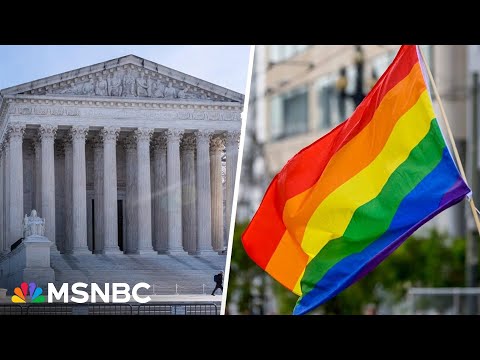
The case that really got everyone talking was *Obergefell v. Hodges*, decided by the Supreme Court in 2015. This was a huge moment for LGBTQ+ rights across the U.S. In a nutshell, the court ruled that same-sex couples have a constitutional right to marry, and states couldn’t deny that right. It was all about equality—making sure everyone gets treated fairly under the law.
So, what are the impacts of this ruling? Well, first off, it solidified marriage as a fundamental right for everyone, regardless of sexual orientation. Before this decision, many states had laws banning same-sex marriage. After Obergefell, those laws were tossed out as unconstitutional.
Now let’s get into how this connects to the jury system. You might be wondering why marriage equality matters in that context at all! Here’s the thing: juries are made up of regular folks from various backgrounds and experiences. Their perspectives can shape how they understand and interpret cases involving LGBTQ+ rights or discrimination.
Here are some implications:
- Bias Awareness: Juries may carry personal biases based on their beliefs about same-sex relationships. This can affect deliberations in cases where these rights are challenged.
- Legal Precedent: Since Obergefell set a legal precedent for marriage equality, juries now assess cases with that backdrop in mind. A divorce case or custody battle involving same-sex couples will be seen under different legal expectations.
- Community Impact: If a jury feels strongly about civil rights—including marriage equality—it could influence their decisions in related cases, maybe even pushing back against discrimination.
Consider this: imagine a jury is tasked with deciding on a hate crime against an LGBTQ+ individual post-Obergefell. With the ruling fresh in their minds—or maybe even close to their hearts—those jurors might put more emphasis on justice than they would have before this decision happened.
Also, we can’t ignore how society’s views have evolved thanks to rulings like Obergefell. It’s opened up conversations around acceptance and advocacy within communities—essentially shifting cultural norms over time.
In short, Obergefell v. Hodges didn’t just impact who can get married; it reshaped how we understand equality in many areas of life—including our courts and juries! So when you think about court decisions affecting everyday people, know that these rulings echo through legal systems everywhere—and leave an imprint on how justice is served.
Understanding Federal Law on Same-Sex Marriage: Key Insights and Legal Implications
Understanding federal law on same-sex marriage involves diving into some big changes over the last few decades. Let’s break it down a bit, shall we?
Back in 2015, the Supreme Court made a huge ruling in **Obergefell v. Hodges**, which really changed the landscape for same-sex couples. The Court decided that same-sex marriage is a right protected by the Constitution, specifically under the **14th Amendment**. This basically means that laws denying same-sex couples the right to marry violate their rights to equal protection and due process. You see, before this decision, many states had different laws regarding same-sex marriage; some allowed it, while others flat-out banned it.
The thing is, even after Obergefell, there have been ongoing debates and legal battles over marriage equality and its implications. Some people are still pushing for local or state laws that could undermine these protections. So yeah, you gotta keep your eyes peeled, because in certain areas of the U.S., these issues can get tricky.
Another important aspect relates to how federal law interacts with jury systems when it comes to same-sex marriage. When same-sex couples face discrimination or legal challenges based on their marital status—and trust me, those scenarios can pop up—you might find yourself dealing with jury decisions that reflect broader societal views on marriage equality.
Key Insights about Same-Sex Marriage Law:
- Legal Recognition: After Obergefell, all states must recognize same-sex marriages. This includes benefits like tax filings and health insurance that come with being married.
- State Variability: While federal law protects marriage rights nationwide, individual states might still throw some curveballs regarding related issues like adoption or spousal benefits.
- Ongoing Challenges: Even today, some counties or municipalities may challenge these rights through various local ordinances or policies.
Legal implications can be heavy too. For instance, let’s say you’re a juror and you have to rule on a case where a same-sex couple was denied certain services based on their marriage status. Your decision could help shape how others view these rights in your community—or even affect future legislation on similar cases.
And look at this: there’s also conversation around **religious exemptions** and how they play into all of this. Some businesses argue they shouldn’t have to serve same-sex couples if doing so goes against their beliefs. These kinds of cases can get dicey in court—especially when they hit jury duty levels where everyday folks like you are making decisions.
In short, understanding federal law surrounding same-sex marriage isn’t just about knowing what passed years ago; it’s also about recognizing ongoing debates and potential changes that might pop up in various jurisdictions across the country. The evolution of these laws continues to shape not only our legal system but our society as well—one case at a time!
Timeline of Federal Legalization of Same-Sex Marriage in the United States
Sure! Here’s a timeline of the federal legalization of same-sex marriage in the United States and its relationship to the jury system.
Before 1996: The landscape for same-sex marriage was pretty much nonexistent. Most states didn’t recognize it, and many didn’t even think about it. Legal recognition was just a whisper in the wind.
1996 – Defense of Marriage Act (DOMA): Congress passed DOMA, which defined marriage as a union between one man and one woman for federal purposes. This was huge because it meant that same-sex couples couldn’t access federal benefits like Social Security or immigration rights.
2000s – Growing Momentum: A few states began legalizing same-sex marriage independently, but DOMA still loomed large over those marriages. People were starting to fight back, and grassroots movements picked up steam.
2010 – Court Challenges Begin: In 2010, a landmark case emerged when a couple challenged DOMA’s constitutionality. It was clear that the tide was turning. Courtrooms became battlegrounds for these rights, setting precedents that would ripple across the nation.
2013 – United States v. Windsor: The Supreme Court struck down part of DOMA in this case, ruling it unconstitutional under the Fifth Amendment. This decision was crucial because it recognized that denying federal benefits to same-sex married couples violated their rights.
2015 – Obergefell v. Hodges: Talk about monumental! The Supreme Court ruled that same-sex marriage is a constitutional right under the Fourteenth Amendment’s Equal Protection Clause. This meant that all states had to allow and recognize same-sex marriages no matter what their individual laws said.
So, why does this matter in terms of the jury system? Well, the recognition of same-sex marriage affected how juries view cases involving LGBTQ+ individuals. Juries are composed of everyday people who bring their beliefs into the courtroom. With federal legalization, there’s been greater representation and understanding of same-sex relationships in legal contexts.
Jurors may find themselves more educated on LGBTQ+ issues now than decades ago when ignorance or bias might have led them to prejudge cases unfairly. If a juror thinks about how they’d want their own relationship treated under law, they may be more empathetic toward others’ struggles.
In summary, this timeline not only showcases an incredible shift towards equality but also illustrates how this shift influences how juries operate—changing perspectives on justice and fairness for everyone involved. Isn’t it amazing how far we’ve come?
You know, when you think about same-sex marriage laws in the U.S., it’s easy to get wrapped up in the big picture—the court battles, the celebrations, and even the protests. But what’s interesting is how all of this stuff ties into our jury system. It’s like one of those complex puzzles where different pieces are coming together, and you can’t help but wonder how they fit.
So, let’s backtrack a bit. When same-sex marriage became legal nationwide in 2015 with the Obergefell v. Hodges ruling, it was a huge step forward for equality. But at that moment, it wasn’t just about two people being able to tie the knot; it was about changing societal perceptions. That shift has ripple effects everywhere, even in courtrooms where juries play a critical role.
Imagine being called for jury duty. You show up expecting to be part of something important—deciding someone’s fate or resolving a conflict. But now, with same-sex marriage being recognized legally, jurors have to consider issues through an evolving lens of acceptance and fairness. The laws surrounding marriage equality affect how people perceive cases involving family law or discrimination against LGBTQ+ individuals.
I remember talking with a friend who served on a jury that dealt with a case involving discrimination based on sexual orientation. She shared how challenging it was for some jurors to align their personal beliefs with their duty as jurors to uphold justice for everyone equally. That’s where things can get tricky!
You see, every juror is supposed to leave biases at the door—that’s kind of the deal when you sign up for duty. But let’s face it: we’re all human and our backgrounds shape how we see things even if we try not to let it interfere! This means that discussions about same-sex marriage aren’t just theoretical; they can influence real decisions in real cases.
Now think about this: as more states began recognizing same-sex marriage prior to 2015, juries might’ve faced rising tensions over how family dynamics were viewed in legal cases. Would they treat cases involving same-sex couples differently? Or would they apply the laws equitably regardless? It’s fascinating when you start connecting these dots!
At the end of the day, whether you’re pro or con about same-sex marriage doesn’t really matter when you’re sitting on a jury—you gotta weigh evidence without letting your personal opinions muddle things up! The role of law is clear: everyone deserves equal treatment under it.
This whole topic is just an example of how intertwined our legal systems are with cultural shifts and progressions—in this case towards acceptance and equality for same-sex couples. It reminds us that change often starts at home but can make its way into courtrooms and jury boxes too!




