
The information provided in this article is intended solely for general informational and educational purposes related to U.S. laws and legal topics. It does not constitute legal advice, legal opinions, or professional legal services, and should not be considered a substitute for consultation with a qualified attorney or other licensed legal professional.
While efforts have been made to ensure the information is accurate and up to date, no guarantees are given—either express or implied—regarding its accuracy, completeness, timeliness, or suitability for any specific legal situation. Laws, regulations, and legal interpretations may change over time. Use of this information is at your own discretion.
It is strongly recommended to consult official sources such as the U.S. Government (USA.gov), United States Courts, or relevant state government and court websites before acting on any information contained on this website or article. Under no circumstances should professional legal advice be ignored or delayed due to content read here.
This content is of a general and informational nature only. It is not intended to replace individualized legal guidance or to establish an attorney-client relationship. The publication of this information does not imply any legal responsibility, guarantee, or obligation on the part of the author or this site.
So, you know when you walk into a courthouse and there’s that security line? Yeah, the one where you have to empty your pockets and take off your shoes. It can feel a bit like you’re at the airport, right? But here’s the thing: that pat down? It’s not just for show.
Ever wonder why security measures are so tight in courtrooms? Well, it’s all about keeping everyone safe while allowing justice to happen. You wouldn’t want a heated trial to turn into a chaotic scene, would you?
And then there’s the jury. Their job is super important, but they’re also in this bubble of protection. So let’s chat about how these security measures play into the whole drama of being in a courtroom. Plus, we’ll look at how this affects jurors and their experience. It’s interesting stuff!
Understanding Your Rights: Can Law Enforcement Officers Pat You Down Without Consent?
So, let’s get into it. You might have heard about police officers patting people down for weapons or contraband. But, like, can they actually do that without your consent? Well, the answer is a little complex.
First off, a pat-down usually happens when an officer has reasonable suspicion that you might be armed and dangerous. It’s not just random checking. They need a good reason to think you’re a threat.
Here are some key points to understand:
- Reasonable suspicion: This is the big one. If the officer sees something suspicious—like you acting weird or being in a high-crime area—they might think twice before letting you go without checking.
- Consent: If an officer asks to pat you down and you say yes, then they can definitely do it. But if you’re not okay with it, that’s where things get tricky.
- The Fourth Amendment: This nifty little part of the Constitution protects us from unreasonable searches and seizures. Officers need to know when they’re crossing that line.
A common scenario could be something like this: Imagine you’re walking home late at night and the police spot you looking nervous as you approach them. They might stop you right there because they suspect something’s off. If they pat you down without saying why or having probable cause, they could potentially violate your rights.
If an officer does pat you down and finds something illegal—let’s say a knife—they might use that against you in court. But if there’s no solid reason for stopping and searching you in the first place? That evidence could be tossed out!
It’s also important to note that laws can vary between states. Some areas have stricter regulations on how and when officers can conduct these searches.
If you’ve ever felt uncomfortable during a stop-and-frisk situation, you’re not alone; many people feel anxious or even violated when this happens. That feeling is totally valid! You have rights, but understanding how they work in these situations is crucial.
The bottom line? Police can pat you down without consent if they have reasonable suspicion that you’re hiding something dangerous. If not, there might be grounds for contesting any evidence found during an unlawful search!
If this topic interests you further or if you’ve had experiences you’d like to discuss, don’t hesitate to look into legal resources or support groups that focus on civil rights! They’re out there to help clarify your questions and concerns.
Understanding the Legal Basis for Pat-Down Searches: Rights and Regulations Explained
So, let’s break down what a pat-down search is and the legal stuff that backs it up. You know, these searches, often called “frisking,” happen when law enforcement officers feel there might be a weapon or something dangerous on someone. It’s important to understand the balance between safety and your rights.
First off, let’s talk about **the legal framework** for these searches. The basis is all wrapped up in the Fourth Amendment of the U.S. Constitution. This amendment protects you against unreasonable searches and seizures. Basically, this means that police can’t just go around searching people without solid reasons.
Now, what gives an officer the right to do a pat-down? Well, it’s usually tied to something called “reasonable suspicion.” This means there must be specific facts or evidence that lead them to believe you might be armed and dangerous. For instance, if someone looks suspicious or matches the description of a suspect in an ongoing investigation, cop might have grounds for a search.
Here are some key points about pat-downs:
- Reasonable Suspicion: Officers need more than just a hunch; they need facts or circumstances indicating you might be armed.
- Scope of Search: A pat-down should only involve checking outer clothing for weapons—not going through pockets or bags unless they feel something suspicious.
- Informed Consent: In some cases, if you’re cooperative and consent to a search, police may proceed without needing much suspicion.
- Public Places: Pat-downs often occur in public spaces where officers need to ensure safety—for example, at airports or during large events.
And here’s where it gets a bit tricky: if an officer feels an object during a frisk that isn’t obviously a weapon—like drugs or other contraband—they can seize it. This rule stems from another Supreme Court case known as *Terry v. Ohio*. It’s kind of like saying if they feel something fishy during their quick search, they can take another look.
It’s also good to know that your rights don’t disappear completely during these encounters. If you ever find yourself in a situation where you’re being patted down:
1. **Stay Calm:** Keeping your cool helps avoid escalating things.
2. **Ask Questions:** You can ask why they’re searching you.
3. **Don’t Resist:** Physically resisting can lead to more trouble than it’s worth.
A little while back, I came across this story about a guy named Jake who got stopped outside of a concert venue because he looked suspicious (his hoodie and baseball cap weren’t helping his case). The officer explained he was doing brief checks for safety reasons—a reasonable method given the crowd size! Luckily for Jake, he had nothing but his phone and wallet on him—but he still felt weird about being searched without any real explanation at first.
So yeah, understanding your rights when it comes to pat-down searches feels super crucial these days. They’re meant for safety but should always respect your rights too! Remembering this balance keeps everyone safer while ensuring your protection under the law stays intact.
Understanding the 4th Amendment: Its Application to Private Security Surveillance
The Fourth Amendment of the U.S. Constitution is all about protecting your privacy. It says that you have the right to be free from unreasonable searches and seizures. So, when we talk about private security surveillance, this amendment plays a critical role in guiding what’s legal and what’s not.
Now, think about this for a second: You’re at a concert or a sports game. Before you get in, security might pat you down or check your bag. This is pretty common, but it raises some important questions about your rights under the Fourth Amendment.
To break it down simply, here are some key points:
You might remember the story about a guy who went through airport security and felt his rights were violated when screeners went through his things without cause or clear reason—this can often stir up debates around the Fourth Amendment.
So basically, while private security has some leeway for public safety reasons, they still have to play by certain rules established by the Fourth Amendment. They can’t just go all rogue on folks without good reason!
In practice? Well, if you’re ever unsure whether something feels right during a security check—like if it seems excessive—you’ve got every right to ask questions or speak up! Always remember that your rights matter too!
You know, when you think about it, the whole idea of pat downs and jury duty kind of feels like two sides of the same coin. They both revolve around safety and making sure things are fair—even if they seem totally different at first glance. Let me break it down a bit.
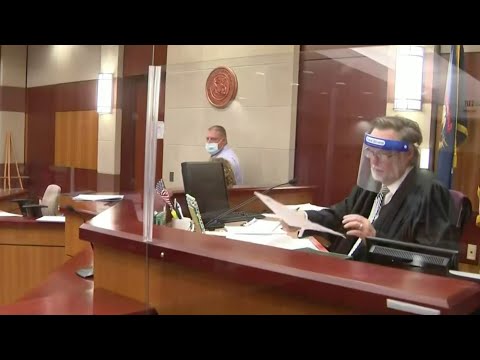
So, picture this: You’re in a courtroom. You’ve just been selected to be on a jury. Exciting, right? But before you can even settle into your seat, you’ve gotta go through security. That might mean walking through a metal detector or getting patted down by security guards. It’s a bit nerve-wracking! You start wondering if you’re holding up proceedings because you forgot to take off your belt or something.
Now, the pat down is there for a reason. Courts want to ensure everyone’s safe—jurors, defendants, witnesses—you name it. Having that layer of security helps keep everything in check and makes sure that no one’s sneaking anything dangerous into the courtroom. It’s all about maintaining order so that justice can run its course smoothly.
But here’s where it gets interesting: just like how jurors have to follow rules and guidelines, security measures have their own set of standards too. Like how they can’t just search anyone without probable cause; there are limits and protocols in place to protect your rights while also keeping everyone safe.
And think about juries for a second—they’re made up of regular folks like us who are tasked with making big decisions about someone’s fate. It takes courage! It can be stressful sitting there knowing you hold so much power in your hands while also trying to feel secure in your surroundings.
Still, I remember my first time on jury duty; I felt this blend of anxiety and excitement as I went through security screening—almost like stepping onto an arena floor before game time! But once I got past that initial hurdle and was actually seated with my fellow jurors, hearing the case unfold made me realize something important: all those little procedures were reminders that even in serious matters of law, everyone deserves protection and fair treatment under the system.
So yeah, whether it’s through pat downs or serving as jurors, U.S. law aims for balance—it strives for safety while ensuring justice has its day. It may seem like just another day at court but recognizing those layers really shows how deeply interconnected our legal protections are!




