
The information provided in this article is intended solely for general informational and educational purposes related to U.S. laws and legal topics. It does not constitute legal advice, legal opinions, or professional legal services, and should not be considered a substitute for consultation with a qualified attorney or other licensed legal professional.
While efforts have been made to ensure the information is accurate and up to date, no guarantees are given—either express or implied—regarding its accuracy, completeness, timeliness, or suitability for any specific legal situation. Laws, regulations, and legal interpretations may change over time. Use of this information is at your own discretion.
It is strongly recommended to consult official sources such as the U.S. Government (USA.gov), United States Courts, or relevant state government and court websites before acting on any information contained on this website or article. Under no circumstances should professional legal advice be ignored or delayed due to content read here.
This content is of a general and informational nature only. It is not intended to replace individualized legal guidance or to establish an attorney-client relationship. The publication of this information does not imply any legal responsibility, guarantee, or obligation on the part of the author or this site.
So, you’re a single parent, huh? It’s a wild ride, not gonna lie. Juggling work, kids, and all the other chaos can feel like a full-time job in itself. But then there’s the legal stuff—uh-oh!
What do you really need to know about your rights? Like, what happens if you end up in court? It can feel super overwhelming. You’re not alone in this! Many folks are in the same boat.
Let’s break it down together. We’ll chat about your rights as a single parent in the U.S. legal system and how juries can sometimes play into all of this. Ready to tackle it? Let’s dive in!
Understanding Jury Duty Exemptions for Single Mothers: Your Rights and Options
Jury duty can feel like a bit of a burden, especially for single mothers. But here’s the thing: there are exemptions and options out there for you. If you’re a single mom facing jury duty, it’s important to know your rights and understand what might apply to your situation.
First up, let’s talk about exemptions. In general, every state has its own rules about who can be excused from jury duty. Many states recognize that caregiving responsibilities can be a valid reason for exemption. So if you have young kids at home or you’re the primary caretaker for a dependent who needs you, it’s worth bringing that up.
Here are some key points to consider:
- Your local court may allow you to request an exemption based on your status as a single mother.
- If your child is under a certain age (often 12 years), this can strengthen your case for being excused.
- For women with children who have special needs or medical issues, this is usually taken into consideration too.
Now, what if you really can’t take time away? It happens! You might be juggling work, school, and everything in between. Many courts understand this reality and allow rescheduling or deferrals. Just make sure to provide necessary documentation if required—like proof of childcare obligations or work commitments.
Let’s say you got that jury summons in the mail. Don’t panic! You typically need to respond within a certain timeframe; otherwise, you risk penalties. When responding do so clearly explain your situation—that you’re solely responsible for your kids and doing everything possible to manage both responsibilities. It shows you’re taking it seriously!
If all else fails, there’s always the chance of being disqualified during the selection process itself. When jurors are questioned during voir dire (that fancy term for jury selection), share any hardships candidly with the judge or attorneys present. That’s your chance to state how serving could impact your life and responsibilities significantly!
The bottom line here is: don’t hesitate to advocate for yourself. Being proactive about understanding and asserting your rights is critical. Without doubt, no one wants to end up in legal hot water because they didn’t show up or didn’t respond correctly—you follow me?
The system does have accommodations for folks like single moms who genuinely can’t take time away from their duties at home. So stay informed! You’ve got rights, options exist, and knowing what they are helps make this whole process smoother for everyone involved!
Exploring the Connection Between Single Parent Families and Crime Rates: Insights and Implications
Alright, let’s talk about something that affects a lot of families: the connection between single parent families and crime rates. This topic is pretty complex, and it’s tied into lots of social and economic factors. So, you might be asking yourself what the real scoop is here. Buckle up!
Many studies suggest that single-parent households can sometimes face challenges that might lead to higher crime rates in certain areas. But, it’s not just about the parenting situation itself. There’s often more going on.
- Poverty: Single parents frequently juggle financial strain. In fact, many struggle to make ends meet with just one income. This economic hardship can push some individuals toward crime as a means of survival.
- Lack of Supervision: Kids from single-parent homes may have less adult supervision, particularly if the parent works multiple jobs or long hours. Less oversight can sometimes lead to risky behaviors from teenagers.
- Access to Resources: Single parents might have fewer resources for extracurricular activities or educational opportunities for their kids. A lack of engaging activities can sometimes lead young people down a path that might include criminal behavior.
- Community Support: The presence or absence of community support systems can make a big difference. Families in strong communities often fare better in terms of keeping kids out of trouble.
Now, let’s not forget—it’s super important not to pin all blame on single parenting alone. Many single parents work hard and keep their kids out of trouble every day! It’s really about how these family dynamics intersect with broader social issues.
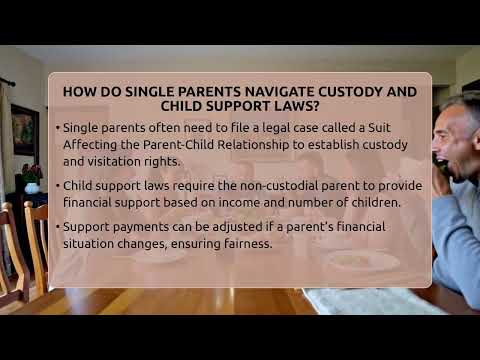
When it comes to single parent rights in the U.S. legal system, there are protections in place for single parents regarding custody, child support, and even access to education for their children. The law recognizes that being a single parent is challenging and offers avenues for support—like welfare benefits or grants designed specifically for low-income families.
Anecdotes also help paint this picture more clearly: Think about a friend you know who’s been raising their kid alone—juggling work schedules, school meetings, and maybe even dealing with court over custody issues. Honestly? That takes tremendous strength! Yet this same friend might also face stigma attached to being a single parent or feel pressure when making decisions about their child’s environment.
The implications here are clear: When discussing crime rates linked with family structure, one must consider all angles—economic conditions, community support systems—and remember that each situation is unique!
You know what they say: the more we understand these dynamics, the better equipped we are to foster supportive environments where everyone has a chance to thrive—regardless if they come from a two-parent home or walk this journey solo.
Understanding the Legal Rights of Unmarried Mothers: A Comprehensive Guide
Understanding the legal rights of unmarried mothers can feel like navigating a maze. But don’t worry; I’ve got your back. Unmarried mothers have several important rights that protect them and their children, and knowing these can make a big difference in their lives.
First off, let’s talk about **custody**. When it comes to custody rights, unmarried mothers are generally seen as the primary custodians of their children. This means if you have a child and aren’t married to the father, you usually have the first say in where your child lives and how they’re raised. This includes decisions on education, religion, and healthcare.
However, things can get tricky if the father decides he wants custody too. In that case, it might turn into a legal fight where both parents present their case to the judge. The court always has to think about what’s best for the child, which is often referred to as “the best interests of the child” standard.
Now let’s touch on **child support**. If you’re a single mom, you have every right to seek financial help from your child’s father. Once paternity is established—usually via DNA testing or acknowledgment—you can file for child support through state agencies or even ask for it during your custody proceedings. That money isn’t just extra cash; it’s essential for covering basic needs like food and shelter.
You should also know about your **health care rights**. If you’re pregnant or just had a baby, health care shouldn’t be a struggle because there are laws like Medicaid that can help eligible single mothers cover costs related to pregnancy and childbirth. Having access to prenatal care is crucial not just for moms but also for the little ones inside.
Another significant point is about **social services & benefits** available to unmarried moms. Many states offer programs specifically designed to assist single parents with things like food stamps (SNAP), housing assistance, or temporary cash assistance (TANF). Don’t hesitate to reach out and find out what’s available in your area!
And then there’s **education benefits**. Single moms often qualify for various grants or scholarships aimed at helping them further their education while balancing parenthood. Programs like Pell Grants or local scholarships could help alleviate some financial pressure while you chase those career dreams.
It’s also essential not to forget about legal protections against discrimination in many areas of life—including workplace discrimination based on parental status or marital status—ensuring that being an unmarried mother doesn’t negatively impact your job opportunities.
In terms of jury duty or civic responsibilities, well—single parents are usually expected to serve unless they can show they genuinely can’t do it without undue hardship on their family life.
Lastly, it’s worth mentioning that every situation is unique—laws differ from state to state—and sometimes you might need legal help navigating this landscape if things get complicated with co-parenting arrangements or disputes over custody.
To sum up: Unmarried mothers have several vital legal rights regarding custody, child support, healthcare access, social services eligibility and educational resources—all designed to empower them as they raise their kids alone.
So remember: knowing your rights isn’t just important—it’s empowering! You’ve got a lot more support out there than you might think!
Being a single parent is a tough gig. I mean, you’re juggling work, the kids’ schedules, and everything else—sometimes it feels like you’re a one-person circus! On top of that, understanding the legal landscape can be incredibly daunting. There are tons of laws and rights out there, especially when it comes to custody issues that come up in family court.
Let’s talk about some rights that single parents have in the U.S. legal system. First off, you’ve got the right to seek custody of your children. This is huge! Courts look at what’s in the best interest of the child, and being a loving parent who’s willing to fight for your kids definitely counts for something.
It’s also super important to know about child support. If you’re raising your child on your own and their other parent isn’t helping out financially, you can take legal action to ensure they contribute to raising them—you have every right to that support.
Now let’s shift gears a bit and look at jury duty. Have you found yourself called up for jury duty while managing all the kid’s activities? Yeah, not easy! Here’s where things get interesting: some courts recognize how being a single parent can impact your ability to serve on a jury. You can often request an exemption or deferral if serving would create undue hardship for you or your family.
I remember hearing a story about a single mom who got pulled into jury duty right in the middle of her kid’s soccer season. She had no one else to help with drop-offs or pick-ups, and she was stressing out over how she would manage it all! When she explained her situation during her jury selection process, they were understanding and allowed her to defer until after soccer season ended—thankfully!
Navigating these systems can feel overwhelming sometimes but knowing these rights makes a massive difference. It empowers single parents like you to advocate for yourselves and your kids. And remember, there are resources out there—local advocacy groups or legal aid organizations—that can offer support if you’re ever feeling lost in this maze of legal stuff.
At the end of the day, it’s all about making sure the well-being of your children is prioritized while also taking care of yourself as a parent navigating through it all.




