
The information provided in this article is intended solely for general informational and educational purposes related to U.S. laws and legal topics. It does not constitute legal advice, legal opinions, or professional legal services, and should not be considered a substitute for consultation with a qualified attorney or other licensed legal professional.
While efforts have been made to ensure the information is accurate and up to date, no guarantees are given—either express or implied—regarding its accuracy, completeness, timeliness, or suitability for any specific legal situation. Laws, regulations, and legal interpretations may change over time. Use of this information is at your own discretion.
It is strongly recommended to consult official sources such as the U.S. Government (USA.gov), United States Courts, or relevant state government and court websites before acting on any information contained on this website or article. Under no circumstances should professional legal advice be ignored or delayed due to content read here.
This content is of a general and informational nature only. It is not intended to replace individualized legal guidance or to establish an attorney-client relationship. The publication of this information does not imply any legal responsibility, guarantee, or obligation on the part of the author or this site.
Ever thought about jurors and what they really do? I mean, we hear so much about trials and verdicts, but jurors kinda sit in the background, right?
But here’s the thing: they have some serious power. Yep, those everyday folks chosen to decide cases can shape justice. It’s wild when you think about it.
So let’s dive into just how special their role is in our legal system. You might be amazed at what those jury boxes hold!
Understanding Special Jurors: Roles, Responsibilities, and Legal Implications
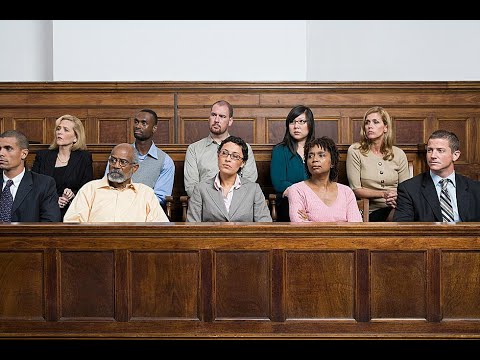
When you think of jurors, you might picture the typical twelve people sitting in a courtroom, deciding the fate of a case. But not all jurors are created equal. Enter special jurors. These are folks with unique roles and responsibilities that set them apart from regular jurors. Let’s break it down.
What Are Special Jurors?
Special jurors are appointed for specific types of cases or situations where their expertise is crucial. They’re often selected in cases involving complex issues like medical malpractice or patent disputes. The idea here is that their specialized knowledge helps the jury understand intricate details better.
Roles of Special Jurors
So, what exactly do these special jurors do? Well, they can perform functions that regular jurors typically wouldn’t handle. For example:
- Expert Testimony: They might provide insights based on their field of expertise, helping the jury make informed decisions.
- Advisory Roles: In some instances, they act more like advisors to aid in technical discussions during deliberations.
Imagine a case about a new medical device. Regular jurors might struggle to grasp technical jargon. A special juror with a medical background can bridge that gap.
Responsibilities
Special jurors carry significant responsibilities too. They must remain objective and impartial just like any other juror. This means no bias based on personal experience or expertise—easy to say but sometimes hard to practice! They also need to keep up with all the evidence presented and help translate complex concepts into simpler terms for everyone else on the jury.
Legal Implications
Now let’s chat about legal implications. The presence of special jurors can lead to different outcomes based on their input. For example, if a special juror misinterprets something or lets bias slip in, it could taint the deliberation process. Courts are strict about ensuring fairness, so any issues with special jurors can lead to appeals and mistrials.
Also, having special jurors does not change the core function of a jury; they still determine guilt or innocence based on evidence presented in court along with regular jury members.
The Selection Process
Selecting these individuals isn’t just a random draw from a hat! It’s much more complicated than that. Special skills and backgrounds are evaluated carefully during jury selection, usually through extensive questioning by lawyers involved in the case as well as judges overseeing it.
In some jurisdictions, potential special jurors may even need to prove their qualifications formally before being chosen.
Anecdote Time!
I recall hearing about a high-stakes trial regarding an environmental disaster caused by a corporation’s negligence. There were two special jurors who were environmental scientists—they helped clarify complicated ecological impacts that would have otherwise been lost on many regular folks in the room! Their contributions made such an impact that ultimately shaped how those twelve people viewed evidence presented against the corporation.
In short, special jurors play an essential role beyond your standard courtroom service – bridging gaps between complex information and straightforward justice while ensuring everyone understands what’s going down during trials involving intricate topics! They’re like secret weapons for truth-seeking in America’s legal system!
The Essential Role of a Jury in the American Legal System: Understanding its Responsibilities and Impact
The American jury system is like a cornerstone of our legal system. It’s not just about deciding guilt or innocence; it’s way more than that. Jurors play an essential role in ensuring that justice is served, and their responsibilities are both important and impactful.
When you think about a jury, what often comes to mind? Twelve people sitting in a room, listening to arguments, and then making a decision. But there’s a lot more going on under the surface. Jurors have the special authority to weigh evidence and decide what they believe happened in a case. This isn’t just some random decision-making; it’s grounded in their understanding of the facts presented during the trial.
Responsibilities of jurors include several key aspects:
- Listening Carefully: Jurors must pay attention to all the details of the case. This means focusing on witness testimonies, examining evidence, and understanding legal arguments.
- Deliberating Fairly: After hearing everything, jurors sit together to discuss what they’ve heard. They bounce ideas off one another, share opinions, and sift through emotions attached to the case.
- Applying the Law: A juror’s job isn’t just about gut feelings; it’s also about applying the law as instructed by the judge. They need to make decisions based on legal standards, not personal biases.
- Making an Informed Decision: Ultimately, jurors come together to reach a verdict—guilty or not guilty—based on what they deem as reasonable doubt.
Imagine being part of a jury for a high-stakes criminal trial. You’re probably feeling intense pressure! Your decision could change someone’s life forever. A friend of mine once served on such a jury and described how emotional it felt sitting there for days on end, listening to testimonies from victims and defendants alike. It wasn’t just about being fair; it was also about grappling with heavy moral dilemmas.
The impact of juries goes beyond individual cases too. They embody community values and have a direct say in upholding justice within society. For example:
- A jury can reflect public sentiment about certain crimes or behaviors—and that can shape future laws.
- Their verdicts can influence how cases are prosecuted moving forward.
- This system helps keep governmental powers in check by ensuring that ordinary citizens participate in judicial processes.
So when you think about it, being a juror isn’t merely about judging whether someone did something wrong or right—it really is participating in democracy itself. Every time they give their verdict, jurors help guide our society’s moral compass.
Understanding the 7th Amendment: Exploring Your Right to a Jury Trial
The 7th Amendment is a super important part of the U.S. Constitution. It gives you the right to a jury trial in civil cases. You know, those are the cases where someone usually wants money or damages instead of criminal penalties. So, if you’re ever involved in a civil suit, this amendment has got your back.
What Does the 7th Amendment Say?
The text of the amendment says that you have the right to a jury trial if the amount in controversy is more than twenty dollars. Yeah, I know, twenty bucks doesn’t sound like much today! But back when it was written, that was a decent chunk of change! The idea here is to keep things fair by letting your peers have a say in deciding important disputes.
The Importance of Jury Trials
Jury trials play a huge role in our justice system. They help ensure that ordinary people can weigh in on legal issues. It’s one thing for a judge to make decisions based on laws and precedents, but having regular folks on the jury means real-life perspectives are taken into account. You follow me?
Special Authority of Jurors
Jurors have this special authority; they literally become the voice of the community. Imagine being at home one day and then getting called to serve on a jury—suddenly, you’re part of something way bigger than yourself! You and your fellow jurors get to listen to evidence and arguments, deliberate together, and come up with a verdict.
Why This Matters
Think about it: if there were no jury trials for civil cases, decisions could just be left up to judges who may not fully understand how decisions impact everyday lives. Jurors bring their own experiences into play—a kind of communal wisdom that helps balance things out.
Limitations
However, it’s important to mention some limitations as well. The 7th Amendment only applies federally; some states have different rules about when and how juries are used in civil cases. Plus, not every case you think should go to trial will actually be decided by juries—certain things like small claims might not involve them at all.
So there you have it: understanding the 7th Amendment gives you insight into how critical jury trials are in our society. It’s not just about ticking boxes; it’s about ensuring fairness through community involvement when disputes arise!
Jurors hold a pretty unique position in the American legal system. It’s fascinating, really. You might think of them just as regular folks plucked from the streets, but they’ve got this crazy important role in how justice unfolds. Imagine you’re sitting there, in a courtroom, and all eyes are on you to help decide someone’s fate. That’s like a real-life superhero moment!
I remember when my friend Tom got called for jury duty. At first, he was super annoyed—who wants to waste a day sitting in court? But then he started talking about the case they were involved in. It was about a small business owner accused of fraud. The more he shared, the more I realized that jurors don’t just passively listen; they’ve actually got a say in what happens next. They’re deciding whether someone gets convicted or walks free!
This authority isn’t just handed out lightly. The system trusts ordinary people like you and me to interpret evidence and weigh arguments. Jurors sift through complex information and witness testimonies, trying to piece together the truth based on what they hear and see during the trial. That’s no easy task! They’re not legal experts; they’re your neighbors or that friendly barista down at your local coffee shop.
Think about it: when you’re serving on a jury, you’re part of this collective decision-making process called deliberation. You discuss with others who might have different views or life experiences than yours, which can lead to some intense conversations! There’s something powerful about that—being part of a group aiming for fairness and justice based on shared dialogue.
But here’s where it gets tricky—the pressure can be intense! Some jurors might feel unsure or overwhelmed by the weight of their responsibility. And it can be emotional too because decisions have real-world effects on people’s lives! There was also that time when Tom mentioned how difficult it was not to let personal biases creep in while making decisions.
What strikes me is how this special authority gives everyday citizens an incredible opportunity to shape justice in their communities. It’s like being entrusted with something sacred—your role can help ensure that laws are applied fairly and impartially.
In our fast-paced world where things often feel disconnected or removed from personal impact, being a juror bridges that gap between law and real life. So next time you hear someone grumbling about jury duty, maybe share how vital those folks actually are for keeping our justice system ticking—and who knows? Maybe they’ll feel inspired instead!




