
The information provided in this article is intended solely for general informational and educational purposes related to U.S. laws and legal topics. It does not constitute legal advice, legal opinions, or professional legal services, and should not be considered a substitute for consultation with a qualified attorney or other licensed legal professional.
While efforts have been made to ensure the information is accurate and up to date, no guarantees are given—either express or implied—regarding its accuracy, completeness, timeliness, or suitability for any specific legal situation. Laws, regulations, and legal interpretations may change over time. Use of this information is at your own discretion.
It is strongly recommended to consult official sources such as the U.S. Government (USA.gov), United States Courts, or relevant state government and court websites before acting on any information contained on this website or article. Under no circumstances should professional legal advice be ignored or delayed due to content read here.
This content is of a general and informational nature only. It is not intended to replace individualized legal guidance or to establish an attorney-client relationship. The publication of this information does not imply any legal responsibility, guarantee, or obligation on the part of the author or this site.
You know how sometimes you hear about a case and it just sticks with you? That’s how I felt about State Farm Mutual v. Campbell. It’s like a wild ride through the world of jury decisions and what they mean for us regular folks.
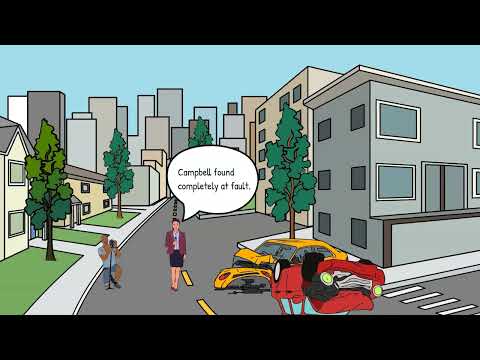
Picture this: a guy named Campbell was dealing with some serious issues after an accident. He thought his insurance company, State Farm, should have his back, right? Well, things didn’t go as planned, and it turned into this big court battle.
So, what happened next? The jury had to decide some pretty hefty matters about fairness, compensation, and—get this—the limits of insurance companies. This case isn’t just legal mumbo jumbo; it’s a peek into how laws interact with our everyday lives.
Stick around, ‘cause we’re diving into the nitty-gritty of what all this means in U.S. law and why it might matter to you.
Understanding the High Rate of Claim Denials by State Farm: Key Factors and Insights
Understanding insurance claim denials can feel like navigating a maze, especially when it comes to State Farm. It’s not just about a denied claim; it’s often about the fine print and how insurance companies decide to evaluate your situation.
First off, let’s talk about why State Farm might deny claims in the first place. One key factor is policy wording. Insurance policies can be super detailed and filled with legal jargon that confuses even the best of us. If there’s an exclusion in your policy—like maybe damage caused by flooding—it could lead to a straight-up denial. They might argue that since it’s explicitly excluded, there’s no way around it.
Another big reason is documentation issues. You might have filed a claim, but if the supporting evidence is lacking or unclear, State Farm could deny it. For instance, imagine you get into an accident and forget to take proper photos of the scene or gather witness statements. Without solid documentation, you could find yourself out of luck.
Now let’s link this to some real legal stuff—like jury decisions in cases like *State Farm Mutual v. Campbell*. In this case, juries played a crucial role in deciding that State Farm had acted in bad faith by denying claims unfairly. The court’s decisions highlighted how insurance companies are expected to act fairly and in good faith toward their clients.
But what does this mean for you? Well, understanding jury decisions can give some insight into what constitutes “bad faith.” If juries notice patterns of unfair treatment or unreasonable denials, they may side with policyholders when assessing damages.
Also, keep in mind the state laws. Each state has its own regulations governing how insurance claims are handled and what constitutes bad faith practices. This variance can lead to significant differences in how often claims are denied based on local laws.
Lastly, don’t forget about claims adjusters! These folks are responsible for evaluating your claim—deciding whether it gets approved or denied. Their training and personal judgment can affect outcomes too; sometimes personal biases creep into their evaluations without them even realizing it.
So yeah, understanding why claims get denied is really just peeling back layers of policies and practices at play behind the scenes. Getting familiar with your policy terms, keeping thorough documentation during incidents, knowing your rights under state law, and understanding jury perspectives are all key pieces if you want to navigate through the murky waters of insurance claims successfully.
Overall, while tackling a claim denial from State Farm—or any insurer—is frustrating at times, being well-informed helps put you one step closer to getting what you deserve!
Financial Impact: Analyzing State Farm’s Recent Losses and Implications for the Insurance Industry
Alright, let’s talk about State Farm and its recent financial struggles. You might have heard about how they’ve been dealing with some hefty losses lately, and it’s kind of a big deal for the insurance industry as a whole.
First off, State Farm is one of the largest insurance providers in the U.S., which means when they sneeze, a lot of other companies catch cold. When State Farm faces losses, it can lead to changes that impact customer premiums and overall service in the insurance market.
The whole situation isn’t just about numbers; it also relates back to some legal aspects involving jury decisions. Remember State Farm Mutual v. Campbell? This case was all about punitive damages and what’s deemed excessive in the eyes of the law. The jury awarded damages based on what they believed was State Farm’s bad faith in handling claims.
This ruling had ripple effects! It pushed insurers to take more care with claim handling because no one wants to be slapped with similar verdicts. Insurers started re-evaluating their practices since high punitive damages could seriously hurt their financial standing.
- Punitive damages: These are designed not just to compensate victims but also to punish wrongdoers and deter similar behavior in the future. In this case, juries might opt for larger awards if they see companies acting unfairly.
- Financial reserves: With potential high payouts looming over them, insurers like State Farm may need to keep bigger reserves. That means less available cash for investments or returning profits to customers.
- Increased premiums: To cover potential losses from claims or punitive damages, companies often raise customer premiums. If you’ve felt your insurance bill creeping up lately, this could be part of why!
The implications go beyond just one company too; they reflect on how other insurers may react. For example, smaller firms might struggle even more when faced with these realities since they don’t have the same financial cushion as big players like State Farm. Their survival could hinge on how they handle claim disputes without incurring massive penalties from juries.
This is seriously all connected! The losses at State Farm can affect your wallet down the line—through higher premiums or reduced coverage options—which is something every policyholder needs to keep an eye on. So yeah, while it may seem like an abstract issue at first glance, it directly impacts individuals who rely on these services every day.
Understanding Entitlement to Punitive Damages: Key Factors and Legal Insights
Understanding punitive damages is, like, super important in the legal world. So, let’s break it down a bit. Punitive damages are basically extra money awarded to a plaintiff on top of compensatory damages. They’re meant to punish the wrongdoer and deter similar behavior in the future. Think of it as a way for the court to send a message: “Hey, this kind of behavior is not okay!”
In the case of **State Farm Mutual v. Campbell**, which went all the way to the U.S. Supreme Court in 2003, we see how these damages can get complicated. The jury initially awarded over $145 million in punitive damages against State Farm after they acted really poorly—essentially refusing to settle a claim and dragging things out.
So what makes you entitled to punitive damages? There are some key factors:
- Malice or Recklessness: You gotta show that the defendant acted with some serious bad intent or showed a total disregard for others’ safety.
- Financial Condition: The wealth of the defendant can come into play too. If they’re rolling in dough, juries might hit them harder to make sure they feel it.
- Nature of Harm: The more serious and egregious the act, the better your chances at scoring those punitive bucks.
- Proportionality: Punitive damages shouldn’t be just out of control; there’s got to be some connection between what happened and how much you’re asking for.
The thing is, while juries have broad discretion when deciding about punitive awards, state laws can differ quite a bit—and that’s where things can get tricky.
Now back to State Farm v. Campbell: The Supreme Court eventually ruled that that jaw-dropping award was just too much! They brought up something called dollar-to-dollar comparison. This means they looked at whether what was awarded made sense when compared with compensatory damages—which were around $1 million—and found it didn’t match up.
This case sent ripples through other courts by stressing limits on punitive damages based on fair play principles. It basically reminds judges and juries everywhere to keep things reasonable.
So you can see how understanding entitlement to punitive damages isn’t just about knowing some rules; it’s also about grasping how courts look at different situations and balance fairness with consequences.
If you ever find yourself surprised by what a jury decides regarding punitive measures, just remember—their job is about holding people accountable while keeping everything fair! And hopefully, this sheds some light on this interesting aspect of law for you!
So, let’s chat about that case, State Farm Mutual v. Campbell. It’s one of those legal battles that really shows how jury decisions can shape the landscape of U.S. law and, like, influence business practices. You know?
Picture this: a family gets into a car accident, and the other driver is at fault. State Farm kinda drags its feet on offering a fair settlement for the damages. Frustrated, the Campbells go to court against State Farm. The jury, after hearing all the evidence, decides to award them a whopping $145 million! Yeah, you heard that right! But hold up; the story doesn’t end there.
What happened next was a wild ride through appeals and discussions about proportionality and fairness in punitive damages. The big question swirling around was whether that jury’s decision was reasonable or just way out there. And isn’t it interesting how personal experiences can shape what we think is “fair”? Like imagine being in the Campbells’ shoes—standing up against a giant corporation, feeling like your whole life hinges on what twelve strangers decide.
The Supreme Court eventually got involved to clarify rules about punitive damages under U.S. law. They basically said that while juries have broad discretion to award punitive damages (you know, they’re trying to punish bad behavior), these awards still need to be “reasonable” compared to the actual harm done.
Jury decisions in cases like this show how important jurors are—they’re not just random people picked off the street; they’re part of something much bigger than themselves. They help balance power dynamics between ordinary folks and corporations or institutions that often seem untouchable.
But it also raises questions about how well juries understand complex issues like insurance claims or corporate responsibility. Sometimes it seems everyone has differing views on what justice looks like based on their own stories.
So yeah, situations like State Farm v. Campbell remind us that jury decisions are pretty significant—they reflect society’s values at any given moment—and can lead to real changes in laws and regulations down the road! Pretty wild when you think about it!




