
The information provided in this article is intended solely for general informational and educational purposes related to U.S. laws and legal topics. It does not constitute legal advice, legal opinions, or professional legal services, and should not be considered a substitute for consultation with a qualified attorney or other licensed legal professional.
While efforts have been made to ensure the information is accurate and up to date, no guarantees are given—either express or implied—regarding its accuracy, completeness, timeliness, or suitability for any specific legal situation. Laws, regulations, and legal interpretations may change over time. Use of this information is at your own discretion.
It is strongly recommended to consult official sources such as the U.S. Government (USA.gov), United States Courts, or relevant state government and court websites before acting on any information contained on this website or article. Under no circumstances should professional legal advice be ignored or delayed due to content read here.
This content is of a general and informational nature only. It is not intended to replace individualized legal guidance or to establish an attorney-client relationship. The publication of this information does not imply any legal responsibility, guarantee, or obligation on the part of the author or this site.
You know how we’re always hearing about privacy these days? It’s like everywhere you turn, someone’s talking about it. But have you ever thought about how it ties into biometric data, like your fingerprints or face scans?
It’s kind of wild when you think about it. States across the U.S. are getting serious about laws to protect this info. They want to make sure companies aren’t just swiping your data without a second thought.
And then there’s the jury system, which is a whole different ballgame. How do these privacy laws affect what goes down in a courtroom?
Get comfy because we’re diving into this fascinating mix of tech and law in America today! Let’s break it down together!
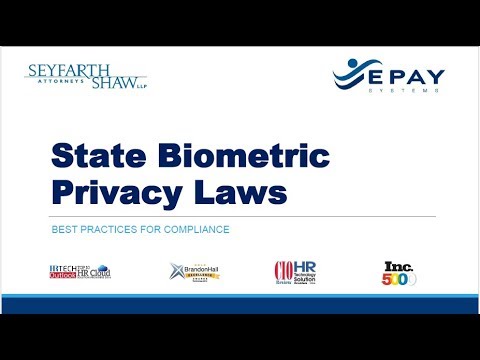
Understanding Biometric Privacy Laws in the U.S.: Key Regulations and Compliance Guidelines
Biometric privacy laws are becoming a big deal in the U.S., and if you don’t know what that means, don’t worry. Let’s break it down.
First off, when we talk about **biometrics**, we’re referring to things like fingerprints, iris scans, or facial recognition data—it’s all the unique stuff that makes you, well, you. With technology evolving at a crazy pace, more companies are using this info for identification and security. But that raises a bunch of legal questions about your privacy rights.
Why does it matter? Well, imagine walking into a store where they scan your face without asking. Creepy, right? That’s why some states have stepped up with laws to protect your biometric data.
At the heart of this legal landscape are several key regulations:
- Illinois Biometric Information Privacy Act (BIPA): This was one of the first laws in the U.S. focusing on biometrics. It requires companies to get consent before they collect biometric info and to have clear policies on how they use and store it.
- California Consumer Privacy Act (CCPA): While not solely about biometrics, it gives consumers rights over their personal data—including biometrics. Consumers can know what data is collected and can even ask for it to be deleted.
- Texas Biometric Privacy Law: Similar to BIPA, it mandates consent before collecting biometric information and states how long that data can be retained.
- Washington State Biometric Privacy Law: This one requires companies to create policies around collecting biometric info and allows individuals to sue if they believe their rights have been violated.
Okay, now let’s get real about compliance guidelines. If you’re running a business that collects biometric data:
- You need clear consent from individuals. Think about it: would you want someone using your fingerprint without asking?
- Create written policies showing how you handle this sensitive data—like where it’s stored and who has access.
- Have a specific timeframe for how long you’ll keep this info before deleting it responsibly.
- You might also want to train employees on these policies because they’ll be the ones who enforce them.
You might be wondering how these laws play out in court if something goes wrong—like if a company mishandles biometric data. That’s where the jury system comes in! If someone decides to sue for violations of these laws, they could end up going before a jury who will decide whether their rights were infringed upon.
Now let me tell you something personal: I once heard about a friend who went through airport security only to find out her facial recognition info was being used without her consent by some third-party company tracking passengers. It made her feel so exposed! Stories like hers highlight why these laws are crucial—they protect our identities in an age where technology is everywhere.
In short, understanding **biometric privacy laws** isn’t just about knowing the regulations; it’s about recognizing your rights as an individual living in today’s tech-driven world. And honestly? The conversation around this topic is only going to grow as technology continues evolving!
Exploring the First U.S. State to Enact Biometric Privacy Legislation
So, let’s talk about something that’s becoming more and more important these days—biometric privacy laws. You know, laws that protect your fingerprints, facial recognition data, and even voiceprints? These are serious issues, especially as technology becomes a huge part of our lives.
Now, you might be curious which state was the first to actually step up and pass legislation on this. Well, it was **Illinois**! Back in 2008, Illinois made waves by enacting the **Biometric Information Privacy Act (BIPA)**. It’s a big deal because it set a precedent for how states can safeguard people’s biometric data.
What does BIPA do? It requires companies to get your consent before collecting or using your biometric information. This means if a company wants to scan your fingerprint for something (like unlocking your phone), they’ve got to ask you first and be transparent about how they plan to use that data.
In practical terms, here are some key points about BIPA:
And it gets interesting with the legal proceedings around BIPA. Since its enactment, there have been numerous lawsuits stemming from alleged violations of the law. It’s not just about protecting individuals; it’s also created a lot of legal work for lawyers and courts.
Imagine a scenario where someone’s thumbprint is used without their permission at a restaurant chain’s kiosk. That person might feel like their privacy has been invaded. Under BIPA, they could take action against the restaurant—and guess what? That could lead to some courtroom drama if it goes to trial!
So why should we care about biometric privacy laws? Well, it’s all about control over our own personal information in this tech-savvy age. Consider how many times you’ve had to choose between convenience and privacy—like when signing into apps using facial recognition instead of typing passwords.
Many other states have taken notice and followed Illinois’ lead by introducing similar biometric privacy legislation. This could mean that more folks around the country will have their biometric info protected soon enough.
As we watch this area of law evolve, it’s clear that these protections are going to play an increasingly vital role in our lives—both legally and personally—so keep an eye out for updates in your state!
Understanding the Three Key Laws of Biometrics: Implications and Applications
Biometric data has become a big deal lately. You know, stuff like fingerprints, facial recognition, and even your voice. These bits of info are super personal, and collecting them raises some eyebrows about privacy. That’s why several states have put laws in place to protect you. Let’s break down the three key laws surrounding biometrics.
1. Illinois Biometric Information Privacy Act (BIPA)
This is probably the most well-known law in the U.S. concerning biometrics. BIPA was enacted back in 2008 and aims to protect individuals from unauthorized collection and use of their biometric data. What makes it stand out? It’s got pretty strict requirements for companies.
For example, businesses must inform you about the purpose of collecting your biometric info, how long they’ll keep it, and get your consent first! If they fail to do that and misuse your data, you can sue them for damages—seriously! The thing is, this act sets a high bar for compliance.
2. California Consumer Privacy Act (CCPA)
California’s CCPA is a broader privacy law but includes biometric data as part of its protections. Under this law, if you’re a California resident, you have specific rights when it comes to your personal information.
For instance, companies must tell you what kind of personal info—including biometrics—they collect and how they use it. Plus, you have the right to ask them to delete your info if you want—pretty powerful stuff! This act has also inspired similar legislation in other states because it really gets people thinking about their privacy rights.
3. New York Biometric Privacy Laws
New York is catching up too! While there isn’t a standalone biometric law like BIPA yet, New York has been exploring regulations around biometric data collection through its consumer protection measures. The state’s approach focuses on ensuring that any collection or processing must be transparent and secure.
They’re considering proposals where businesses would need to implement strict security protocols while handling biometric data—as if they’re guarding Fort Knox or something! And violations could lead to hefty fines or legal action from both consumers and the state itself.
Now let’s touch on how these laws play into the jury system a bit more directly because this is where things can get real interesting!
When cases involving biometric data make it to court—like if someone feels their rights were violated under BIPA or CCPA—the jury often gets tasked with deciding whether there was actual harm done due to misuse or unauthorized access to that data. They’ll evaluate things like whether proper consent was obtained or if the company followed legal requirements regarding storage and security measures.
Here’s where emotions come into play too; imagine jurors hearing testimonies from people whose identities were stolen because their fingerprint scan was mishandled by a company they trusted. That’s not just numbers; it’s people’s lives being disrupted!
So yeah, understanding these key laws surrounding biometrics helps raise awareness about your privacy rights while also showing how critical it can be when cases hit the courtrooms—especially concerning how juries will react based on emotional testimonies versus cold hard facts.
In summary:
- BIPA sets strict standards for companies that collect biometric information.
- CCPA gives Californians rights over their personal information including biometrics.
- NY Regulations are developing but focus on transparency and security.
Navigating this space can feel complicated at times but knowing these laws gives you some footing—and who wouldn’t want that?
So, let’s chat about biometric privacy laws and how they intersect with the jury system in the U.S. It’s pretty interesting.
You know, we live in a time where our faces, fingerprints, and even our irises can be scanned, analyzed, and stored without us even realizing it. I mean, think about it—every time you unlock your phone or check into an airport, there’s a good chance your biometrics are getting logged somewhere. Some states got super proactive about this with laws to protect your biometric data from being misused. For example, Illinois has the Biometric Information Privacy Act (BIPA), which is pretty strict about how companies can collect and use that data.
Now here’s where it gets a bit tangled with the jury system. Imagine you’re on a jury for a privacy case involving someone whose fingerprint was taken without their consent. This person could feel betrayed because their most personal information was just collected willy-nilly! And as jurors, you’re supposed to weigh the facts impartially. But how do you truly do that when you might have your own feelings and experiences related to biometric data?
Picture this: one juror might have had their image used in a marketing campaign without permission (this stuff happens!), while another might work for a tech company that relies heavily on biometric systems to function. Their backgrounds could influence how they view the case. You see where I’m going? The personal experiences of jurors can shape deliberations in ways that are hard to predict.
In some states, as courts dive deeper into these privacy issues, there’s potential for more cases that relate directly to how juries view biometrics—that line between protecting personal information and allowing legitimate uses of technology is blurry at best.
Plus, if you’re sitting on such a case and you’ve already got biases about technology invading your privacy (or maybe not!), those feelings could totally sway discussions among jurors, right? So it’s crucial for jurors to understand those feelings and set them aside during deliberations.
At the end of the day, biometric privacy isn’t just about laws—it touches upon real-life experiences that can dramatically shift how justice is served through our jury system. It’s a lot to think about! The balance between tech innovation and personal rights is one tightrope we’re all walking together these days.




