
The information provided in this article is intended solely for general informational and educational purposes related to U.S. laws and legal topics. It does not constitute legal advice, legal opinions, or professional legal services, and should not be considered a substitute for consultation with a qualified attorney or other licensed legal professional.
While efforts have been made to ensure the information is accurate and up to date, no guarantees are given—either express or implied—regarding its accuracy, completeness, timeliness, or suitability for any specific legal situation. Laws, regulations, and legal interpretations may change over time. Use of this information is at your own discretion.
It is strongly recommended to consult official sources such as the U.S. Government (USA.gov), United States Courts, or relevant state government and court websites before acting on any information contained on this website or article. Under no circumstances should professional legal advice be ignored or delayed due to content read here.
This content is of a general and informational nature only. It is not intended to replace individualized legal guidance or to establish an attorney-client relationship. The publication of this information does not imply any legal responsibility, guarantee, or obligation on the part of the author or this site.
You know those moments when life throws you a curveball? Like, maybe you’re dealing with a family emergency or heading out for an extended trip. It’s kind of a hassle, right?
Well, here’s where the temporary power of attorney comes in. It’s like having a backup plan on standby. Imagine giving someone you trust the ability to handle your stuff while you’re away or unable to make decisions.
That way, they can step in and manage things without missing a beat. I mean, who doesn’t want peace of mind when life gets hectic? So let’s break it down and see what this whole thing is about!
Understanding Temporary Power of Attorney: Definition, Uses, and Benefits
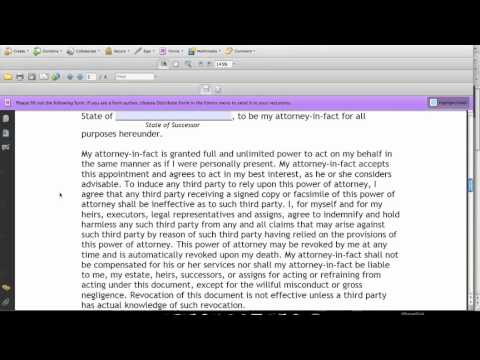
Temporary Power of Attorney, or TPOA, is basically a legal document that lets someone else make decisions for you temporarily. It’s like saying, “Hey, I trust you to handle this while I’m busy or unable to.”
You might wonder when you’d need a TPOA. Well, there could be various situations. Maybe you’re going on a long trip and can’t handle your finances. Perhaps you’re recovering from surgery and need someone to manage your health care decisions for a while. When life throws you a curveball, having this document can be super helpful.
Now, let’s get into some cool details about how TPOA works.
- Definition: A Temporary Power of Attorney is legal authority granted to someone (called the agent) to act on your behalf for a specific time period or specific purpose.
- Duration: Unlike a general power of attorney that lasts until revoked or until death, a TPOA is typically in place for a limited time, which you specify.
- Uses: You can use it for various reasons—handling bank accounts, signing documents, managing real estate transactions, or making health care decisions.
- Legal Requirements: Each state has its own rules regarding how to create and execute a TPOA. Usually, it’ll involve signing the document in front of witnesses or getting it notarized.
- Benefits:
- You maintain control: You decide who the agent is and what powers they have.
- This can save time during emergencies: Instead of waiting on courts to appoint someone if you’re incapacitated, your chosen agent can jump right in.
- You can specify limits: Feel free to outline very clearly what decisions the agent can make so they don’t overstep their bounds.
Let’s say you’re heading off on an exciting hiking trip through the Andes Mountains—awesome! But maybe you need someone back home to sell your car while you’re away. A Temporary Power of Attorney would enable your buddy to sign off on the sale without any drama.
But remember: even though it’s called “temporary,” it’s still important stuff. Make sure whoever you choose as your agent is trustworthy because they’ll have access to personal information and control over certain aspects of your life.
The legal world might feel intimidating sometimes; however, having tools like Temporary Power of Attorney help give you peace of mind when life gets complicated. Wanting flexibility? That’s what this is all about!
Understanding the 4 Types of Power of Attorney: A Comprehensive Guide
Power of attorney (POA) is a super handy legal document. It basically lets someone act on your behalf, especially when you can’t do it yourself. And just to keep things interesting, there are different types of power of attorney. Let’s break this down into four main categories.
1. General Power of Attorney
This one is pretty straightforward. It gives someone the authority to make all kinds of decisions for you—financial, legal, maybe even medical stuff—depending on how it’s written up. You might want this if you’re traveling abroad or if you’re dealing with a serious illness and can’t handle your affairs for a while. Imagine your friend Bob going on a wild adventure in Europe. He’d need someone to manage his bank accounts back home, right? So he’d set up a general POA for his sister Jenny.
2. Durable Power of Attorney
Now, the durable power of attorney takes it up a notch. This doesn’t just end if you become incapacitated or unresponsive—like in cases of severe illness or injury—it stays effective until you die or revoke it! Pretty solid protection if you think about it. So say Grandma Lucy has Alzheimer’s; she could set up this POA so that her daughter can manage her affairs without interruption while Grandma can’t.
3. Limited (or Special) Power of Attorney
This type is specified for certain situations only—it’s like giving someone a temporary backstage pass rather than full access to the stadium! You might use it just for one particular financial transaction or decision, like selling your car while you’re away on vacation. So let’s say your buddy Mark wants to sell his bike but knows he can’t be around to handle the sale. He could give his cousin Tara limited power to do that specific task.
4. Medical Power of Attorney
This one’s crucial when you’re talking about health care decisions. You designate someone to make medical choices for you when you’re unable to communicate—maybe after an accident or surgery recovery where you’re out cold and can’t speak for yourself. Picture Sarah getting into an unfortunate car accident; she has set up her best friend Lisa as her medical POA so Lisa can make those tough health care decisions during that time.
There ya go! Each type serves its own purpose and can really help in different scenarios when life throws curveballs at us, whether it’s travel plans gone awry or unexpected health issues popping up outta nowhere! Just remember, choosing the right person is key—they should be trustworthy and understand your wishes completely because they’ll have significant control over important aspects of your life when things get tough.
How to Quickly Obtain a Power of Attorney: A Step-by-Step Guide
Getting a Power of Attorney (POA) can seem daunting, but it’s pretty straightforward, especially if you’re looking for a temporary one. This type of document gives someone else the authority to act on your behalf for a specific period or task. So, let’s break it down!
1. Understand What You Need
First things first, decide what type of authority you want to grant. A temporary POA is typically used in situations where you can’t be there to handle your own affairs—think medical decisions while you’re out of town or managing finances during an extended absence.
2. Choose Your Agent Wisely
Pick someone you trust completely. This could be a family member or a close friend. You wanna be sure they’ll act in your best interest while you’re away, so think long and hard about this choice.
3. Get the Right Form
Next up, find a suitable form for your power of attorney. Many states have their own templates, which makes it easy to get started. You can usually find these forms online through state government websites or legal aid resources.
- State-Specific Templates: Always check if your state has specific requirements or formats.
- Legal Aid Options: If you’re unsure about anything, consider reaching out to local legal aid services for guidance.
4. Fill Out the Form
Now comes the paperwork! Fill out the form carefully with all necessary details: your name, the agent’s name, and the specific powers you’re granting them. Don’t forget to mention how long this POA will last—this is key for a temporary arrangement.
5. Sign and Notarize
Most states require that you’ll need to sign the document in front of a notary public or witnesses—this step adds an extra layer of security and legitimacy to your POA.
6. Distribute Copies
Once it’s signed and notarized, make several copies! Give one to your agent and keep one for yourself. It’s also wise to provide copies to any organizations or institutions that may need them—like banks or hospitals.
A Quick Anecdote:
I remember when my buddy Sam had to leave town for a job opportunity but needed someone to manage his finances back home because he was worried about bills racking up while he was gone. He got his sister as his agent through this whole POA process—it only took him an afternoon! It really took stress off his plate since he knew she’d handle everything seamlessly.
The Fine Print
Keep in mind that some states might have specific rules regarding what powers can and can’t be delegated through a temporary POA, so always check local laws before finalizing everything!
Getting a temporary power of attorney isn’t as complicated as it might seem at first glance! Just take it step by step, and remember: having someone trustworthy looking out for you while you’re away can really give peace of mind!
You know, when life throws you a curveball—like an unexpected illness or needing someone to handle your affairs while you’re away—it can be a bit overwhelming. That’s where the temporary power of attorney comes into play. Essentially, this legal tool allows you to give someone else the authority to act on your behalf, but only for a limited time or specific purpose.
Imagine you’re heading off on that long-awaited vacation, and just before you leave, your doctor tells you about a sudden surgery that can’t wait. You need someone trustworthy to manage everything—the bills, maybe even making healthcare decisions—while you’re out of commission. That’s where this temporary power of attorney shines. It’s like handing over the keys to your castle for a little while.
But here’s the thing: it’s not something you want to casually throw around. There’s a lot of thought that should go into choosing who gets this authority because it can feel like giving someone the keys to your life, right? You want it to be someone responsible—a close friend or family member who knows what you’d want.
When creating this document, it’s important to be clear about what powers you’re granting and the time frame. Are they just paying bills? Making medical decisions? You gotta spell it out! Otherwise, things could get messy—and nobody wants unexpected surprises when they’re already in a tough spot.
And let me tell ya, there’s something oddly comforting about knowing there’s a plan in place if things go sideways. You don’t have to worry about leaving everything behind; you’ve created a safety net for yourself.
So yeah, while it might seem like just another piece of paperwork at first glance, having a temporary power of attorney can really make all the difference when life gets uncertain. Just remember: choose wisely and communicate clearly about what you need!




