
The information provided in this article is intended solely for general informational and educational purposes related to U.S. laws and legal topics. It does not constitute legal advice, legal opinions, or professional legal services, and should not be considered a substitute for consultation with a qualified attorney or other licensed legal professional.
While efforts have been made to ensure the information is accurate and up to date, no guarantees are given—either express or implied—regarding its accuracy, completeness, timeliness, or suitability for any specific legal situation. Laws, regulations, and legal interpretations may change over time. Use of this information is at your own discretion.
It is strongly recommended to consult official sources such as the U.S. Government (USA.gov), United States Courts, or relevant state government and court websites before acting on any information contained on this website or article. Under no circumstances should professional legal advice be ignored or delayed due to content read here.
This content is of a general and informational nature only. It is not intended to replace individualized legal guidance or to establish an attorney-client relationship. The publication of this information does not imply any legal responsibility, guarantee, or obligation on the part of the author or this site.
So, let’s talk about something that affects a lot of folks: housing disputes. You know, stuff like broken leases, security deposits, and all that jazz. It can feel like a total nightmare sometimes.
You try to figure out your rights as a tenant or even think about going to court. That’s when it gets real complicated. Just imagine being in front of a jury, trying to explain your side! It’s kind of like playing chess without knowing the rules.
But don’t sweat it! We’re gonna break down how this whole tenants court thing works in the U.S., step by step. Seriously, you’ll want to be armed with the right info before facing those housing battles. So grab your favorite drink and let’s dive into this together!
Exploring Tenant Right to Counsel Laws: A Comprehensive Analysis of Trends and Practices (2017-2024)
Navigating tenant rights can be a bit of a maze, especially when it comes to the right to counsel in housing disputes. From 2017 to 2024, there’s been a noticeable shift in how courts are handling these issues. Some places are really stepping up and providing more support for tenants, while others lag behind.
First off, let’s talk about what the **right to counsel** means for tenants. Basically, it’s about having access to a lawyer when facing eviction or housing issues. It might sound like common sense, but many tenants find themselves in tricky situations without legal help. You know how overwhelming it can feel when you’re up against powerful landlords or property management companies.
One big trend is the growing recognition that having an attorney improves outcomes for tenants. Studies show that when tenants have legal representation, they’re less likely to be evicted and more likely to win against landlords who might try to cut corners. It’s like walking into a chess game with all your pieces intact vs. walking in with just pawns.
In recent years, several cities and states have started implementing **laws that guarantee the right to counsel** for low-income renters facing eviction. For instance, **New York City’s law**, enacted in 2017, is one of the most comprehensive. They provide free attorneys for those who qualify—so if you’re struggling financially and facing eviction, you’ve got resources at hand!
Another noteworthy example is **San Francisco**, where similar measures took effect around 2018. The goal here is clear: keeping people housed and preventing homelessness from spiraling out of control.
But not every place has jumped on this bandwagon. In some states, particularly where housing costs are skyrocketing but laws haven’t caught up yet, tenants often have little protection and might find themselves without an attorney during critical moments in court.
Looking at this topic over the last several years leads us into what I like to call “the patchwork quilt” of tenant rights across the country:
- Variability: Some areas have robust protections; others don’t offer much at all.
- Funding challenges: Providing public defenders or tenant lawyers requires money—something that’s often stretched thin.
- Outreach efforts: Many organizations are stepping up by educating renters about their rights; awareness is key!
The thing is—these laws aren’t just about making sure everyone has an attorney; they symbolize a broader understanding of housing as a basic human right. If we think about it emotionally for a second—imagine being told you could lose your home tomorrow without anyone to help you fight back against it. Pretty scary stuff!
Overall, the landscape between 2017 and 2024 shows progress but still highlights significant gaps in access based on geography and financial status. Hopefully, as awareness grows and more cities take action, we’ll see even more improvements moving forward—because no one should face eviction alone!
Ensuring Access to Counsel in Eviction Cases: Legal Rights and Implications
When you think about eviction cases, it’s important to realize how much might be at stake. Seriously, you could be losing your home. That’s why having access to a lawyer is super crucial. It’s not just about having someone in your corner; it’s about understanding your rights and what options you have.
First off, let’s talk about legal rights. Under the U.S. Constitution, everyone has the right to due process. This comes into play during eviction proceedings, where landlords often have the upper hand because they usually have more resources. But guess what? That doesn’t mean tenants are left without help or hope. You’re entitled to legal representation in court, which can make a huge difference in the outcome of your case.
Now, it gets even more interesting when you look at local laws. Some cities and states have started recognizing that tenants need support. This means they’ve put in place programs or statutes that can provide free or low-cost legal aid for eviction cases. For example, places like New York City have initiatives in place aimed specifically at ensuring tenants get counsel during these tough times.
Think about this: If you find yourself facing an eviction notice without a lawyer, you’re kinda like a fish out of water—struggling to navigate a system that may feel overwhelming and intimidating. With the right legal help though, you might find defenses against eviction that you didn’t even know existed! For instance:
- You could argue that your landlord didn’t follow proper procedures.
- Perhaps you’re being evicted for reasons that aren’t lawful, like retaliation for complaining.
- You might be able to negotiate payment plans if back rent is an issue.
And here’s where things get real: having legal representation can influence not just individual cases but also broader community health and stability. When people are represented well in court, they’re less likely to face homelessness or severe housing insecurity.
Now let’s face some implications of not having access to counsel during these proceedings. Without proper representation:
- You might accept a settlement that isn’t fair.
- You could end up missing critical deadlines or filing requirements.
- Your chances of winning on appeal could decrease significantly without guidance.
These consequences aren’t just numbers on paper; they affect lives! Imagine a single mom trying to hold it all together while juggling work and kids. Without legal aid, she might lose her home simply because she didn’t understand her rights.
Essential Legal Representation for Tenants: Understanding Your Rights and Options
When you’re renting a place to live, it’s super important to know your rights and options as a tenant. Seriously, understanding these can save you from a world of pain when disputes pop up with your landlord. So let’s break things down a bit.
First off, what exactly are your rights? Generally, tenants have the right to safe housing, privacy, and to be free from discrimination. If your landlord is ignoring maintenance issues that affect your safety or comfort—like a leaky roof or no heat in the winter—that’s not just bad form; it might be illegal!
But what can you do if your landlord isn’t playing fair? That’s where having legal representation can come into play. You might think lawyers are just for big cases or rich folks, but there are options out there even if you’re on a budget.
- Consulting Legal Aid: There are tons of organizations that offer free or low-cost legal assistance tailored for tenants. These groups understand tenant laws and can help you navigate through tricky situations.
- Pro Bono Services: Some private attorneys provide their services for free in certain cases. They often take on tenants’ rights issues because they want to make a difference in the community.
- Court Assistance Programs: Many local courts have programs designed to help tenants represent themselves effectively if they can’t afford an attorney. They might offer workshops or resources that guide you through the process.
You might be sitting there thinking, “Okay, but what happens in court?” Great question! If it gets to that point—and sometimes it does—it’s crucial to be prepared. The court will usually hold hearings where both sides present evidence (like photos of those pesky leaks).
What’s really important here is understanding the concept of “tenant rights.” In some areas, if you withhold rent due to unaddressed issues like habitability problems, it could actually work in your favor legally—but you’ve got to be careful how and when you do this! It’s not just about saying “I’m not paying.” It’s about doing it right so you’re protected.
If you’re thinking about taking action against your landlord or even defending yourself in court, having someone who knows the ropes can make all the difference. Imagine being overwhelmed with all those legal terms and procedures—it’s stressful! But with proper representation, it’s like having a well-informed friend by your side guiding you through everything.
Anecdote time: I once heard about this young woman who was facing eviction because her landlord claimed she wasn’t paying rent. Turns out she had proof that she’d paid every cent! She reached out to a tenant advocacy group for help. With their guidance and support during her hearing, she was able to show her proof and keep her home!
You don’t want to end up like that young woman feeling alone in a huge system when fighting for something as basic as shelter!
The bottom line is, if you’re renting, know your rights. Whether it’s access to repairs or protection against wrongful eviction—you deserve safe housing and respect from your landlord. And remember: legal representation is there for you if things get rocky!
Navigating these waters can feel daunting at times—but knowing you’re not out there without support makes all the difference. You’ve got rights; don’t let anyone tell you otherwise!
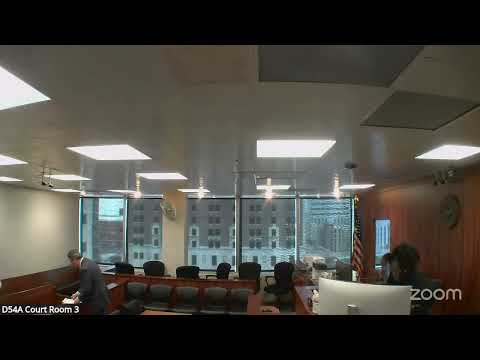
When it comes to housing disputes, a lot of people might not know this, but tenants courts are a big deal. Picture this: you’ve just moved into a new apartment, and things seem great until you discover your landlord isn’t fixing a serious leak. Now, your place feels more like a water park than a cozy home, right? It’s frustrating! So where do you turn? Well, that’s when the tenant court steps in.
Tenant courts are designed to help resolve conflicts between landlords and tenants. You’ve probably heard horror stories about these courts—long lines, complicated rules—but it doesn’t have to be that way. The American jury system plays a part here: sometimes you’ll even have a jury deciding your case if it’s serious enough.
Let’s say you decide to take that landlord to court. It sounds intimidating, I know! You might feel like David facing Goliath. But remember: the law is on your side if you know what steps to take. You show up with your documentation—photos of that leak, communication records with your landlord—even receipts for repairs you paid for yourself. This is key!
Having those details helps make your case clear cut for the judge or jury. They want facts, you know? Emotional appeals can only go so far; they need evidence! And while sitting there waiting for your case can feel nerve-wracking (like watching paint dry), keeping calm is crucial. When it’s finally your turn? Just tell your story clearly and confidently.
One thing about tenant courts is that they often want to encourage resolution rather than escalation. A lot of judges prefer seeing landlords and tenants work things out before heading straight into trial mode. Sometimes being in court helps people realize it’s better to talk things over rather than let tempers flare.
So if you’re ever dealing with housing issues that seem unfair, don’t just shrug them off! Tenant court exists for a reason—to give folks like you the power to fight back against landlords who don’t hold up their end of the deal.
It’s kind of empowering when you think about it! After all those scary stories you’ve heard about the legal system, actually stepping into tenant court can feel like taking control of your living situation again. And at the end of the day? It’s all about making sure everyone gets treated fairly in their own home sweet home!




