
The information provided in this article is intended solely for general informational and educational purposes related to U.S. laws and legal topics. It does not constitute legal advice, legal opinions, or professional legal services, and should not be considered a substitute for consultation with a qualified attorney or other licensed legal professional.
While efforts have been made to ensure the information is accurate and up to date, no guarantees are given—either express or implied—regarding its accuracy, completeness, timeliness, or suitability for any specific legal situation. Laws, regulations, and legal interpretations may change over time. Use of this information is at your own discretion.
It is strongly recommended to consult official sources such as the U.S. Government (USA.gov), United States Courts, or relevant state government and court websites before acting on any information contained on this website or article. Under no circumstances should professional legal advice be ignored or delayed due to content read here.
This content is of a general and informational nature only. It is not intended to replace individualized legal guidance or to establish an attorney-client relationship. The publication of this information does not imply any legal responsibility, guarantee, or obligation on the part of the author or this site.
So, let’s talk about non-jury trials. You know, those courtroom dramas where there’s no jury to weigh in on things? It’s a whole different vibe.
Imagine walking into a courtroom and instead of a bunch of strangers who look all serious, you just see a judge in charge. Sounds kind of intense, right?
These trials can happen for all sorts of reasons. Some cases are just too complex for a jury to tackle. Other times, it’s about speed—everyone wants to get things moving along.
The thing is, understanding how these trials work can help you grasp the legal system better. So, stick with me! We’re gonna break it down into simple terms and real-life examples that make sense.
Understanding Non-Jury Trials: A Comprehensive Guide to Their Process and Functionality
Understanding non-jury trials can be quite an eye-opener when you dive into the workings of the American legal system. So, you might be wondering what a non-jury trial actually is. Well, it’s pretty straightforward. In simple terms, a non-jury trial is when a judge decides the outcome of a case instead of a jury. This usually happens in civil cases or certain criminal proceedings, where a jury isn’t required by law.
Why choose a non-jury trial? There are several reasons for this approach:
- Complexity of the case: Some cases involve tricky legal questions that might confuse jurors.
- Speed: Non-jury trials can move faster because there’s no need to select and instruct a jury.
- Simplicity: In straightforward cases where legal rules are clear-cut, judges may make better decisions without jurors’ input.
A few years back, I heard about this guy named Tom who was in a dispute over a property line with his neighbor. They ended up in court because they couldn’t agree on where the boundary was. The judge listened carefully to both sides and cleared everything up quickly because it was mostly about interpreting some old documents. This was way more efficient than dragging a jury through all that complicated background.
The process itself looks pretty different compared to what we see in standard trials with juries:
- Pleadings: It starts with each party filing their documents explaining their side of things.
- Discovery: After that, both sides gather evidence and information from each other to prepare for court.
- Pretrial motions: Parties may file motions asking the judge to rule on specific legal issues before heading to trial.
- The hearing/trial: During the actual trial, only the judge hears the evidence and arguments presented by both parties.
Once all the evidence is in, there’s no deliberation like you’d have with juries. The judge just takes some time—sometimes minutes, sometimes weeks—to make a decision based on what he or she has heard and seen during the proceedings.
And here’s something super important: judges often provide written opinions explaining their decisions. This is crucial not just for those involved but also for future cases since it sets precedents that can guide other judges down the line.
Now, if you’re thinking about appeals—yeah, they happen too! If someone feels that the judge made an error during trial or misapplied the law, they can appeal to a higher court for review.
So basically, understanding non-jury trials gives you insight into how different types of disputes are resolved in our legal system. If you ever find yourself involved in one (fingers crossed you don’t!), at least now you’ll have an idea of how it all works!
Understanding Non-Jury Trials: Key Reasons Behind Bench Trials in the Legal System
Understanding non-jury trials—or bench trials, as they’re often called—can seem a bit tricky at first. But, it’s really about knowing when and why a judge, rather than a jury, decides the outcome of a case. So let’s break it down simply.
First off, you might wonder why some cases go to bench trials instead of jury trials. There are actually several reasons for this choice:
- Speed and Efficiency: Bench trials can be faster than jury trials. Juries need time to deliberate and decide on a verdict, which can drag things out for days or even weeks. With a single judge making the calls, decisions can come through more quickly.
- Complexity of Issues: Some cases involve really complicated legal issues that might confuse jurors. A judge has the training and experience to navigate complex laws and facts without getting flustered.
- Less Emotional Influence: Jury members can sometimes get emotionally swayed by certain evidence or testimonies. Judges are trained to focus on facts and law rather than emotions—so they might be better suited for certain cases.
- Confidentiality: Some matters deal with sensitive information that neither party wants splashed across headlines. A trial in front of a judge keeps things under wraps better than a public jury trial.
- Simpler Cases: Not all cases need the complexity of a jury trial. For smaller claims or less serious disputes, having just a judge handle things makes sense.
Now, let’s talk about what happens during these non-jury trials. The judge plays an active role throughout the whole process—much more than you’d see in front of a jury. They ask questions directly to witnesses and guide the proceedings in ways that ensure everything is on point legally.
Think about it like this: you remember that time when your friend just couldn’t get their story straight at dinner? Everyone was confused! If there was one person asking questions and clarifying things, it would’ve gone way smoother. That’s what judges do—they streamline everything.
Another key thing to note is how verdicts work in bench trials. When the judge gives their ruling, it’s not always as simple as saying “guilty” or “not guilty.” They will often write up findings of fact and conclusions of law that explain their reasoning behind decisions—this adds clarity to why they ruled the way they did.
In short, understanding non-jury trials means appreciating how they fit into our legal system’s broader picture. They offer alternatives where speed, expertise, or confidentiality are priorities over jury participation.
So next time you hear about bench trials in conversation or media reports—you’ll have some solid ground under your feet!
Understanding No Jury Trial: Implications and Legal Significance
So, let’s chat about something that doesn’t get enough airtime: **no jury trials**. You might be wondering what that even means and, more importantly, why it matters. Well, buckle up because this is actually pretty interesting!
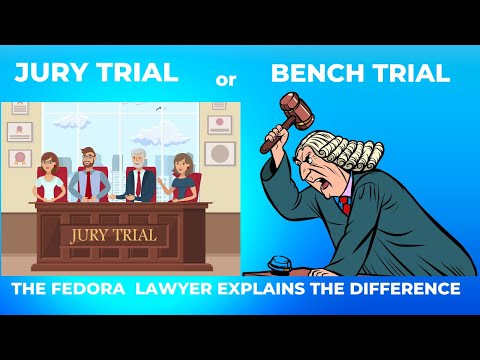
In the U.S., the right to a jury trial is a big deal—it’s part of the Sixth Amendment for criminal cases and the Seventh Amendment for civil ones. But there are situations where a jury isn’t involved. This is known as a **non-jury trial**, or sometimes called a bench trial.
What’s a Non-Jury Trial?
In a non-jury trial, the judge takes on the role of both referee and decision-maker. Instead of a bunch of jurors discussing and deliberating about your case, it’s just one person sitting there, weighing all the evidence and making the call.
Now, you might ask yourself why anyone would want to go with this option? Well, there are some key reasons:
- Simplicity: Sometimes cases can get pretty complex. By skipping the jury, you streamline things. Less time spent explaining stuff means quicker resolutions.
- Docket Pressure: Courts are busy places! A lotta cases mean judges often need to keep things moving so they can handle their caseloads.
- Expertise: If your case involves complicated stuff—say financial disputes or technical issues—a judge with experience in that field might make better decisions than jurors trying to wrap their heads around it.
But here’s where it gets tricky: since you’re relying solely on one person’s judgment, it raises certain stakes. You miss out on having that jury diversity which can be a safety net against bias.
The Emotional Aspect
Imagine for a moment your friend got in legal trouble over something ridiculous—like their neighbor’s tree falling into their yard and causing damage. Now instead of having peers discuss if they’re in the wrong or not, it’s just Judge Smith deciding everything alone based on what was presented.
It’s nerve-wracking! Your friend may feel like their case hinges on one person’s mood or understanding of the law rather than collective perspectives from everyday folks.
Another important bit? The outcome in non-jury trials tends to lean towards **legal precedent** and technicalities more than emotional appeals that you would normally see swaying juries.
Implications for Your Case
If you’re facing this kind of trial yourself—or if you’re just curious—it’s good to know some implications:
- Limited Appeal Options: If things don’t go your way, appealing might be trickier since appellate courts often defer to judges’ findings.
- Less Drama: Without jurors in play, there’s typically less courtroom theatrics. Just straight-up legal argumentation!
- Judge’s Discretion: The judge has enormous power here. They decide what evidence gets seen or how persuasive something is; there’s no back-and-forth like you’d find among jurors.
So yeah, while no jury trials can make processes quicker and potentially more straightforward with an experienced judge at helm, they also take away some layers of protection against individual bias. It’s all about weighing priorities!
In short: understanding non-jury trials helps you grasp not just court proceedings but also how decisions affect real people caught up in them—not just numbers or legalese on paper!
Non-jury trials, also known as bench trials, are a bit of a different animal in the American legal system. Unlike your classic courtroom scene with jurors weighing evidence and making decisions, here it’s just the judge who calls the shots. You might wonder, why would someone choose this route? Well, there are a few reasons.
First off, some cases just seem better suited for a judge’s expertise rather than a jury’s gut feelings. Think about complex issues—like corporate disputes or intricate laws surrounding patents—where you really need an informed perspective to untangle the facts.
I remember when my neighbor went through a tricky contract dispute with his business partner. They ended up in a trial without a jury because they thought it would help get to the bottom of things faster. And honestly? It did! The judge understood all those technical details that might have left average folks scratching their heads.
Another thing to consider is time and money. Jury trials can sometimes drag on longer and pile up costs with jury selection and extra preparations. Non-jury trials often move along quicker since there’s no need to account for twelve different opinions coming into play.
However, there are trade-offs too. With only one person deciding the outcome, there’s less of that community input that juries provide—which can feel more balanced from an emotional standpoint. If you’re part of a trial like this, you’re really putting your trust entirely in the judge’s hands.
So yeah, non-jury trials offer some unique advantages and challenges in our legal world. They can be efficient and focused but also come with their own kind of pressure since all eyes—and decisions—are on one individual instead of a group weighing in together. It’s not for everyone but definitely something to think about if you find yourself caught up in legal trouble!




