
The information provided in this article is intended solely for general informational and educational purposes related to U.S. laws and legal topics. It does not constitute legal advice, legal opinions, or professional legal services, and should not be considered a substitute for consultation with a qualified attorney or other licensed legal professional.
While efforts have been made to ensure the information is accurate and up to date, no guarantees are given—either express or implied—regarding its accuracy, completeness, timeliness, or suitability for any specific legal situation. Laws, regulations, and legal interpretations may change over time. Use of this information is at your own discretion.
It is strongly recommended to consult official sources such as the U.S. Government (USA.gov), United States Courts, or relevant state government and court websites before acting on any information contained on this website or article. Under no circumstances should professional legal advice be ignored or delayed due to content read here.
This content is of a general and informational nature only. It is not intended to replace individualized legal guidance or to establish an attorney-client relationship. The publication of this information does not imply any legal responsibility, guarantee, or obligation on the part of the author or this site.
So, you’re working from home, huh? Cozy pajamas and endless coffee refills—it’s a dream come true, right? But hold up. What happens if you get hurt while you’re doing your thing in your living room?
That’s where things start to get a bit tricky. Workers’ comp laws are usually about those office desks or factory floors, and now we’ve tossed remote work into the mix. It’s a whole new ballgame.
You might be wondering: am I covered if I slip on my dog’s toy during a Zoom call? Or what if I sprain my wrist from too much typing in bed?
This stuff isn’t just for the suits in the office; it affects all of us working from home. Let’s break down those challenges together!
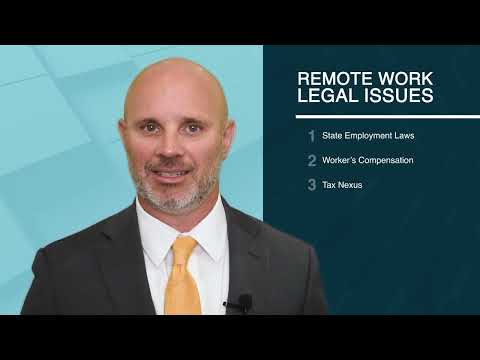
Impact of Remote Work on Workers’ Compensation: Key Considerations for Employees and Employers
Remote work has changed the landscape of many things, and workers’ compensation is no exception. As more people work from home or in hybrid settings, it raises some interesting questions. What happens if you get injured while working remotely? And what do employers need to know about this new normal?
Defining the Workplace
First off, it’s crucial to understand what constitutes a “workplace” in a remote setting. Traditionally, your workplace was your office, right? But now, it could be your home office, a coffee shop, or even your kitchen table! The law still considers these places as potential locations for work-related injuries to occur.
Injury During Work Hours
Imagine this: you’re taking a quick break at home and trip over your pet’s toys while making coffee—could that be a workers’ comp issue? It could! The key factor is whether the injury occurred while you were “in the course of employment.” If you’re on the clock and get hurt while performing tasks related to your job, there’s a good chance you may be eligible for benefits.
Personal vs. Work-Related Activities
However, not every accident qualifies. If you’re running errands or doing household chores unrelated to work when you get hurt, that’s trickier. It’s all about what you were doing at the time of injury. Courts often look into whether the injury happened during working hours and if it had anything to do with your job responsibilities.
Employers’ Responsibilities
On the flip side, employers need to adapt their workers’ comp policies for remote employees. They should clearly outline what is covered and provide guidance on how employees can report injuries sustained during remote work. This not only protects them legally but also builds trust with employees who might feel uncertain about coverage.
Documentation Is Key
Keeping track of injuries—for both employees and employers—is super important. Employees should document details like when and how an injury happened and notify their employer as soon as possible. For employers, maintaining accurate records of incidents can help clarify any disputes later on.
Legal Variations by State
Now here’s where it gets complicated: workers’ compensation laws vary by state! Some states have specific rules regarding remote work claims; others are still figuring this out. It’s essential for both parties to know their state laws regarding coverage.
The Future of Remote Work Comp Claims
As remote jobs become more common, expect more legal challenges and discussions around workers’ comp claims related to remote work. Employers may need to rethink their approach when handling claims from telecommuters—it’s an evolving topic!
In short, it’s becoming clear that both employees and employers need to stay informed about how remote work affects workers’ compensation claims. It’s not just business as usual anymore; it’s changed quite a bit—so yeah, take note!
Challenges Faced by Remote Workers: Key Issues and Solutions for Legal Considerations
Remote work has really taken off, right? And while it’s great in many ways, it brings some unique challenges, especially when it comes to legal issues like workers’ compensation. You might be thinking that working from home means a cozy gig without much hassle. But that’s not always the case. Let’s break down some key issues and solutions.
Understanding Workers’ Comp for Remote Workers
First up, let’s talk about workers’ comp. This is a system designed to cover employees who get injured or sick as a direct result of their job. If you’re remote, you might wonder if this still applies to you. It definitely can! But there are some tricky parts to navigate.
Key Challenges
- Work Location: When you’re working from home, is your kitchen table considered a workplace? In many cases, yes—but proving an injury happened while you were working can be tough.
- Personal vs. Professional Space: It can be hard to distinguish between what happens during work hours and what happens in your personal life. If you trip over your dog while on a work call, is that covered?
- State Laws Variability: Workers’ comp laws vary by state. Some states are more lenient with remote workers than others.
Anecdote Time!
Let me share a quick story. A friend of mine was setting up for a virtual meeting in her home office—her cat decided it was the perfect time to jump onto her keyboard! She ended up with a nasty scratch on her arm that required medical attention. Now, she was left wondering if she could file a workers’ comp claim because technically, she got hurt while “working.” It was complicated and she had to fight tooth and nail to prove it was work-related.
Pursuing Workers’ Comp Claims
If you’re injured at home while working, here’s how you can tackle making a claim:
- Document Everything: Keep records of your injury and anything related to the incident—photos help!
- Report ASAP: Report any injuries to your employer quickly—delays can complicate things.
- KNow Your Rights: Familiarize yourself with your state’s laws on remote work and workers’ comp.
Solutions for Companies
Employers aren’t off the hook either; they have responsibilities here too:
- Create Clear Policies: Have guidelines that cover what’s considered work-related at home.
- Training Programs: Educate employees on safety in their home office setups.
- Cover Equipment Costs: Investing in ergonomic equipment can help reduce injuries in the first place.
In short? Working from home isn’t just about comfy sweatpants; it’s important for both employees and employers to understand their rights and responsibilities when it comes to legal protections like workers’ compensation. Balancing safety with flexibility is key as we navigate this evolving landscape together!
Understanding Your Legal Right to Work Remotely in the U.S.: Key Considerations
You know, remote work has become a big deal lately. But there are still tons of questions about the legal side of things, especially when it comes to your right to work from home—like, what if you get hurt during your work hours? That’s where workers’ comp enters the picture!
Understanding Your Legal Right to Work Remotely
So, here’s the scoop. In the U.S., there isn’t a one-size-fits-all law about remote work rights across all states or industries. Basically, it boils down to what your employer offers and what’s written into your employment contract. Some companies are super flexible and allow their employees to work from wherever they want; others? Not so much.
Workers’ Compensation Claims
When you’re working remotely, you might think that workers’ comp laws don’t apply, but that’s not entirely true. If you get injured while doing your job—from tripping over a dog while on a Zoom call to hurting your wrist typing away—you could be eligible for benefits. But hold up! Proving that injury happened while working can be tricky. You’ll need to show that your injury directly relates to job duties.
Key Considerations:
- Your Work Environment: Is it set up like an office? Having a dedicated workspace can help strengthen your claim if something goes wrong.
- Company Policies: Check if your employer has specific remote work guidelines. They might outline how they handle injuries while working from home.
- Documentation: Keep records of your work activities and any incidents. It’s like having proof that you were in “work mode” when something happened.
- Status as an Employee vs. Contractor: If you’re an independent contractor, workers’ compensation laws may not apply the same way they do for regular employees.
Think about this: imagine you’re working late at night in your PJs (not judging!). You spill coffee on yourself and slip trying to clean it up—can you get comp for that? Maybe! But again, you’ll have some hoops to jump through.
The Role of Employers
Employers have a responsibility too. They should keep their employees informed about safety measures even when working remotely. If they neglect this duty and someone gets hurt due to unsafe conditions at home, they could be in hot water legally.
Your Rights
Remember that state laws can really shape how these situations play out. In some areas, remote workers enjoy stronger protections than in others; some states don’t even recognize telecommuting injuries under workers’ comp! So it’s important for you to research the specific rules where you live.
In short, while remote work opens up new opportunities for flexibility and comfort—you’ve gotta stay sharp about your rights and responsibilities in this new setup! Remote does not mean unprotected; just keep informed about what protections apply so you don’t find yourself in a tough spot down the road!
So, let’s chat about workers’ comp and this whole remote work thing, because honestly, it’s becoming a bigger deal than you might think. I mean, remember when everyone was suddenly working from home in 2020? It was kind of a shock for many folks! But with that shift came some unique challenges—especially when it comes to workers’ compensation laws.
Now, here’s the thing: Workers’ comp is supposed to protect employees who get hurt on the job. It’s meant to cover medical bills and lost wages if something goes south while you’re doing your job duties. But with remote work, how do you even define what “on the job” means anymore? Like, let’s say you’re working from your cozy living room and you trip over your dog while grabbing a snack. Is that covered? It’s kind of murky waters!
A friend of mine had a run-in with this whole issue recently. She was working from home when her chair broke, and she ended up with a pretty nasty back injury. She thought she might be able to file for workers’ comp since it happened while she was working. But the claims process turned into a bit of a nightmare. The insurance company started asking questions like whether her workspace met safety standards—like who has time for that when you’re just trying to get through your emails?
That leads us to another factor: different states have different laws about what qualifies for coverage. Some states are more lenient than others, which can leave people scratching their heads about what they’re actually entitled to if something happens at home.
And then there’s the matter of proving that an injury happened during work hours or as part of work duties. You know how it is—sometimes you’re balancing laundry and conference calls at the same time! So proving your injury had anything to do with “work” can be tricky.
But it doesn’t stop there! There are also concerns about mental health injuries since those can happen just as easily when you’re isolated at home. Workers’ comp systems are often slow to catch up with things like stress and anxiety caused by long hours or burnout—the realities of remote work nowadays.
So really, as we move forward, it’s clear that workers’ compensation needs to evolve alongside these changing workplaces. We should be considering new policies that fit our current remote realities better.
In short? The balance between protecting workers and adapting legal frameworks is more necessary than ever. And who knows? Maybe we’ll see some changes coming up soon that’ll make things clearer for everyone involved!




