
The information provided in this article is intended solely for general informational and educational purposes related to U.S. laws and legal topics. It does not constitute legal advice, legal opinions, or professional legal services, and should not be considered a substitute for consultation with a qualified attorney or other licensed legal professional.
While efforts have been made to ensure the information is accurate and up to date, no guarantees are given—either express or implied—regarding its accuracy, completeness, timeliness, or suitability for any specific legal situation. Laws, regulations, and legal interpretations may change over time. Use of this information is at your own discretion.
It is strongly recommended to consult official sources such as the U.S. Government (USA.gov), United States Courts, or relevant state government and court websites before acting on any information contained on this website or article. Under no circumstances should professional legal advice be ignored or delayed due to content read here.
This content is of a general and informational nature only. It is not intended to replace individualized legal guidance or to establish an attorney-client relationship. The publication of this information does not imply any legal responsibility, guarantee, or obligation on the part of the author or this site.
If you’ve ever found yourself wondering how the court system actually works in Virginia, you’re not alone. It can seem super complicated at first.
But it doesn’t have to be! Seriously, understanding the ins and outs of courts and juries can really help if you ever find yourself in a legal pickle.
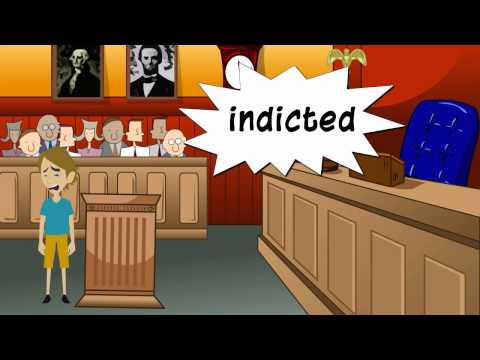
I mean, think about it! Imagine you’re sitting in a courtroom, maybe for jury duty or just trying to figure things out for someone close to you. It feels way less daunting when you know what’s going on, right?
So let’s break it down together! We’ll chat about how the Virginia court system works and what you should know about being part of a jury—just like having a casual convo over coffee!
Understanding the Trial Process: The 7 Essential Steps Explained
The trial process can seem like a big, complex puzzle, but it really has some clear steps. If you’re wondering how it works—especially in Virginia—you’re in the right place. Let’s break it down into seven main steps.
1. Jury Selection
You know that moment when you walk into a room full of potential jurors? That’s called jury selection, or voir dire, if you want to get fancy with the terminology. This is when attorneys from both sides ask questions to figure out who might be biased or unable to be impartial. If someone has had a bad experience related to the case, they could be dismissed. It’s all about getting a fair group of people who can make an honest decision.
2. Opening Statements
After the jury is picked, each side gets a chance to explain their case in what’s called an opening statement. Now, this isn’t where they present evidence—it’s more like giving a preview of what they plan to show and how they’ll do it. It’s their time to shine and set the scene for the jury.
3. Presentation of Evidence
Here comes the meat and potatoes of the trial! Each side presents their evidence and calls witnesses to testify. The prosecution—or plaintiff—typically goes first, followed by the defense. They might bring in experts or even laypeople who witnessed what happened. So let’s say there was a car accident; maybe they bring in police reports or medical records as evidence.
4. Cross-Examination
This part is super interesting because it’s where each side gets to question each other’s witnesses. Imagine being on stage at karaoke night: you want your song (or arguments) to come across perfectly while making sure your opponent hits a sour note! It allows for some back-and-forth that can reveal inconsistencies and help clarify things for the jury.
5. Closing Arguments
Once all the evidence is presented, both sides get another shot at speaking in closing arguments—kind of like wrapping up a good book after all those twists and turns! They sum up everything they’ve shown so far and remind jurors why their theory fits best with what’s been revealed during the trial.
6. Jury Instructions
Before walking into deliberation, jurors receive instructions from the judge about how to evaluate everything they’ve heard based on legal standards relevant to their case. It’s key because this helps guide them toward making an informed decision without getting lost in all that information.
7. Deliberation and Verdict
Finally! The jury heads off to deliberate—the part where they discuss everything behind closed doors until they reach a verdict! It doesn’t have any specific time limit; sometimes it takes hours while other times it could stretch for days before reaching an agreement on whether someone is guilty or not guilty.
And there you have it! Those are essentially the main steps involved in a trial process in Virginia’s court system—the ins and outs of how justice unfolds through this system are quite fascinating when you break them down like this!
Understanding the Structure of Virginia’s Court System: A Comprehensive Guide
So, let’s chat about Virginia’s court system, alright? It can be a bit complicated, but I promise it’s not as scary as it seems. Knowing how the whole thing works can give you a better grip on your rights and which court to approach if you’re ever in need.
Virginia’s Court Structure is kind of like a pyramid. At the top, you’ve got the Virginia Supreme Court, which is the highest court in the state. This court takes on appeals from lower courts and makes decisions that set important precedents. Just think of them as the final say on most legal matters in Virginia.
Moving down a level, we have the Court of Appeals. This court handles a lot of appeals too but isn’t quite as high up as the Supreme Court. If you lose your case at a circuit court level, this is where you might end up next. It kind of serves as another chance for your case to be heard.
Next down are Circuit Courts. These courts handle serious civil and criminal cases along with appeals from lower courts like general district courts or juvenile and domestic relations districts. If someone gets charged with a felony or if you’re looking at larger civil disputes (like those over $25,000), this is where you’ll go.
Then there are General District Courts. These are typically for smaller civil cases (under $25,000) and some misdemeanors. It’s here that most traffic violations get handled too. Honestly, it’s sort of like the local playground for legal issues—smaller disputes that need resolution without all the fanfare.
Don’t forget about Juvenile and Domestic Relations District Courts, which focus specifically on cases involving minors—like custody battles or delinquency issues—and domestic matters such as protective orders or spousal support.
Now let’s break down how this affects you if you’re ever called for jury duty! You might find yourself serving in one of those circuit courts when it comes to serious criminal cases or larger civil ones. Being part of a jury can seem daunting at first, but remember: juries are made up of regular folks just like you!
When sitting on a jury in Virginia’s Circuit Courts, you’ll get to listen to both sides present their arguments—like two friends debating who should pay for lunch—and then make a decision based on what you’ve heard.
In short? The structure might seem complex with all these layers—each designed to handle specific types of cases—but just knowing which court does what can save you time and headaches later on.
So there ya have it! Understanding Virginia’s court system isn’t just useful; it could even help shape someone’s future someday—even yours!
Understanding the 21-Day Rule in Virginia: Key Legal Insights and Implications
Understanding the 21-Day Rule in Virginia is super important if you’re navigating the legal landscape there. So, let’s break it down, shall we?
First off, the 21-Day Rule in Virginia generally applies to civil cases. It’s all about how long you have to respond after being served with a complaint, which is basically the document that starts a lawsuit. You know how annoying it can be when you get something unexpected in the mail? Well, that’s kind of what a lawsuit can feel like.
When you receive this complaint, you’ve got 21 days to file a response or your answer with the court. If you ignore it, bad news: you might lose automatically, and that’s called a default judgment. It’s like not showing up for an exam and hoping for a passing grade—you’re not likely to get it!
Now let’s dig deeper into why this rule matters. If you’re on the receiving end of a lawsuit, sticking to that timeline gives you a fair shot at presenting your side. Maybe you think those accusations are totally bogus! Well, by responding on time, you’re telling the court, “Hey! Wait just a minute here!”
And it’s not just about responding late; although sometimes life gets in the way—you might have been out of town or dealing with family stuff. But here’s where Virginia’s court system shows some flexibility: if you do miss that deadline but have a solid reason (like being sick), you can file for an extension. Just remember that even then, getting back into good graces with the court isn’t guaranteed.
Now picture this scenario: Imagine someone sues your buddy because they crashed their car into his fence—totally unfair! Your buddy has 21 days from when he gets served to respond. If he doesn’t? That person could waltz right in and get what they want from him—like money for repairs—without any fight at all!
So yeah, keeping track of that 21-day window is crucial if you’re tossed into any legal drama in Virginia. It’s about protecting your rights and making sure your voice is heard.
A couple more things to keep in mind:
- The 21-Day Rule applies mostly to civil cases.
- If you’re unsure how to write your response or what legal jargon means—don’t sweat it; consider reaching out for some help.
- This rule isn’t universal across states; each state has its own timelines.
Basically, understanding this rule helps set up a fair playing field for everyone involved in legal disputes. And knowing what’s expected of you can make all the difference between winning or losing before even stepping foot in the courtroom! That’s something worth paying attention to for sure!
Alright, let’s chat about the Virginia court system and the whole jury process. If you’ve ever found yourself caught up in a legal jam or just been curious about how things work, you’re not alone. It can feel like a maze, right? But understanding it can take a lot of the stress out of the situation.
First off, Virginia’s court system is divided into different levels. You’ve got your district courts at the bottom, which handle minor offenses and small claims. Then there’s circuit court for bigger issues. Think of it like climbing a ladder; the higher you go, the heavier the cases get. And if things really hit the fan, they end up in the Virginia Supreme Court.
Now, if you ever get called for jury duty—yeah, that thing everyone tries to dodge—you’ll find it’s kinda crucial. Being on a jury is like being part of something big and important. You’re helping decide someone’s fate! Picture this: imagine sitting in court while someone shares their story and all those emotions are running high. It kinda gives you butterflies thinking about it.
When you step into that jury box, it can feel intimidating at first. You’ve got to listen carefully to all the evidence presented and keep an open mind. It’s not just about what you see; it’s also about weighing credibility and intentions behind testimonies—like piecing together a puzzle.
What’s wild is that jurors come from all walks of life; you might meet someone whose job has nothing to do with law! It just goes to show how diverse perspectives can shape decisions. It isn’t always easy and sometimes people disagree vehemently—but that’s part of the process too.
I totally get how nerve-wracking it might sound: sitting in judgment of someone else based on what you hear in court. Yet there’s something incredibly empowering about knowing your role matters so much.
So yeah, while navigating Virginia’s court system might seem complex at first glance, breaking it down helps clarify things quite a bit. And if you’re called for jury duty? Embrace it! You’re stepping into an experience that makes justice happen right before your eyes—how cool is that?




