
The information provided in this article is intended solely for general informational and educational purposes related to U.S. laws and legal topics. It does not constitute legal advice, legal opinions, or professional legal services, and should not be considered a substitute for consultation with a qualified attorney or other licensed legal professional.
While efforts have been made to ensure the information is accurate and up to date, no guarantees are given—either express or implied—regarding its accuracy, completeness, timeliness, or suitability for any specific legal situation. Laws, regulations, and legal interpretations may change over time. Use of this information is at your own discretion.
It is strongly recommended to consult official sources such as the U.S. Government (USA.gov), United States Courts, or relevant state government and court websites before acting on any information contained on this website or article. Under no circumstances should professional legal advice be ignored or delayed due to content read here.
This content is of a general and informational nature only. It is not intended to replace individualized legal guidance or to establish an attorney-client relationship. The publication of this information does not imply any legal responsibility, guarantee, or obligation on the part of the author or this site.
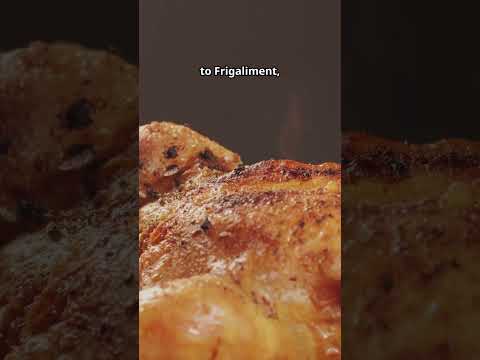
You know those rotisserie chickens you see at the store? They’re super tasty, right? But behind all that juicy goodness, there’s some serious stuff happening in the poultry world.
Many folks are stepping up and filing lawsuits against big chicken producers. And it’s not just about chicken being chicken. These cases dive deep into issues like health concerns and labor practices. Kinda wild, isn’t it?
Now, throw in the American jury system, and things get even more interesting. This is where regular people like you and me get to weigh in. It’s a way for voices to be heard—especially when it comes to something as relatable as dinner.
So, let’s unpack this whole broiler chicken lawsuit thing together. You ready?
Evaluating the Legitimacy of the Broiler Chicken Class Action Lawsuit
Evaluating the legitimacy of a class action lawsuit, especially when it involves something as ubiquitous as broiler chickens, can be pretty interesting. You’re probably wondering how this all ties into the American jury system, right? Well, let’s break it down.
First off, class action lawsuits are designed to let a group of people with similar claims against a common defendant band together. In this case, you have consumers claiming that major poultry producers did something wrong—like engaging in price-fixing or false advertising. The core question is: **Are the claims valid?**
When looking at the legitimacy of these lawsuits, there are a couple of important things to consider:
Evidence: For any lawsuit to move forward, there needs to be substantial evidence. This could range from emails and internal documents that suggest collusion among poultry companies to economic analysis proving that prices were artificially inflated.
Consumer Impact: You want to see if consumers were genuinely harmed. In broiler chicken lawsuits, that might mean evaluating if people paid more for chicken than they would have without the alleged wrongdoing. If you bought chicken and realized later you overpaid because of deceptive practices, you might just have been affected.
Legal Standards: Courts look at specific legal standards regarding class actions. They evaluate whether the group is sufficiently large and whether common issues transcend individual claims. If only a handful of folks were impacted differently than the majority, that’s problematic for class certification.
There’s also this emotional side to consider. Imagine a small family-run restaurant that prides itself on serving fresh food and suddenly finds its revenue plummeting because local suppliers hiked up prices due to manipulation from big corporations. That hits hard on personal livelihoods.
Another key aspect is
Juries often hear these cases when they go to trial. They weigh evidence and witness testimony before making decisions on whether misconduct occurred and if damages should be awarded. Jurors need to be impartial but can sometimes be influenced by emotions or compelling arguments presented during trials.
In summation (I know I said “summation” but bear with me), assessing these broiler chicken lawsuits isn’t just about legality—it’s really about understanding their societal implications too. So keep an eye out for how these cases unfold! It’ll reveal much about consumer rights in America and how our legal system steps in when big players seem out of line.
States Involved in the Raw Chicken Settlement: A Comprehensive Overview
Alright, so let’s get into this whole raw chicken settlement thing, right? It’s been quite a journey for everyone involved, especially with the numerous lawsuits surrounding the broiler chicken industry. You may have heard about it, but really, what’s it all about? Well, grab a seat because I’m breaking it down.
The saga started a few years back when several major chicken producers were hit with lawsuits alleging price-fixing and monopolistic practices. Basically, it was claimed that these companies were working together to keep prices artificially high. This isn’t just a small mess—it’s impacted consumers and farmers alike across the nation.
Now regarding the settlement, it’s essential to know which states were predominantly involved in this drama. Here’s where it gets interesting:
- California: This state has seen its fair share of lawsuits. Consumers here are particularly sensitive to pricing issues due to their high cost of living.
- Illinois: Home to many significant poultry producers, Illinois is a key player in this issue. The settlements have aimed at providing some relief to those affected.
- Georgia: Known as one of the top poultry-producing states in the U.S., Georgia has been front and center during these legal battles.
- Pennsylvania: This state also joined in on the complaints against unfair pricing practices leading to possible settlements for consumers here too.
- Tennessee and Arkansas: Both are home to major poultry processing plants and played active roles in these lawsuits as well.
What’s really fascinating is how these cases play out in court. With jury trials being an option, you might be wondering how effective juries are at sorting through all this mess? Well, juries can be comprised of everyday folks who listen to evidence and make decisions based on what they believe is fair—not just what’s black and white on paper.
You know this situation goes beyond just legal terms; there are real people affected by these prices. Think about that single mom trying to feed her kids healthy meals while contending with rising grocery costs due to alleged price-fixing. It’s heavy stuff!
At the end of it all, settlements reached do aim at compensating those impacted while hopefully preventing such things from happenin’ again in the future. It’s a complex web weaves through consumer rights and corporate practices all tied up in our justice system!
So yeah, understanding which states are involved helps paint a clearer picture of how widespread this issue really is across America! The hope is that with time and proper actions taken following these settlements, we can see more fairness when it comes to food pricing practices. That would definitely be something worth celebrating!
Key Factors Judges Consider in Broiler Chicken Evaluations: A Comprehensive Guide
When it comes to broiler chicken evaluations, especially in the context of lawsuits, judges have some key factors they seriously think about. So, let’s dig into what those are.
One biggie is the conditions of the chickens’ living environment. Judges look at whether these birds were raised in a clean and healthy place. For instance, overcrowding can lead to stress and disease. If you’ve ever seen a cramped chicken coop, you know it’s just not right!
Another factor is growth rates and feed quality. Poultry companies often have certain standards for how fast their chickens should grow. If they cut corners on feed quality or try to speed things up using questionable methods, that can become a legal issue.
Next up is animal welfare regulations. States have different laws regarding how farm animals should be treated. Judges will consider whether these regulations were followed. Imagine a farmer ignoring these laws—yeah, that could lead to some serious consequences!
Also important is documentation and record-keeping. Proper records on health inspections, medication use, and feeding practices are essential. A judge will want to see if everything was documented correctly—missing papers? Not a good sign! You can bet that documents play a huge role when deciding outcomes in lawsuits.
Judges also pay attention to consumer safety standards. This might sound technical, but it really comes down to whether the chickens are safe for people to eat. If there’s evidence of contamination or disease that sickened consumers, that’s going to weigh heavily against the poultry producer.
Then there’s the issue of corporate responsibility. If something goes wrong with broiler chicken production—like being caught using illegal additives—the judge will look into how much responsibility falls on the company versus individuals involved. They’ll want to see if the company took steps to ensure safety or just shrugged it off.
Finally, public perception can play a role too. If people are really upset about how chickens are treated or if there’s been bad press about an incident involving sick birds, judges might consider that emotional impact when they make decisions.
In summary: when judges evaluate cases related to broiler chickens, they consider living conditions, growth rates, animal welfare regulations, documentation practices, consumer safety standards, corporate responsibility, and even public sentiment. All these factors add up in those complex legal scenarios that mix agriculture with animal rights and food safety issues! It’s quite fascinating how deep this can go—and how much impact it has on both consumers and producers alike.
You know, when you think about poultry farming in America, it’s not just about chickens clucking away on some sunny farm. There’s a whole legal side to it. Seriously! Take broiler chicken lawsuits, for instance. These aren’t just your typical “who bumped into who” disputes; they often involve massive corporations and significant claims regarding animal welfare, environmental issues, and even labor practices.
So, picture this: A small farmer raises chickens but feels like the big corporations are undercutting them or maybe using unfair practices that harm their business. They might end up in court battling it out over these issues. But what’s fascinating is how the American jury system plays a role here. Juries are made up of everyday folks—not legal experts—just regular people making decisions that can impact big businesses and small farmers alike.
I remember reading about a case where a group of farmers banded together against some huge poultry producer after discovering what they believed were unethical practices concerning their treatment of chickens. You can imagine how emotional that must have been for these folks. They’re not just fighting for compensation; they’re standing up for their way of life and what they believe is right.
The jury system gives power to community members to weigh in on these matters. They bring their personal experiences and values into the courtroom, which can lead to some surprising verdicts that reflect public sentiment rather than just cold hard law.
But here’s where it gets tricky: juries don’t always have all the info or expertise at their fingertips. Imagine sitting there trying to make sense of agricultural regulations or complex scientific arguments about animal welfare. It’s no wonder that sometimes juries struggle with these cases.
And then there’s the media coverage! You’ve got tension brewing around meat production leading to heightened emotions all around—people care about how animals are treated and want transparency in their food systems. When a high-profile case comes along, like one involving broiler chickens being mistreated or something similar, it can grab headlines and sway public opinion even before a jury starts its deliberation.
In the end, broiler chicken lawsuits underscore how our legal system tries to balance big business against individual rights and ethical considerations through jury decisions made by everyday people like you and me. It’s pretty powerful when you think about it—the ripple effects go beyond the courtroom walls into our communities and food systems at large. So yeah, it’s more than just chicken—it’s really about values!




