
The information provided in this article is intended solely for general informational and educational purposes related to U.S. laws and legal topics. It does not constitute legal advice, legal opinions, or professional legal services, and should not be considered a substitute for consultation with a qualified attorney or other licensed legal professional.
While efforts have been made to ensure the information is accurate and up to date, no guarantees are given—either express or implied—regarding its accuracy, completeness, timeliness, or suitability for any specific legal situation. Laws, regulations, and legal interpretations may change over time. Use of this information is at your own discretion.
It is strongly recommended to consult official sources such as the U.S. Government (USA.gov), United States Courts, or relevant state government and court websites before acting on any information contained on this website or article. Under no circumstances should professional legal advice be ignored or delayed due to content read here.
This content is of a general and informational nature only. It is not intended to replace individualized legal guidance or to establish an attorney-client relationship. The publication of this information does not imply any legal responsibility, guarantee, or obligation on the part of the author or this site.
You know, sometimes the legal system really surprises you. Take the Chevy transmission lawsuit, for instance. It’s a wild story that’s got people talking, right?
So, a bunch of folks got together to take on a big corporation. That’s where the U.S. jury system comes into play. It’s fascinating how it lets regular people stand up against giants.
Seriously, this case not only showcases the power of ordinary citizens but also shows how the jury can be a game-changer in legal battles. You follow me?
Let’s break down what happened here and why it matters—because there’s something really powerful about seeing justice in action!
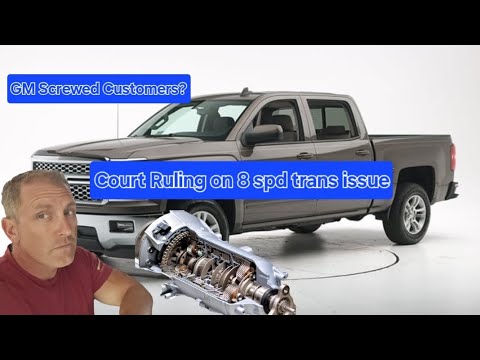
Appeals Court Decertifies GM Transmission Lawsuits: Implications of the Recent Legal Victory
So, there’s been this recent buzz about an appeals court that decertified lawsuits against GM regarding their Chevy transmission problems. That’s a serious deal and it shines a light on how our jury system works in the U.S.
Now, what does it mean to decertify a lawsuit? Well, essentially, it means the court decided that the original group of plaintiffs—those folks who banded together to sue GM—can’t do that anymore. They had hoped to pursue a class-action lawsuit, but the appeals court said “nope.” This can have pretty big implications.
First off, let’s look at why this matters. Class actions are powerful tools for consumers. When people come together to fight against a giant corporation like GM, they can amplify their voices and share legal costs. But when a court decertifies such cases, it can make it way harder for individuals to stand up against massive companies alone.
Secondly, it raises questions about how these lawsuits are managed. The appeals court cited issues related to commonality among the plaintiffs’ claims—meaning they weren’t all experiencing the same problems with their transmissions in the exact same way. That might sound technical, but what happens is you need everyone’s stories to line up closely enough for a class action to fly.
Another key point is that this ruling could lead to more individual lawsuits instead of class actions. So instead of having one big case with many people involved, each person would need to go through their own separate legal battle. This is usually not ideal since most folks don’t have the resources or time for lengthy legal procedures alone.
Let’s think about real people here. Imagine you’re someone who bought a Chevy with transmission issues. You were excited at first but now your car keeps acting up, making weird noises and leaving you stranded sometimes! Now you find out your neighbors feel similarly and thought: “Hey! Let’s stick together.” You all join forces thinking it’s an easy route with better chances against GM—only for a judge to say no thanks.
This ruling also speaks volumes about our jury system. It underscores how courts navigate complex cases and try to balance fairness with practicality. They’re trying not only to protect corporations but also aim to ensure justice isn’t compromised by mishmashing diverse claims into one suit.
Step-by-Step Guide to Joining the 2020 GM Transmission Class Action Lawsuit
Joining a class action lawsuit, like the one against GM for transmission issues, can seem, well, a bit daunting. But really, it’s just about understanding the steps you need to take. Let’s break it down.
Step 1: Understanding Class Action Lawsuits
First off, what’s a class action lawsuit? It’s when a group of people with similar claims band together to sue a company or organization. In this case, Chevy owners claim their vehicles have faulty transmissions. So by joining this lawsuit, you’re essentially saying your experience is part of a larger problem.
Step 2: Check Your Eligibility
Before jumping in, you gotta see if you qualify. If you’ve owned or leased a Chevy vehicle with the problematic transmission—like certain models of the Chevy Silverado or Equinox—you might be eligible. The thing is, specifics can really matter here.
Step 3: Find More Information
Search for the details regarding the lawsuit. You can often find updates online through legal databases or news articles focused on auto industry lawsuits. Look for information from both legal firms representing the case and independent news sources.
Step 4: Contact Legal Representatives
Once you’ve done your homework and feel informed, reach out to lawyers who are handling the case. Many firms offer consultations at no cost! This way you can ask questions and get all your doubts cleared up without any pressure.
Step 5: File Your Claim
If you decide to proceed after chatting with a lawyer, you’ll need to file a claim. Usually, this involves filling out some paperwork related to your vehicle and experiences with its transmission problems. Make sure your info is accurate!
Step 6: Stay Updated
After filing your claim, keep an eye on announcements regarding the lawsuit. You might receive emails or notifications about important developments as things progress through court.
To give you an example of how impactful class actions can be—the lawsuits against companies like Volkswagen over emissions cheating helped folks get some compensation while holding those corporate giants accountable for their missteps.
So basically, it’s not too complicated if you break it down into manageable steps! You follow me? And hey, even though legal jargon can be confusing at times, taking action alongside others who share similar issues often makes things feel less daunting in the long run.
Remember to keep track of deadlines and requirements because being late means missing out on possible compensation! And of course—don’t hesitate to ask questions along the way; that’s what legal representatives are there for!
Chevy Transmission Lawsuit: Strengths of the U.S. Jury System Highlighted in 2017 Case
The 2017 Chevy transmission lawsuit is a perfect example of how the U.S. jury system can really shine when it comes to justice. In this case, drivers claimed that their Chevy vehicles had faulty transmissions. This led to a lot of frustration and dissatisfaction among consumers. So, what went down?
First off, people took their concerns to court because they felt they were wronged. They believed that General Motors knew about the issues but didn’t do enough to fix them. This is where the jury came in. A group of everyday folks was tasked with hearing all the evidence and making a decision based on what they heard.
The jury system plays a crucial role here. It’s made up of people from the community, so it brings in diverse perspectives. You know how different backgrounds can shape opinions? That’s exactly what happened during this trial.
- Community involvement: Jurors often relate to the plaintiffs’ experiences, having faced similar issues themselves.
- Accountability: Companies like GM are held accountable when real people share their stories in court.
- Transparency: The process is open to the public; it invites scrutiny and keeps things honest.
Now, let’s talk about verdicts. The jury sided with the plaintiffs, awarding them significant damages after finding that GM had acted recklessly with its transmission design and manufacturing processes. This wasn’t just about money—although those damages were hefty—it was also about sending a message: consumers deserve safe products.
When I think about this case, I remember a friend who had a similar experience with their car not working right for ages before getting stuck on the side of the road one rainy night—not fun at all! It’s scary how much we rely on cars to get us around every day.
This case highlights that juries can deliver justice for those who might not have power against large corporations. They can level the playing field by allowing regular people to weigh in on corporate behavior. It shows how essential it is for individuals to have a voice through this system.
Also, when juries make decisions like this one, it creates pressure on companies to improve products and make safer choices moving forward. After all, no one wants another lawsuit hanging over their heads like a dark cloud!
In summary, the Chevy transmission lawsuit really showcases some solid strengths of our U.S. jury system—like community involvement, accountability for big companies, and transparency during trials. These elements help ensure that justice isn’t just an abstract idea; it’s something real people can access when facing challenges in life or against corporations.
So, the whole Chevy transmission lawsuit thing really brings to light some interesting stuff about the U.S. jury system. I mean, if you’ve been following the case, you know it’s stirred up quite a bit of chatter. People were claiming that their Chevy transmissions were faulty, and it seemed like a massive battle between everyday folks and a big corporation.
What’s cool about this situation is how it showcases the strength of juries in our legal system. Picture this: a group of regular citizens comes together to weigh in on what’s fair and just after hearing all sides of an argument. It’s kind of empowering, isn’t it? In this case, people felt they had a voice against Chevrolet, and that jury ultimately decided in favor of the plaintiffs. It illustrates how ordinary people can hold companies accountable.
I remember chatting with my buddy after he served on jury duty once. He was super nervous at first but ended up feeling so accomplished for having a say in someone’s life circumstances – it really hit home for him how much impact those decisions have. In fact, during deliberations for that Chevy case, jurors listened closely to the evidence presented: testimonies about car failures led by everyday experiences rather than just stats from engineers or corporate bigwigs.
And let’s not forget that juries can sometimes bring more compassion into tough legal situations than judges might. They help humanize cases by considering not just the laws but also how they affect real people – families relying on their cars for work or school drop-offs.
But hey, it’s not all sunshine and roses! There are challenges too. Sometimes jury decisions can be inconsistent based on personal biases or misunderstandings of technical information. Yet overall, when a jury makes a decision like in this Chevy case, you see how well they can sift through the facts and get to what seems right.
So yeah, while not every jury outcome may feel perfect to everyone involved (like think about those who disagreed with the verdict), it reminds us how vital public involvement is within our justice system—highlighting both its strength and its challenges. Pretty powerful stuff when you think about it!




