
The information provided in this article is intended solely for general informational and educational purposes related to U.S. laws and legal topics. It does not constitute legal advice, legal opinions, or professional legal services, and should not be considered a substitute for consultation with a qualified attorney or other licensed legal professional.
While efforts have been made to ensure the information is accurate and up to date, no guarantees are given—either express or implied—regarding its accuracy, completeness, timeliness, or suitability for any specific legal situation. Laws, regulations, and legal interpretations may change over time. Use of this information is at your own discretion.
It is strongly recommended to consult official sources such as the U.S. Government (USA.gov), United States Courts, or relevant state government and court websites before acting on any information contained on this website or article. Under no circumstances should professional legal advice be ignored or delayed due to content read here.
This content is of a general and informational nature only. It is not intended to replace individualized legal guidance or to establish an attorney-client relationship. The publication of this information does not imply any legal responsibility, guarantee, or obligation on the part of the author or this site.
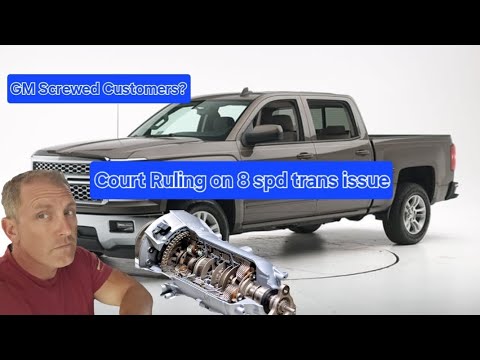
So, you’ve probably heard about the whole GMC transmission lawsuit thing, right? It’s one of those juicy cases that gets people talking. But what does it really mean?
Basically, it’s not just about car parts; it’s a window into our justice system. You know how folks feel when they think they’ve been wronged? That frustration and desire for justice?
Well, this case shines a light on that—and on how the legal system handles things like claims and lawsuits. It’s pretty wild when you think about it! Let’s dive in and see what this all really signifies for ordinary people like you and me.
Exploring Class Action Lawsuits Against GM for Transmission Issues: What You Need to Know
Alright, let’s chat about class action lawsuits, especially the ones against GM for transmission issues. It’s a pretty big deal. If you’re driving a GMC or Chevy and have been having some trouble with the transmission, you might feel like you’ve hit a rough patch. But what can be done about it?
First off, a **class action lawsuit** is when a group of people band together to sue a company for similar issues. Think of it as a collective effort to stand up against a giant—like GM! This means that instead of each person filing their own suit, they combine forces. So, if many folks are facing similar problems with their transmissions, they might join in on one case.
Why is this important? Well, dealing with auto problems can be both frustrating and expensive. You could spend loads on repairs or even face unsafe situations while driving. Class actions help consolidate these complaints into one lawsuit, making it more efficient and often more powerful.
Now, let’s focus on GM and those transmission issues. There have been claims where owners allege that several GMC models had faulty transmissions leading to problems like jerking movements or slipping gears. That’s no fun when you’re commuting!
Here’s where the law comes in: If enough individuals face the same issue and suffer damages (like repair costs), they could potentially file a class action lawsuit against GM. The key things to look out for here include:
- Commonality: Everyone involved has experienced similar problems.
- Numerosity: There are enough people affected that it makes sense to group together.
- Typicality: The claims of the representative members must align with those of the entire class.
- Fairness: The class action must fairly represent the interests of all involved.
So how does this process work? First, someone has to file what’s called a **complaint** in court detailing their experiences and outlining why they believe GM should be held accountable. After that, a motion for class certification is filed – this is where they ask the court if this case qualifies as a class action.
Once certified, GM gets notified and will likely respond with its defenses—perhaps saying that any claims are exaggerated or simply untrue! From there, things can get heated in court as both sides present their cases.
Now let’s not forget about what’s at stake here. If GM loses or agrees to settle (which happens quite often), affected owners could receive compensation for repairs or damages incurred from those pesky transmission issues. But it doesn’t just stop there; such lawsuits can also pressure companies into improving their products so future customers don’t face similar battles.
It’s like standing up to an older sibling who keeps borrowing your stuff without asking! Sometimes you need to make your voice heard so things can change for everyone involved.
In short, class action lawsuits against large companies like GM are powerful tools for consumers facing similar hardships due to faulty products—especially when safety’s on the line! If you’re dealing with these transmission woes yourself or know others who are, keep an eye on how these legal battles unfold! You never know – change may be on the horizon!
Appeals Court Decertifies Transmission Lawsuits: GM’s Legal Victory Explained
So, let’s talk about the recent buzz around the appeals court decertifying those transmission lawsuits against GM. What does that mean? And what are the implications? Grab a seat, and let’s break it down.
First off, in case you didn’t know, these lawsuits mainly revolved around claims that certain GMC and Chevrolet vehicles had major transmission problems. Drivers were pretty upset. Many said their cars would shudder, hesitate, or just behave all sorts of weirdly. You can imagine how frustrating that must be—buying a car that gives you headaches instead of smooth rides.
Now, when we mention “decertification,” we’re talking about the court deciding that the group of people coming together to sue GM as a class isn’t really valid anymore. What happens is this: when a class is certified, it means many people can combine forces against a defendant—like GM in this case—making it easier and often more affordable to seek justice. But when the appeals court stepped in and decertified those cases, it meant every driver would have to tackle their claims individually. That’s like saying everyone has to go solo into battle instead of having an army behind them.
Why did they do this? One big reason is often about whether those claiming damages have enough common ground among their experiences with the product in question. The appeals court found that there might be too many differences between drivers’ situations and experiences for them to stick together in one lawsuit.
This decision could be seen as good news for GM. They avoid a massive multi-million dollar payout if they were found liable as a group. However, for all those drivers who felt wronged by their cars? Not such great news—they may end up having to hire lawyers individually and possibly spend more time and money pursuing their own cases rather than benefiting from a streamlined process.
Here are a few key points on what this all means for justice:
Individual Claims: With the decertification, each driver will need to prove their case on an individual basis which can be costly and time-consuming.
Legal Precedent: This situation might set a precedent for future cases where large groups claim similar damages—it shows courts might lean towards requiring more individual evidence rather than accepting broad claims.
Access to Justice: It raises some serious questions about access to justice for everyday folks versus big companies like GM who might have endless resources at their disposal.
Look, how you feel about this whole situation likely depends on your personal experience with legal matters or even just your feelings towards huge corporations. Whether it’s David versus Goliath or not often depends on whose side you’re standing on!
In short, while the appeals court decision seems like a win for GM at first glance, it leaves many individuals facing quite an uphill battle if they still want justice regarding those pesky transmission issues. Sometimes law feels like just one more twist in life’s long road!
GM’s Response to Ongoing Transmission Problems: What You Need to Know
Sure! Let’s talk about GM’s response to ongoing transmission problems and how that ties into the lawsuit and its implications on the justice system. This stuff can get a bit technical, but I’ll keep it straightforward for you.
What’s Happening with GM?
General Motors (GM) has faced numerous complaints regarding transmission issues, particularly in their GMC vehicles. Owners have reported everything from rough shifting to complete failure of the transmission. This kind of problem isn’t just frustrating; it can be dangerous if, say, your car suddenly loses power when you need it most.
The Lawsuit
A class-action lawsuit has been filed against GM. Plaintiffs argue that the automaker knowingly sold vehicles with faulty transmissions and failed to take appropriate action to fix them. It’s like buying a new phone only to find out it keeps crashing—pretty annoying, right? In legal terms, this is about accountability. Customers are asking for compensation and solutions.
GM’s Response
In response to these allegations, GM has defended itself by claiming their vehicles meet safety standards and insisting that they provide proper maintenance guidelines. They argue that many issues arise from consumer misuse rather than manufacturing defects. Basically, they’re saying, “Hey, we didn’t do anything wrong!”
The Implications for the Justice System
This case is significant because it raises questions about corporate responsibility and consumer rights. If GM gets found liable (which means they’d have to pay up), it could encourage more companies to be transparent about defects in their products—no more hiding behind vague warranty policies or fine print.
- Increased Accountability: If consumers win this case, corporations might think twice before cutting corners.
- Paving the Way for More Lawsuits: A positive outcome could embolden others facing similar issues with different brands.
- Consumer Rights Awareness: This situation highlights how important it is for buyers to know their rights when buying products.
Think of it this way: if you’ve ever felt cheated when buying something defective, you know how important this fight is. It’s not just about one company; it’s about making sure everyone plays fair in the marketplace.
The court process can be long and complicated—like waiting for your car parts when they’re back-ordered—but the outcome here could lead to real changes in how consumers are treated by big companies like GM.
So yeah, as this case unfolds, keep an eye on how things go down—it might just set some big precedents!
You know, when we think about big companies like GMC and the legal messes they sometimes find themselves in, it can get pretty intense. Recently, I stumbled upon the whole GMC transmission lawsuit thing, and wow, it brings up a lot of feelings about justice and accountability.
So picture this: you’re driving down the road in your shiny new GMC vehicle. Everything’s great until suddenly your transmission starts acting all wonky. It’s frustrating! You rely on your car, right? Now picture a whole bunch of people experiencing the same thing. That’s where the lawsuit comes in—people banding together to say enough is enough.
What really gets me is how these cases highlight issues within our justice system. It’s not just about one person feeling wronged; it’s about a larger conversation regarding corporate responsibility. When companies produce faulty products that can jeopardize safety or simply don’t perform as promised, they need to be held accountable. But getting there isn’t always smooth sailing.
Imagine being a part of this lawsuit. You’re joining forces with strangers who share your frustrations but who also have their own stories and battles. That unity can be empowering! But then you have to navigate complex legal processes that are often overwhelming and confusing for everyday folks. It’s like stepping into a giant maze where every twist and turn has you second-guessing whether you’ll get through or end up lost.
And let’s not forget about how these cases can shape public perception too! They can lead to greater scrutiny of manufacturing practices and influence how consumers choose their vehicles moving forward. It’s kind of eye-opening when you think about it—one case can spark change on so many levels.
In many ways, lawsuits like these act as checks on power dynamics in society. They remind us that no one is above the law—even if they have deep pockets or a huge marketing budget. And every time victims come forward, it pushes the conversation around justice further along—driving home the point that everyone deserves safe products and fair treatment.
At the end of the day, whether you’re rooting for GMC or standing behind those bringing the lawsuit, what really matters is ensuring people feel heard and protected within our legal system. Because justice isn’t just a lofty ideal; it’s something we all grapple with day by day.




