
The information provided in this article is intended solely for general informational and educational purposes related to U.S. laws and legal topics. It does not constitute legal advice, legal opinions, or professional legal services, and should not be considered a substitute for consultation with a qualified attorney or other licensed legal professional.
While efforts have been made to ensure the information is accurate and up to date, no guarantees are given—either express or implied—regarding its accuracy, completeness, timeliness, or suitability for any specific legal situation. Laws, regulations, and legal interpretations may change over time. Use of this information is at your own discretion.
It is strongly recommended to consult official sources such as the U.S. Government (USA.gov), United States Courts, or relevant state government and court websites before acting on any information contained on this website or article. Under no circumstances should professional legal advice be ignored or delayed due to content read here.
This content is of a general and informational nature only. It is not intended to replace individualized legal guidance or to establish an attorney-client relationship. The publication of this information does not imply any legal responsibility, guarantee, or obligation on the part of the author or this site.
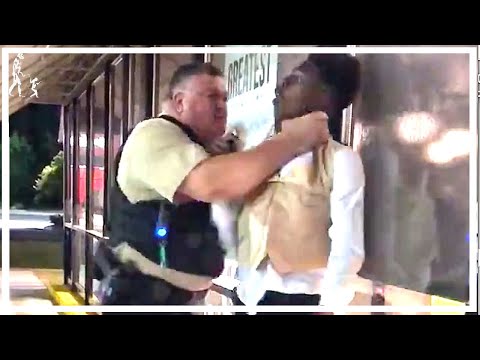
You know, we often hear about police officers and the tough job they have. But what happens when they go too far? I mean, seriously—there are real consequences for crossing the line.
That’s where civil rights law comes in. It’s like a safety net, giving everyday folks a way to hold the police accountable.
Imagine a situation where someone faces unfair treatment or abuse by law enforcement. They might feel lost and powerless. But with the right knowledge, they can actually stand up for their rights.
It’s all about balance, right? Police need to keep us safe, but we also need protection from them overstepping their bounds. So, let’s chat about how civil rights law works to keep that balance in check!
Step-by-Step Guide to Investigating Police Officer Complaints
So, you’ve got a complaint about a police officer, huh? It can be pretty overwhelming to figure out what to do next. But don’t worry, I’m here to break it down for you in a way that’s easy to understand. Let’s dive right into the steps you can take to hold police accountable.
1. Document Everything
First things first, start keeping track of everything related to your complaint. Write down dates, times, and places where the incidents occurred. If there are witnesses, get their names and contact info too. This stuff is golden when you’re trying to make your case!
2. Know Your Rights
It’s super important to be familiar with your civil rights! The Constitution gives you various protections against police misconduct. If an officer oversteps or violates those rights—like using excessive force or making an unlawful arrest—you have every right to speak up.
3. File a Formal Complaint
Next up is filing a formal complaint with the police department in question. Most departments have procedures in place for this sort of thing, usually available on their website or at the precinct itself. When you go through this process, make sure you include all that documentation from before; it’s key!
4. Follow Up
Don’t just file and forget! Keep following up on your complaint. Sometimes these things can get lost in the shuffle if you don’t nudge them along a bit.
5. Use Independent Oversight
If you’re not satisfied with how things are going internally, look for independent oversight bodies like civilian review boards or ombudsmen in your area—they’re meant to provide an extra layer of accountability! They might have more power than you’d think.
6. Consider Legal Action
If things are really serious—say you’re dealing with significant harm like injury—you might want to consider legal action based on civil rights violations under federal law (like Section 1983). Having an experienced attorney here could really help navigate those waters.
Remember that talking about these issues isn’t just about individual cases; it’s part of a bigger picture of holding police accountable for actions that violate citizens’ rights in all kinds of situations.
It’s worth mentioning that real change often comes from community efforts too! Laws can change as people speak out and demand accountability not just for themselves but also for others affected by police misconduct.
Stay strong and stay informed; working through complaints takes time but it’s essential for justice!
How to Report Police Misconduct to the FBI: A Step-by-Step Guide
Reporting police misconduct can feel overwhelming, but it’s important to know you have options. If you feel like the police have crossed a line, you can take steps to hold them accountable. One of those steps is reporting the incident to the FBI. Here’s how you can do it.
Understanding Police Misconduct
First off, let’s clarify what police misconduct looks like. This could be excessive force, racial profiling, or even corruption. You need a clear idea of what happened before you move forward.
Gather Your Evidence
Before calling the FBI, collect all relevant information regarding the incident. This includes:
- Names of involved officers.
- Your eyewitness account.
- Any photos or videos that support your case.
- Date, time, and location of the incident.
The more details you have, the stronger your report will be! Imagine being in a situation where you’ve witnessed something troubling—having that evidence is crucial.
File Your Complaint with Local Authorities First
In many cases, it’s best practice to file a complaint with local law enforcement before going straight to the FBI. This gives them a chance to investigate internally first. You usually can do this online or at your local station. It shows good faith on your part and creates a record of your complaint.
Contacting the FBI
If you’re unsatisfied with how local authorities handle your situation (or if it’s really serious), then it’s time for the FBI! Here’s how:
- Visit their website: The FBI has an online tip form that you can fill out. It’s straightforward!
- Call: If you prefer speaking to someone directly, find your local FBI office number on their site and give them a ring.
- Email: You could also send them an email detailing everything you’ve gathered.
Don’t hold back; let them know exactly what happened!
You Can Remain Anonymous
When reporting police misconduct to the FBI, remember that you can remain anonymous if you’d like. But consider whether it’s worth revealing who you are—it might strengthen your case if they need more info later.
The Follow-Up
After filing your report, don’t expect immediate results. Investigations take time! However, keep track of any communication from law enforcement so you’re not left in the dark.
And hey—if things don’t seem right even after you’ve reported it? You might want to consider reaching out to civil rights organizations for additional support.
In short, reporting police misconduct isn’t just about sticking it to ‘the man.’ It’s about making sure our communities are safe and just for everyone involved! So stay informed and empowered; you’re taking an important step towards accountability in law enforcement.
Understanding Small Town Police Harassment: Legal Rights and Remedies
What constitutes police harassment? It’s basically when officers abuse their power or act inappropriately while dealing with citizens. This could involve excessive questioning, unnecessary stop-and-frisk actions, or even threats. Sounds familiar? It’s not uncommon for people to feel intimidated during interactions with law enforcement, especially in tight-knit communities where everyone knows each other.
If you’ve experienced police harassment, the first thing to understand is your legal rights. You have the right to:
- Remain Silent: You don’t have to answer questions if you feel uncomfortable.
- Ask if You’re Free to Go: If you’re stopped by an officer, you can ask whether you’re being detained.
- Filming Interactions: It’s legal to record police activity in public spaces as long as you’re not interfering.
Let’s say you’re hanging out with friends and a couple of officers approach you for no apparent reason. They start questioning you aggressively. You can calmly ask if you’re being detained or if you’re free to leave. If they don’t have a reasonable suspicion or probable cause for a stop, then that could be a violation of your rights.
If it escalates and they cross the line—like using unnecessary force—you might want to consider filing a complaint. Most police departments have procedures for reporting misconduct internally. But keep in mind, these processes could vary widely from one place to another.
Now here’s where things could get tricky: holding police accountable. If local measures don’t seem effective, federal civil rights laws might apply. Under Section 1983 of Title 42 of the U.S. Code—wow that’s a mouthful—you can sue for damages if someone acting under state authority violates your civil rights.
It often sounds easier than it is though! These cases require solid evidence. Keeping records is super important: take notes on what happened, gather witness accounts if possible, and save any medical documents if there were injuries involved.
Another option could be seeking help from advocacy organizations that focus on civil rights—you know? Groups dedicated entirely to fighting against police misconduct. They can offer guidance and sometimes even legal representation depending on your situation.
And let’s not forget about community involvement. Sometimes change starts at home! Attending local meetings or forums about policing can give you insight into how your community operates and where improvements are needed.
Remember too that laws change over time; staying informed about your rights equips you better when facing any encounters with law enforcement.
In summary: Know your rights and understand what steps are available if you’re subjected to harassment by local cops. And yes, always trust your gut—if something feels off during an interaction with the police, seek help or report it afterward.
You know, the topic of holding police accountable through civil rights law is pretty heavy but super important. It’s all about making sure that officers don’t just get a free pass to do whatever they want. And trust me, there are definitely times when things go wrong. Like, I remember reading about a guy named Eric Garner. He was selling cigarettes in New York and ended up in a chokehold by the cops. It didn’t end well for him at all. His death sparked massive protests and discussions about police brutality and accountability.
So, civil rights laws come into play because they’re designed to protect individuals from abuse by government officials, and yeah—police are part of that group. The thing is, people often feel that their complaints fall on deaf ears when it comes to law enforcement missteps. That’s why civil rights lawsuits can be critical tools for change.
When you hear terms like “qualified immunity,” it’s worth digging a little deeper. Basically, this legal shield can prevent officers from being sued unless they violated clearly established statutory or constitutional rights. Makes you think twice about what “clearly established” really means, huh? Some folks argue that it’s made it way too hard to hold bad actors accountable.
Now, I’m not saying every cop out there is a bad apple; most are just doing their jobs. But those who cross the line? They need to be held accountable, no question about it. Civil rights lawsuits can shine a light on these incidents and sometimes compel departments to change policies or training practices.
You might also see initiatives trying to reform police departments from within—things like body cameras and community reviews of police activity. These steps can make a real difference in transparency and accountability.
In short, tackling this issue requires a mix of laws, community engagement, and ongoing conversations about justice and fairness. Everyone deserves protection under the law—even from those tasked with enforcing it!




