
The information provided in this article is intended solely for general informational and educational purposes related to U.S. laws and legal topics. It does not constitute legal advice, legal opinions, or professional legal services, and should not be considered a substitute for consultation with a qualified attorney or other licensed legal professional.
While efforts have been made to ensure the information is accurate and up to date, no guarantees are given—either express or implied—regarding its accuracy, completeness, timeliness, or suitability for any specific legal situation. Laws, regulations, and legal interpretations may change over time. Use of this information is at your own discretion.
It is strongly recommended to consult official sources such as the U.S. Government (USA.gov), United States Courts, or relevant state government and court websites before acting on any information contained on this website or article. Under no circumstances should professional legal advice be ignored or delayed due to content read here.
This content is of a general and informational nature only. It is not intended to replace individualized legal guidance or to establish an attorney-client relationship. The publication of this information does not imply any legal responsibility, guarantee, or obligation on the part of the author or this site.
You know, the U.S. legal system can seem pretty complicated. But at its heart, it’s not all that tough to get your head around—really!
One big piece of the puzzle is common law. It’s like the unwritten rules we all just kind of agree on over time. And then there’s the jury system, which is honestly one of the coolest parts of our justice system.
Imagine being a part of a group that helps decide someone’s fate. That’s some serious responsibility! Together, common law and juries shape how justice happens every day in America. So, let’s break it down a bit, shall we?
Understanding the Role of the Jury in the U.S. Legal System: Functions, Responsibilities, and Impact
The jury system in the U.S. is pretty essential to how justice works. It’s that whole idea of having a group of ordinary folks step in and help decide what’s fair and just. So, let’s break it down.
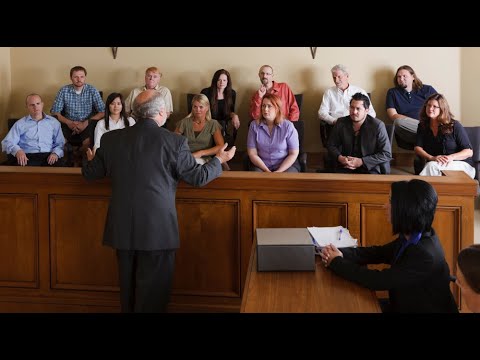
What does the jury do? Basically, when you hear about a trial, think of the jury as the deciders. They listen to the evidence presented by both sides—the prosecution and the defense—and then come to a conclusion about whether someone is guilty or innocent. This isn’t just any decision; it’s their job to make sure it’s grounded in facts.
Now, there are typically two types of juries: grand juries and trial juries. Grand juries are sort of like gatekeepers. They look at evidence to decide if there’s enough to charge someone with a crime. Meanwhile, trial juries, also called petit juries, actually hear cases in court. They’re made up of 6 to 12 members—depending on what state you’re in—and they’re crucial for deciding civil as well as criminal matters.
Responsibilities? Oh yeah, they’ve got quite a few! First off, they have to be impartial—that means no biases or preconceived notions allowed! This is super important because you can’t have someone’s fate resting on whether a juror likes or dislikes them personally. Every potential juror gets questioned during the selection process (called voir dire), where attorneys for both sides try to figure out who might be biased.
The jury also has this responsibility called duty of deliberation. After all evidence has been presented and everything’s said and done, they huddle together away from everyone else—like a tight-knit little team—to discuss what they’ve heard. During deliberation, they sift through everything to reach a consensus about guilt or innocence.
You’d be surprised at how much impact these decisions can have! Imagine being on trial for something serious like robbery or even murder—your whole life hinges on these twelve people who don’t even know you! And while it can feel intimidating (because it is), being tried by a jury is meant to keep things fair so that one person (a judge) doesn’t hold all the power.
The decisions that juries make can set precedents too—even change laws sometimes! If they rule in favor of something new or controversial, it can lead lawmakers to rethink and maybe change existing laws. This shows how deep their influence goes beyond individual cases.
Why does this matter? Because your right to trial by jury helps protect you from potential government overreach—or at least that’s the goal! It says that before anyone gets punished harshly, there should be community input through people like your neighbors sitting in that jury box.
Anecdote time: Picture Jane, who got called in for jury duty for her first time ever—nervous and unsure if she could do it right. But as she sat there listening intently during the trial about a theft case—she realized how serious her role was. When they went into deliberation later on with eleven other people she barely knew before then—it all felt surreal but powerful too! They debated back and forth but eventually reached an honest verdict based purely on evidence shared during trial—not outside opinions or emotions and Jane felt proud; she’d played her part.
This whole process shows how important everyday citizens are in maintaining justice within society. Juries aren’t just cogs in some legal machine; they’re fundamental parts of ensuring everyone gets treated fairly under the law!
The Significance of English Common Law in Shaping the American Legal System
English Common Law and Its Influence
The roots of the American legal system dig deep into English common law. When the early settlers made their way to America, they brought with them a whole lot of legal traditions. This wasn’t just some casual baggage; it shaped how laws were made and interpreted in the new world.
Common law is basically a system where judges make decisions based on previous cases, known as precedents. It’s like having a playbook for handling legal issues. If you think about it, you can see how this made things more consistent—like, you know, if one judge decided something one way, another judge might stick to that decision so everyone knows what to expect.
Now let’s break down some key points about how this all fits together:
- Judicial Precedent: The principle of following past decisions is crucial in American courts today. If a court decides on a certain issue, future cases dealing with similar facts often rely on that decision.
- Adversarial System: Our courtroom drama isn’t just for TV! It stems from common law traditions where two sides present their cases before an impartial judge or jury. The idea is to seek the truth through this competition.
- Jury Trials: This aspect is massive! English common law introduced the idea of jury trials, which means ordinary folks get to decide who’s right or wrong in legal disputes. Your peers could weigh in on serious issues like criminal charges or civil suits.
- Legal Rights and Liberties: Many principles regarding individual rights came from common law, which emphasized protecting citizens against arbitrary government actions. Think about rights like due process—you probably owe some of that to these early influences!
- Flexibility and Adaptation: Common law isn’t static; it’s adaptable. Courts can modify interpretations based on changing societal standards, allowing the law to evolve over time like a living organism.
An emotional angle? Well, imagine someone facing serious charges without a jury—that would be scary! The founding fathers recognized this need for ordinary people to have power over justice when they set up our legal framework.
Today, while we blend statutes (written laws) with case law (court decisions), we still honor that foundational influence from English common law. It’s like an old song that’s been remixed—it may sound fresh but still carries that classic vibe.
So yeah, understanding how English common law shaped our system gives insight into why things are the way they are now. It connects us back to those formative years and shows us how essential it is for fairness and justice in our society.
The Crucial Role of Juries in Upholding Justice in the American Legal System
So, let’s talk about the impact of juries in the American legal system. Juries are pretty much like the backbone of our justice system. You know how it goes—when you’re accused of something serious, having a jury is your chance to get a fair shake. This isn’t just some old-school idea; it’s built into our Constitution!
First off, what exactly is a jury? Well, a jury is a group of regular folks like you and me, brought together to listen to evidence in court and decide if someone is guilty or not. It’s all about being judged by peers—people who understand what you’re going through. Imagine being on trial for something you didn’t do. It would feel pretty good knowing that 12 everyday people are deciding your fate instead of just one judge, right?
The Sixth Amendment says you have the right to an impartial jury in criminal cases. This means jurors should be unbiased and not have personal interests in the outcome. But getting there ain’t always easy! Jury selection can be intense, with lawyers using “voir dire” to ask potential jurors questions that help figure out if they can be fair.
Now, let’s break down why juries matter so much.
- Community Voice: Juries represent community standards and values. They bring local perspectives into the courtroom which can help make sure justice aligns with societal norms.
- Checks and Balances: Juries serve as a counterbalance to government power. They keep judges and prosecutors in check by ensuring that decisions reflect community judgment.
- Transparency: A trial with a jury is generally open to the public, promoting transparency in how justice works.
- Civic Duty: Serving on a jury is one way citizens actively participate in democracy. It’s like saying, “I’m part of this!”
Think about that moment when someone stands up for their rights during jury duty amidst everyday distractions—scrolling through their phones or planning dinner! It’s kind of inspiring when you think about it.
Of course, it’s not all perfect. Juries are made up of humans who can have biases—even without realizing it! The challenge here is ensuring everyone who sits on that jury understands the importance of their role and approaches each case fairly.
There’s also something called the “jury nullification”, which allows jurors to acquit someone even if they believe they’re technically guilty because they think the law itself is unjust. It’s kind of radical but shows how powerful juries can be!
So yeah, while we’ve got judges who interpret laws and lawyers arguing cases, it’s those ordinary people on juries who ultimately ensure that justice feels real and grounded for everyone involved.
In short? Juries play an absolutely critical role in making sure our legal system stays fair and relatable—keeping it from just feeling like some abstract process that only lawyers understand! They remind us all: it’s about people—it’s about us!
You know, when you think about the U.S. legal system, it’s kind of fascinating to consider how it all fits together. Common law and juries have this significant role that really shapes the way justice is served.
So, let’s start with common law. Essentially, it’s like a collection of court decisions that build on each other over time. Think of it like a giant puzzle made up of pieces from thousands of different cases. Every time a judge makes a ruling, they create a new piece for that puzzle. It creates consistency in how laws are interpreted and applied across the country, which is super important for fairness.
And then there are juries! Seriously, they’re such an interesting part of this whole system. Picture being called to serve on a jury—you walk in as just an average person with your own life experiences and opinions, but you’re suddenly entrusted with deciding someone’s fate in a legal sense. That’s quite a responsibility! You might remember hearing stories about how jurors sometimes feel the weight of that decision pretty heavily after the trial is over.
I read once about a woman who served on a jury for a criminal case involving a young man accused of theft. During deliberations, they had to look beyond just what was presented at trial and consider the context—like his tough upbringing and tough choices he made out of desperation. In the end, they didn’t just see him as “the defendant” but as someone with emotions and life circumstances. Their verdict wasn’t just about following the letter of the law; it was also about seeking fairness based on understanding human experiences.
That’s what makes juries so crucial—they bring diverse perspectives into play that even judges might miss sometimes since they tend to be more focused on legal rules than everyday human realities. Juries help ensure that justice isn’t just cold legal procedures but something people can relate to.
So anyway, when you combine common law with juries, you see how they balance each other out: common law provides stability while juries inject humanity into decision-making processes. Together, they’re kind of like yin and yang in our legal framework—keeping things fair while still reminding us we’re dealing with real lives here. So yeah, it really makes you think about what justice truly means in our society!




