
The information provided in this article is intended solely for general informational and educational purposes related to U.S. laws and legal topics. It does not constitute legal advice, legal opinions, or professional legal services, and should not be considered a substitute for consultation with a qualified attorney or other licensed legal professional.
While efforts have been made to ensure the information is accurate and up to date, no guarantees are given—either express or implied—regarding its accuracy, completeness, timeliness, or suitability for any specific legal situation. Laws, regulations, and legal interpretations may change over time. Use of this information is at your own discretion.
It is strongly recommended to consult official sources such as the U.S. Government (USA.gov), United States Courts, or relevant state government and court websites before acting on any information contained on this website or article. Under no circumstances should professional legal advice be ignored or delayed due to content read here.
This content is of a general and informational nature only. It is not intended to replace individualized legal guidance or to establish an attorney-client relationship. The publication of this information does not imply any legal responsibility, guarantee, or obligation on the part of the author or this site.
You know that feeling when you’re cruising down the road, music blasting, and then you realize—wait, is my car registered?
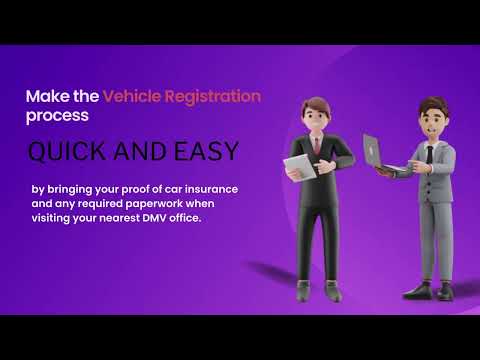
Yeah, it’s one of those nagging thoughts that can ruin your vibe. But seriously, proof of DMV registration is more than just a piece of paper; it’s your ticket to driving legally in the U.S.
Imagine getting pulled over. The officer asks for your registration, and you start sweating bullets because you forgot to renew it. Not fun at all!
Let’s dig into what this whole DMV registration thing really means and why it actually matters in our day-to-day lives. You’ll be surprised how much it plays a role in keeping things on the up and up.
Understanding Vehicle Ownership: Is a Registration Card Sufficient Evidence?
So, you just bought a car and you’re feeling pretty good about it, right? But then the thought hits: “What’s the deal with vehicle ownership proof?” You’ve got your shiny new ride, but is a registration card all you need to show it’s yours? Well, let’s break that down.
First off, let’s talk about what a registration card actually is. When you buy a car and go through the DMV (that’s Department of Motor Vehicles for anyone who hasn’t been there), they give you this little piece of paper that says, “Hey! This person owns this vehicle.” It usually has your name, the car’s VIN (Vehicle Identification Number), and some other stuff on it. Seems pretty straightforward.
But here’s the tricky part: while a registration card shows that you’ve registered the vehicle in your name, it doesn’t necessarily prove that you own it outright. Ownership can be more than just paperwork; it’s about legal rights too.
Now, if you financed your car through a lender or bank, things get even more complicated. Most of these institutions hold onto the title until you’ve paid off the loan. So even if you have the registration card in hand, technically, until you settle up with them, they’re still considered the owner.
Also keep in mind that different states might have varying rules regarding vehicle ownership. In some places, for example:
- If your car is leased, you’ll only get registration papers but not full ownership rights.
- You may need additional documents like bill of sale or title to fully establish ownership.
And here’s something to think about: let’s say you’re trying to sell your car. A buyer might ask for more than just a registration card—they’ll often want to see proof of title transfer. If you’re unable to show this documentation proving that you are indeed its rightful owner without any liens or claims against it, they might get hesitant about buying from you.
In short, while a registration card is important—it shows that you’ve registered with the state—it alone isn’t always enough to establish full ownership. You might need other docs like a title or bill of sale depending on what exactly you’re dealing with.
So next time you’re handling any vehicle-related business—whether it’s selling or buying—remember: don’t just rely on that shiny registration slip! Double-check what else you might need to make sure everything goes smoothly.
The Historical Significance and Purpose Behind Vehicle Registration
Vehicle registration in the U.S. has a rich history and plays a vital role in how we manage our roads and ensure public safety. So, let’s break this down.
First off, vehicle registration began in the early 20th century as cars became more common. When people started driving around in automobiles, it became clear that keeping track of who owned what was essential for various reasons. Imagine a world where cars just zoomed around without any identification. Chaos, right?
The main purpose of vehicle registration is to identify and manage vehicles on public roads. Each registered vehicle gets a unique plate number and record in the Department of Motor Vehicles (DMV) system. This helps law enforcement officials easily identify vehicles involved in accidents or crimes, which can be super essential during investigations.
Now, you might be wondering about proof of DMV registration. This proof serves as legal documentation verifying that your vehicle is registered and that you’re following the law. It’s like having your ticket to ride! Without it, you could face fines or even have your car impounded – not fun at all.
To give you an idea of how significant this is: let’s say you’re out driving one day, enjoying the sunshine. Suddenly, you get pulled over by a cop for speeding (oops!). If your car isn’t registered, you could be looking at hefty fines or worse consequences—like points on your license or insurance problems later on.
Moreover, having registered vehicles allows states to collect registration fees, which can be crucial for funding road maintenance and improvements. Essentially, when you register your vehicle and pay those fees, you’re contributing to the upkeep of the roads we all use—a pretty important civic duty if you ask me!
Another thing worth mentioning is that registration helps with tracking things like recalls on vehicles. If there’s an issue with your model—say a dangerous defect—the manufacturer can look up registered owners through state databases and inform them directly about repairs needed.
Understanding the Implications of Your Car Registration: Rights, Risks, and Responsibilities
Sure thing! Car registration might feel like just another box to check, but there’s way more to it than you might think. Let’s break down what it all means for you—your rights, risks, and responsibilities.
First off, what is car registration? It’s basically the process where you register your vehicle with the Department of Motor Vehicles (DMV) in your state. This gives you a unique license plate and proves that your car is legal on the road. You can’t just drive around without it; that would be a huge no-no.
Now, let’s talk about your rights. When you register your car, you’re not just getting those license plates. You also have certain rights. For example:
Pretty empowering stuff, right? But with rights come responsibilities. So let’s not gloss over that part:
If this sounds boring, hang on; there’s more! There are legally required items to always keep in mind too. The thing is, having proof of registration can save you from unnecessary headaches down the line. Imagine being pulled over by a cop who asks for proof—if you can’t show it? That might lead to fines or worse!
Speaking of risks: driving an unregistered vehicle is risky business. It could lead to fines or even impounding! Plus, if you’re involved in an accident and don’t have proper registration? Your insurance might not cover damages because they could say you’re driving illegally.
Let’s not forget about DMV records. They’re important! Your car’s history has implications for resale value too. Buyers usually check a car’s history before purchasing—it includes accidents and previous registrations.
And all this paperwork isn’t just busywork; it really matters when it comes time for insurance claims or selling the car later down the line. Without valid proof of registration? Yikes!
So yeah, understanding car registration really helps clarify what being a responsible driver is about. It’s honestly one of those things we might take for granted until something goes wrong—and then we’re scrambling for answers!
Make sure you keep up with that registration stuff because staying informed means staying safe and legal out there on those roads!
You know, dealing with the DMV can feel like a rite of passage for a lot of us. Remember the first time you stepped into one? The long lines, the mysterious forms, and the always-inexplicable wait. But amidst all that chaos, something crucial happens—you register your vehicle. And here’s where proof of that registration steps in; it plays a pretty big role in U.S. law.
So why does it matter? Well, having proof of your DMV registration is like having your gold star for being a responsible driver. It shows that you’ve met your legal obligations—like paying taxes and insurance—and that you’ve completed the necessary paperwork to operate your vehicle on public roads. If you ever find yourself pulled over by the cops (yikes!), they’re going to want to see that registration. Without it, things can get messy very quickly.
I once had a friend who got pulled over because he had a taillight out. Just his luck, right? But when the officer asked for his registration, he realized he’d left it at home on his kitchen counter—definitely not where anyone wants to keep important documents! The officer wasn’t too harsh but gave him a warning instead of a ticket—which is kind of astonishing given how strict some can be. You see how having proof handy could save you from potential fines or worse.
And then there are those times when you’re trying to sell or buy a car; man, does proof of registration come into play! When you’re selling, people want assurance that what they’re buying is legit; they don’t want to end up with stolen wheels or face any legal issues later on. When buying, you need that documentation to avoid nasty surprises down the road with ownership disputes or expired registrations.
But let’s not forget other potential mishaps! Like accidents or insurance claims—they often hinge on having valid proof of registration when the rubber meets the road (literally). Without it, proving ownership or liability can spiral into complicated territory you’d rather not find yourself in.
The bottom line here is simple: proof of DMV registration isn’t just about ticking off boxes on some form; it’s part of maintaining order in our driving lives. It connects us all as responsible users of our roads and ensures everyone plays by the same rules while motoring around town. So next time you’re at the DMV—or just chilling at home—it might be worth keeping that document close by!




