
The information provided in this article is intended solely for general informational and educational purposes related to U.S. laws and legal topics. It does not constitute legal advice, legal opinions, or professional legal services, and should not be considered a substitute for consultation with a qualified attorney or other licensed legal professional.
While efforts have been made to ensure the information is accurate and up to date, no guarantees are given—either express or implied—regarding its accuracy, completeness, timeliness, or suitability for any specific legal situation. Laws, regulations, and legal interpretations may change over time. Use of this information is at your own discretion.
It is strongly recommended to consult official sources such as the U.S. Government (USA.gov), United States Courts, or relevant state government and court websites before acting on any information contained on this website or article. Under no circumstances should professional legal advice be ignored or delayed due to content read here.
This content is of a general and informational nature only. It is not intended to replace individualized legal guidance or to establish an attorney-client relationship. The publication of this information does not imply any legal responsibility, guarantee, or obligation on the part of the author or this site.
You know when you hear about a product that harms someone, and it feels like the company should just be responsible? That’s where strict liability steps in.
Basically, it means that if something goes wrong, the manufacturer or seller is on the hook—no need to prove they were negligent.
Imagine this: you buy a toy for your kid, and it turns out to have a hidden danger. Your child gets hurt. It’s pretty gut-wrenching, isn’t it?
This kind of law is all about accountability. And guess what? It has some serious implications when it comes to juries, too.
They end up playing a big role in these cases. So let’s break this down a bit more and see how strict liability impacts both victims and companies alike!
Understanding Strict Liability in Tort Law: Key Concepts and Implications
So, let’s talk about strict liability in tort law. It might sound a bit heavy, but it’s actually pretty straightforward once you break it down. Basically, strict liability means that someone can be held legally responsible for damages or injuries without having to prove negligence. You don’t have to show that the person was careless or did something wrong.
This concept often comes up in cases involving product liability, where a manufacturer can be held liable if a product they made caused harm, even if they didn’t do anything wrong in making it. Imagine you buy a toaster, and it catches fire due to a manufacturing defect. If that happens, you could potentially sue the company and win your case under strict liability even if the company followed all safety regulations.
Another common area where strict liability is applied is with abnormally dangerous activities. Let’s say you’re running a fireworks factory. Even if you follow every safety regulation from the government and take all necessary precautions, if someone gets hurt because of an explosion at your factory, you could still be on the hook for damages. This can feel unfair sometimes, but the law wants to make sure that anyone engaging in risky activities takes full responsibility for their actions.
- The burden of proof shifts: In strict liability cases, the burden is on the defendant to prove that they are not liable rather than on the plaintiff to prove negligence.
- No need for intent: You don’t have to show that someone intended to cause harm; just showing that their actions led to damage is enough.
- Public policy consideration: The law often holds individuals or companies responsible as a way of protecting consumers and encouraging safe practices.
The jury implications here can get pretty interesting. During trials involving strict liability, jurors focus more on whether an injury occurred and less on intentions or negligence. So instead of asking if someone was careful enough, jurors look at whether there were defects or risks associated with an activity or product itself.
You know how when you’re sitting on a jury and trying to come up with a verdict? With strict liability cases, it simplifies things quite a bit. Jurors don’t get bogged down into discussions about whether someone acted reasonably; they just need to consider if there was harm linked directly to the product or activity in question. It can make deliberations shorter because everyone’s clear on what criteria they’re using.
This area of law also emphasizes consumer protection. The legal system recognizes that people should be safe using products or engaging in activities without worrying too much about proving fault. It’s kind of like how car manufacturers have responsibilities based on safety standards—even perfect drivers might get into accidents due to faulty brakes!
Understanding the Three Categories of Strict Liability in Tort Law
Alright, so let’s break down the whole idea of strict liability in tort law. It sounds a bit complicated, but I promise it’s not that bad once you get into it. Basically, strict liability means that a person can be held responsible for damages or injuries without the need to prove negligence. You don’t have to show that someone acted carelessly. Instead, if certain conditions are met, they’re on the hook, no questions asked.
There are three main categories where strict liability usually comes into play:
- Product Liability: This is a big one. If you buy something and it’s defective—like a toasted sandwich maker that catches fire—you might have grounds for a claim against the manufacturer. It doesn’t matter if they did everything right; if their product is dangerous due to a design flaw or manufacturing error, they can be liable for any harm caused.
- Abnormally Dangerous Activities: This category covers activities that are inherently risky and could cause significant harm even when done with extreme caution. Think of things like blasting rock for construction or handling hazardous chemicals. If something goes wrong during these activities—even if you took all safety measures—you might still be liable for any resulting injuries or damages.
- Animal Attacks: If someone owns an animal known to be dangerous—like certain breeds of dogs—they can be held strictly liable if that animal injures someone. So, even if you were doing everything right as a pet owner and trying your best to keep your dog leashed up and well-behaved, if it bites someone without provocation, you might still face legal consequences.
You see how this works? It takes away some of the usual defenses people might use in other types of lawsuits. In strict liability cases, the focus is on whether the injury happened as a result of these specific circumstances rather than whether someone acted negligently.
The jury implications here are pretty interesting too. In cases of strict liability, juries have to look at whether the criteria for each category were met rather than getting into debates about one person’s carelessness over another’s. They just decide if there was fault based on those clear-cut categories instead—less gray area, more black and white.
This legal framework helps victims get compensation more easily when dealing with those companies or individuals who create risks through their actions or products. Doesn’t seem too unfair when you think about it!
So yeah, understanding these three categories gives you insight into how strict liability operates within tort law and helps underline why it matters in real-life situations! Just remember: sometimes even good intentions can lead to serious consequences!
Understanding Strict Liability in Criminal Law: A Comprehensive PDF Guide
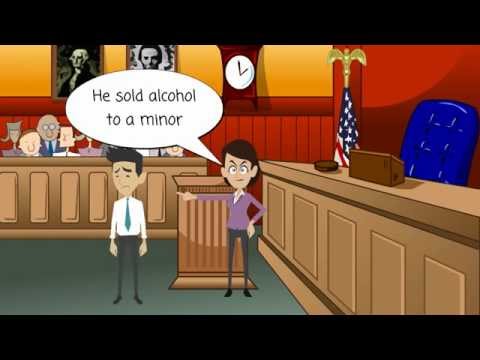
Understanding strict liability in criminal law can feel like trying to navigate a maze, but let’s break it down. Basically, strict liability means that a person can be held legally responsible for an offense without the need to prove intent. You follow me? So, if you did something wrong—like selling alcohol to a minor—you could be found guilty even if you didn’t know the person wasn’t of legal age.
This isn’t your typical case where mental state matters a lot. In most crimes, the prosecution has to show that you acted with some level of intent (that’s called mens rea in legal lingo). But with strict liability offenses, that’s not the case. The main focus is on whether the act occurred—it’s more about what happened rather than what you intended.
Why does this matter? Well, think of it like this: Imagine you’re at a party and someone spills a drink on your expensive rug. If we stick with the idea of strict liability, even if you didn’t mean for things to get messy, you might still be asked to cover the damages. Kind of unfair? Sure! But that’s how strict liability works in certain areas of law.
Here are some key points about strict liability in criminal law:
- No Need for Intent: You can’t use “I didn’t mean to” as a defense.
- Common Examples: Traffic violations and selling certain products without proper warnings often fall under this category.
- Less Serious Offenses: Most strict liability crimes are considered misdemeanors or regulatory offenses.
- Public Safety Focus: These laws are usually designed to protect public welfare.
The jury implications are important too. When jurors hear about strict liability cases, they don’t have to think about whether someone had bad intentions or not. The evidence may simply need to show that the act took place. This can lead them straight to a verdict without much deliberation on mental state aspects, which might speed up the decision-making process.
You might be wondering if there are any defenses available in these cases. Although options are pretty limited, sometimes mistakes or accidents can still play a role depending on jurisdiction and specific laws involved. But generally speaking, your chances of getting off easy just because you didn’t mean harm? Slim.
Certainly, it all sounds a bit daunting! Like I said earlier, think back to those examples—traffic violations don’t require proof of intent because they aim at promoting safety for everyone on the road. The same goes for food safety regulations; if you’re running a restaurant and serve food that’s unsafe (even by accident), you could still face charges under strict liability laws.
The takeaway? With strict liability in criminal law, it’s less about what was going on in your head and more about what actually went down. It’s crucial for jurors and defendants alike to understand this concept since it affects how cases develop in court!
The bottom line is that while it may seem tough—and it often is—the goal here is really just to keep everyone safe and accountable in society…
Strict liability is one of those legal concepts that can feel a bit tricky, you know? Unlike other forms of liability where you have to prove fault or negligence, strict liability means that if something goes wrong, you can still be held responsible.
So, let’s say you own a pet store and a customer gets bitten by a snake—like, whoa—that’s scary! Even if you took every precaution to keep that snake safe and secure, under strict liability laws, you could be on the hook for damages because the nature of owning a potentially dangerous animal carries an inherent risk. The law doesn’t care if you weren’t negligent; it just looks at the fact that someone got hurt.
Imagine being on a jury for a case like this. You walk in thinking it’s all about figuring out who messed up. But with strict liability, your job is really about assessing the situation based more on the facts than someone’s intentions. It’s kind of fascinating how it flips the whole idea of justice on its head. You’re tasked with weighing the evidence and deciding whether the defendant’s activity was inherently dangerous rather than focusing strictly on what they did or didn’t do.
Now picture this: a family has their picnic ruined because they were injured by faulty fireworks from a local distributor. As jurors, you’re looking at all aspects—not only what the distributor might have done wrong but also whether selling those fireworks involves inherent risks that make them strictly liable. Suddenly it feels more complex and maybe even overwhelming at times!
In all honesty, this shifts how juries think about responsibility. It widens what they consider when making decisions about liability. They don’t just look at human error but also take into account societal concerns about safety and accountability for potentially harmful actions.
So yeah, while strict liability might seem like just another legal term tossed around in courtrooms, its implications can make jury duty pretty fascinating—and intense! No wonder so many people have mixed feelings about being called for jury duty; sometimes you’re part of something larger than just deciding who’s right or wrong!




