
The information provided in this article is intended solely for general informational and educational purposes related to U.S. laws and legal topics. It does not constitute legal advice, legal opinions, or professional legal services, and should not be considered a substitute for consultation with a qualified attorney or other licensed legal professional.
While efforts have been made to ensure the information is accurate and up to date, no guarantees are given—either express or implied—regarding its accuracy, completeness, timeliness, or suitability for any specific legal situation. Laws, regulations, and legal interpretations may change over time. Use of this information is at your own discretion.
It is strongly recommended to consult official sources such as the U.S. Government (USA.gov), United States Courts, or relevant state government and court websites before acting on any information contained on this website or article. Under no circumstances should professional legal advice be ignored or delayed due to content read here.
This content is of a general and informational nature only. It is not intended to replace individualized legal guidance or to establish an attorney-client relationship. The publication of this information does not imply any legal responsibility, guarantee, or obligation on the part of the author or this site.
So, let’s chat about something that hits a lot of people in different ways—federal sentences and jury trials. You know how they say there are two sides to every story? Well, the legal system is kind of like that.
Imagine being part of a jury, sitting there with your peers, weighing evidence. Sounds intense, right? But it’s not just about what you see on TV. There’s so much more behind those courtroom doors.
Federal sentences can really shake things up too. They’re not just numbers; they can change lives forever. When you think about it, the whole process is like a big puzzle where each piece matters.
It’s confusing at times, but that’s what makes it interesting. Stick around as we untangle this together!
Understanding the Trial Process: What to Expect When Your Case Goes to Trial
So, you’re curious about what goes down when your case heads to trial, huh? The trial process can seem like a labyrinth of legalese and formalities. But don’t worry, I’m here to break it down for you in a way that’s easy to follow.
First off, a trial usually kicks off with jury selection, also known as “voir dire.” This part is all about picking folks from the community who will evaluate the evidence and decide the outcome. Both sides get a say in who sits on that jury. Sounds pretty important, right? Well, it is! The goal is to find people who can be fair and unbiased.
Once the jury is set, we move on to opening statements. It’s kind of like previewing a movie. Each side gets to lay out their story without diving into the nitty-gritty just yet. Imagine sitting there, hearing both sides explain why they think they’re right—it’s like getting the appetizer before the main course.
Then comes witness testimony. This is where things get real! Witnesses are called up to share what they know about the case. And here’s where it gets interesting: both sides can ask questions during this part. There’s usually a direct examination by the side that called them up and then cross-examination by the other side. Think of it like an intense game of ping-pong!
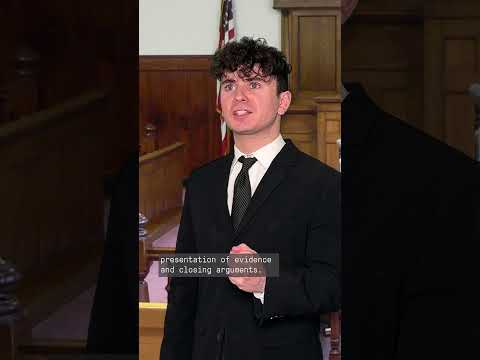
After witnesses have had their moment in the spotlight, we dive into evidence presentation. This can include documents, photos, videos—whatever helps tell that story! Both sides try to convince that jury with every piece of evidence they’ve got.
No trial would be complete without closing arguments. Here’s when each side gets their final chance to make their case stick in jurors’ minds. It’s like your last shopping day before Christmas; you want everything lined up just right!
The grand finale? The jury deliberation. This might take minutes or days—who knows! Jurors huddle together away from everyone else and talk things over until they reach a verdict. They have to decide whether it’s “guilty” or “not guilty.” But remember, not guilty doesn’t mean innocent; it just means there wasn’t enough proof for a conviction.
If things go awry and there’s no clear winner (like if jurors can’t agree), that could lead to what’s called a “hung jury.” In these cases, it might end up being retried later on. So yeah, lots can happen!
The last bit? Sentencing happens if someone gets found guilty. Depending on what was decided and how serious the crime was, sentences could vary widely—from fines or community service all the way up to time behind bars.
- The whole process takes time: Trials aren’t quick fixes; there can be several delays.
- Your behavior matters: Always show respect in court; it’s serious business!
- You’re not alone: Defendants often have legal defense teams working hard behind-the-scenes.
- Pleas can happen: Sometimes folks choose not even go through with trial by taking plea deals.
This entire experience can feel overwhelming for anyone involved—you know? But understanding each step makes it way less scary! Just remember that this system relies on ordinary people doing their best to seek justice.
Understanding the 14 Key Steps in a Trial Process
Sure! Let’s dig into what a trial process looks like in the U.S. legal system, especially focusing on federal sentences and jury trials.
1. Jury Selection
First things first. The trial starts with selecting a jury. This group of ordinary folks is pulled from the community to decide if someone is guilty or not. Lawyers from both sides ask potential jurors questions to ensure they’ll be fair and unbiased. Sometimes, this can get pretty intense!
2. Opening Statements
Once the jury’s set, it’s time for the opening statements. Both sides get to lay out their case in a nutshell. The prosecution talks about what they aim to prove, while the defense shares their perspective too.
3. Witness Testimony
Next up is witness testimony. The prosecution goes first, bringing in witnesses to support their claims. These witnesses share what they saw or know about the case—like that neighbor who saw something suspicious on the night of an alleged crime.
4. Cross-Examination
After each witness, there’s cross-examination by the defense team. This is their chance to poke holes in what was said and challenge credibility—like asking if that neighbor had glasses on or had been drinking that night.
5. Defense’s Case
Now it’s the defense’s turn! They present their own witnesses and evidence trying to back up their argument that maybe their client didn’t do anything wrong.
6. Prosecution Rebuttal
Once the defense wraps up, we go back to the prosecution for rebuttal—basically trying to counteract what the defense just claimed and strengthen their original arguments.
7. Closing Arguments
Both sides give closing arguments next, summarizing all they’ve presented during the trial and making an emotional appeal to jurors’ senses of justice—kind of like one last pep talk before the big game!
8. Jury Instructions
The judge then gives instructions about what laws apply to this case and how jurors should approach making a decision based on those laws.
9. Deliberation
After all that’s done, it’s time for deliberation! Jurors step away into a private room to discuss everything they’ve heard during the trial—and trust me; this can take some time as they work through different opinions.
10. Verdict**
Finally, after working through everything, jurors come back with a verdict: guilty or not guilty! This moment can feel super tense for everyone involved—you can almost hear a pin drop in those courtrooms!
11.
Sentencing**
If there’s a guilty verdict—now we move onto sentencing if it’s applicable at this level (like federal cases). The judge considers guidelines and circumstances before deciding how long someone might be behind bars or any fines involved.
12.
Appeals**
Here’s where things can get shaky again! After sentencing, there may still be room for appeals if one side believes mistakes were made during trial proceedings—or other legal issues popped up.
So there you have it! Each step plays an important role in ensuring everyone has due process in our system—a little bit like following recipe instructions but with way more drama and consequences!
Understanding the Post-Jury Trial Process: Key Outcomes and Next Steps
After a jury trial wraps up, there’s a whole lot that can happen next. Understanding the post-jury trial process is crucial if you or someone you know is involved in the legal system. Alright, let’s break this down, shall we?
First off, once the jury delivers its verdict, either someone’s found guilty or not guilty. If it’s guilty, then what follows can be pretty intense. The judge will set a date for sentencing. This is basically when the judge decides what kind of punishment fits the crime.
Sentencing Options
Depending on the crime, sentences can vary quite a bit. Think about common outcomes like:
- Probation: Instead of jail time, the offender may stay in the community but under strict conditions.
- Prison Time: For serious offenses, a person might head straight to prison for a long stretch.
- Fines: Often, judges impose financial penalties as part of sentencing.
- Restitution: Sometimes, offenders have to pay back victims for their losses.
Let’s say someone was found guilty of robbery. The judge might sentence them to five years in prison and order them to pay restitution to the victim for items taken during the crime.
Now after sentencing comes the appeal process. If you think something went wrong during the trial—like maybe evidence was improperly admitted or a juror acted wrongly—then an appeal can happen.
The Appeal Process
Here’s how that plays out:
- A notice of appeal gets filed by the defense team.
- The appellate court reviews trial records and arguments from both sides without starting over from scratch.
- If they find mistakes that affected fairness, they might overturn or modify the verdict.
Imagine this: A guy named Jake was convicted because some questionable evidence got thrown into his trial without proper justification. On appeal, it turns out that evidence shouldn’t have been allowed! So now he gets a chance at a retrial or even has his conviction tossed out.
Now let’s talk about specially sentencing hearings. Sometimes, after conviction but before formal sentencing occurs (like in federal cases), there’ll be hearings about certain factors—maybe it’s about prior criminal records or whether this was part of an organized crime effort.
These hearings help determine things like:
- The exact amount of jail time.
- If any special conditions should apply to probation.
And hey, one important thing? Victims can often give impact statements during these stages! This gives them a voice on how the crime affected them personally.
Finally—let’s not forget about suspended sentences. This means that even after being sentenced to prison time, sometimes judges allow offenders to serve their sentence later if they meet certain criteria.
In short? After a jury reaches its verdict and moves on through those next steps like sentencing and possible appeals—the legal path continues long beyond just “guilty” or “not guilty.” It’s all part of ensuring justice plays out fully for everyone involved!
So, let’s chat about federal sentences in the U.S. legal system and how jury trials fit into that whole picture. It’s a pretty interesting topic, and honestly, it can feel a bit overwhelming at first. You’ve got these big concepts like federal law, sentencing guidelines, and then the whole process of how a jury gets involved. Doesn’t sound super exciting, but hang tight. It’s more relatable than you might think.
First off, you gotta know that federal sentences are handed down for crimes that violate federal laws. Think stuff like drug trafficking across state lines or bank robbery involving federal banks. Unlike state laws—which vary from place to place—federal laws are consistent across the country. So when someone is found guilty in a federal court, they’re often facing some serious time behind bars.
Now here’s where it gets kind of wild: every time there’s a trial for these cases, it usually involves a jury—like your neighbors or everyday folks picked to sit and listen to the evidence. The thing is, juries can be super unpredictable! You could have twelve people from different walks of life trying to make sense of complex legal arguments and evidence presented by lawyers who’ve been trained for years. That can create some intense dynamics in the courtroom.
It’s always fascinating when you hear those stories about juries reaching verdicts after long deliberations or even when they seem to come out of nowhere with their decisions! Like this one time I heard about a jury acquitting someone based on just one piece of evidence that didn’t even seem that crucial at first glance. It made me realize how much the human element comes into play—it’s not all cut and dry like you might think.
Sentencing in federal cases often follows guidelines set by the U.S. Sentencing Commission, but guess what? Judges still have some wiggle room here! They take into account various factors like previous criminal history or whether any victims were harmed. But ultimately, it’s all underpinned by jury verdicts because they’re the ones determining guilt or innocence.
Think about it: when you’re sitting on a jury deciding someone’s fate—it really hits home how our justice system relies on everyday people to figure things out together. Sure, it can be intimidating and maybe even stressful to serve on a jury, but it also gives each person a chance to impact someone else’s life fundamentally.
Anyway, those are just some thoughts swirling around this topic! Federal sentences and jury trials show how intertwined our legal system is with human emotion and judgment—and that makes things feel so much more real than just dry laws on paper.




