
The information provided in this article is intended solely for general informational and educational purposes related to U.S. laws and legal topics. It does not constitute legal advice, legal opinions, or professional legal services, and should not be considered a substitute for consultation with a qualified attorney or other licensed legal professional.
While efforts have been made to ensure the information is accurate and up to date, no guarantees are given—either express or implied—regarding its accuracy, completeness, timeliness, or suitability for any specific legal situation. Laws, regulations, and legal interpretations may change over time. Use of this information is at your own discretion.
It is strongly recommended to consult official sources such as the U.S. Government (USA.gov), United States Courts, or relevant state government and court websites before acting on any information contained on this website or article. Under no circumstances should professional legal advice be ignored or delayed due to content read here.
This content is of a general and informational nature only. It is not intended to replace individualized legal guidance or to establish an attorney-client relationship. The publication of this information does not imply any legal responsibility, guarantee, or obligation on the part of the author or this site.
Hey there! So, let’s talk about leases for a sec. You know, those agreements we all love to hate? Yeah, the ones that can make or break your renting experience.
Now, you might wonder why I’m bringing them up when we’re diving into the jury system and U.S. law. Well, they’re actually more connected than you think! Life is messy, right? Even in the legal world.
Having free lease forms at your fingertips is like having a secret weapon. It saves you time and headaches when you’re renting a place or dealing with a tenant. Seriously, who wants to stress over paperwork?
Plus, understanding your rights and rules in this whole process makes a big difference. Trust me; it’s worth knowing how this stuff works—like how juries fit into recognizing these rights. You follow me? So let’s explore this together!
Exploring the 5 Key Types of Leases: A Comprehensive Guide
When you’re diving into leases, it can feel a bit overwhelming. But don’t worry, I got your back! So, what are the main types of leases? Let’s break them down nice and easy.
1. Residential Leases
These are the most common ones. If you’re renting an apartment or a house, this is what you’re looking at. Residential leases usually cover things like rent amount, duration of the lease (like a year), and rules around pets or maintenance. You know how you might sign a lease that says you can’t paint the walls any crazy colors? Yeah, that’s part of this deal.
2. Commercial Leases
Now, if you’re thinking of starting a business and need space for it, you’re stepping into commercial leases. These can be pretty complex compared to residential ones. They’ll outline things like how much space you’ll be using and any extra costs for maintenance or utilities. This type is kind of crucial because it can really affect your business’s bottom line.
3. Subleases
Sometimes life changes! Maybe you got a job in another city but don’t want to give up your sweet apartment just yet. That’s where subleases come in handy. Basically, you’re allowing someone else to take over your lease while still being responsible for it yourself. Just make sure the original landlord approves—it gets messy otherwise!
4. Month-to-Month Leases
These are super flexible! You’re not tied down for long periods like with traditional leases; instead, they roll over monthly until someone gives notice to end it (usually 30 days). Perfect if you’re unsure about where you’ll be living in six months! But keep in mind: landlords might raise rent more often with these types.
5. Ground Leases
Okay, so these are a bit different but important too! A ground lease is when someone leases land and builds on it without owning the land itself. Think of businesses that build on rented land— they pay rent for using the property but keep their buildings once the lease ends.
So there we have it—a quick look at the main types of leases out there! Knowing which one fits your situation can save you stress down the road. And remember to read everything carefully before signing anything—it’s all about protecting yourself and knowing what you’re getting into!
Understanding the Lease Agreement Format: Essential Components and Guidelines
Sure, let’s break down lease agreements. They’re super important if you’re renting a place, whether it’s an apartment or a house. Think of a lease agreement as like the rulebook for your living situation.
First off, what’s in this document? Well, there are some essential components that you’ll definitely want to keep an eye on. This way, you know what to expect from your landlord and vice versa. Here are the big ones:
- Names of Parties: You need to see the names of everyone involved—the landlord and the tenant(s). This is basic stuff but super important.
- Property Description: Make sure it clearly outlines the property being rented—like an address and any specific details about it.
- Lease Term: This is how long you’re committing to stay. Could be month-to-month or for a year or more. If you’re signing for 12 months but want out sooner, watch out!
- Rent Amount: This should detail how much rent is due and when it’s payable each month—don’t forget those late fees!
- Security Deposit: Usually required upfront, this is your “insurance” against damages or unpaid rent. The agreement should state how much it is and when you’ll get it back.
- Maintenance Responsibilities: Clarifying who takes care of repairs and maintenance tasks can save you headaches later down the road.
- Pet Policies: If you’ve got furry friends (or plan to get them), this section will cover whether pets are allowed and what rules apply.
Now let’s chat about some guidelines. The way the lease is formatted can make a world of difference in understanding:
- Simplicity Matters: Look for clear language. If it feels like you’re deciphering hieroglyphics, that’s a red flag!
- No Hidden Fees: Be wary of surprise penalties buried in fine print—if something feels sketchy, question it!
- If It’s Not Written Down…: Anything not in the lease can lead to misunderstandings later. So remember: verbal agreements don’t count as much in this world.
Finally, here’s something truly unique: before signing anything, take your time! Read every inch of that document like it’s your favorite book (none of those speed-reading tactics here).
A friend once rushed into signing a lease because they loved the place so much—they skimmed over some details. Turns out there were hidden fees for using certain amenities that really added up! Now they’ve learned their lesson.
It also helps to keep copies of signed agreements for future reference. You never know when you might need them! So being savvy about leases can really pay off down the line.
So there you go! Understanding these essentials can make your renting experience way smoother and less stressful!
Download Your Free Lease Agreement Template: Create a Binding Rental Contract Easily
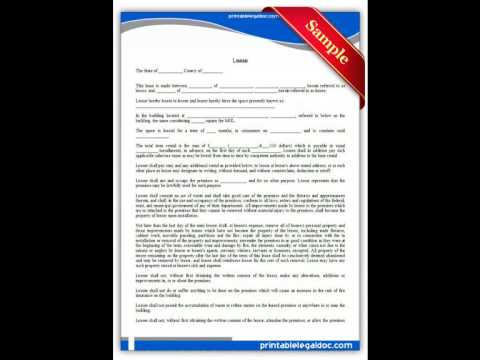
Sure! So, when it comes to renting a place, you definitely want to have a lease agreement in place. It’s basically a contract between you and the landlord that lays out all the terms of your tenancy. But creating one from scratch can feel super overwhelming. That’s where those free lease agreement templates come in handy.
What is a Lease Agreement?
A lease agreement, or rental contract, is a legal document that spells out the rules for renting property. It covers everything from rent amount to how long you can stay. The good thing about using a template? You get to save time while still making sure your rights are protected.
Key Elements of a Lease Agreement
When you’re looking at these templates, you’ll notice some essential sections:
- Names of Parties: This includes both the tenant and the landlord.
- Description of Property: You need to include the specific address and any other relevant details.
- Duration: Specify how long the lease will last—most are typically for one year, but it could be shorter.
- Rent Amount: Clearly state how much rent is due each month and when it should be paid.
- Security Deposit: Mention any deposit required and the terms for its return.
- Pets Policy: If pets are allowed or not, this should be clear!
- Repairs and Maintenance: Who’s responsible for fixing what? This is crucial.
Now, using these templates means you don’t have to worry about missing something important! A good template gives you a solid foundation.
The Importance of Legality
Not all leases are created equal; they have to comply with state laws. This means certain things might need to be included or worded differently depending on where you live. Templates often stick closely to legal language, so that’s another plus when using them.
Let’s say you’re renting in California. There might be specific laws regarding security deposits or what happens if there’s an eviction process. A template designed for California would reflect those local laws! Always double-check that your chosen template aligns with your state’s requirements.
The Binding Nature
Once both parties sign the lease agreement, it becomes legally binding. That means if either party breaches any term—like failing to pay rent on time—the other party has grounds for legal action. It’s pretty serious stuff!
A Little Anecdote
I remember my friend Mike renting his first apartment right out of college. He found this awesome online template but didn’t read through it thoroughly before signing! Turns out he missed a clause about pets—which he had—and later faced eviction because they didn’t allow them in his building. Yikes!
That being said, always read over what you’re signing before putting your name down on that dotted line.
In summary, using free lease templates can make creating binding rental contracts super easy and straightforward as long as you’re careful about choosing one that fits your needs and adheres to local laws. And remember: understanding what’s in your lease will save you from future headaches down the road!
Alright, let’s chat about something that can really be a head-scratcher: free lease forms and how they fit into the bigger picture of U.S. law and the jury system.
So, you know, when people think of lease agreements, they might just view them as a bunch of legal jargon—something you sign to rent an apartment or maybe some office space. But here’s the deal: these forms aren’t just paperwork; they play a crucial role in upholding rights and responsibilities between landlords and tenants. And believe it or not, if things go south, those terms can end up in court.
Imagine this scenario: You’ve just moved into a cozy little place, maybe your first apartment after college. You’re excited! But then you find out that your landlord is trying to charge you for repairs that should’ve been their responsibility according to the lease agreement. Ugh, how frustrating! If it gets heated enough and heads to court, guess what? That lease form becomes evidence in front of a jury who’ll decide who’s right.
Now, when people look for free lease forms online, it’s essential to remember that not all templates are created equal. You may find something that’s got all the right sections for your state—or it could be a total flop that doesn’t cover what you really need. If you get stuck with one of those flimsy templates and things escalate legally…well, good luck trying to explain that in a courtroom!
The thing is, knowing the ins and outs of these forms isn’t just about signing on the dotted line; it’s also about understanding your rights as a tenant or responsibilities as a landlord. A solid lease keeps everything clear—no misunderstandings there—so everyone knows what’s expected from them.
And here’s where juries come into play again! If both parties can’t settle their issues amicably—say over the phone or at some mediation—they could find themselves in front of everyday folks like us on a jury. Those people would look at that lease form and decide based on its wording what’s fair for both sides. It’s kind of cool to think about how everyday citizens help make judgments about legal matters like this.
So yeah, while searching for free lease forms might seem like just checking off an item on your moving checklist, there’s so much more behind it! It connects directly with our rights under U.S law and reminds us how deeply intertwined our lives are with this legal framework—even if we don’t realize it most days!




