
The information provided in this article is intended solely for general informational and educational purposes related to U.S. laws and legal topics. It does not constitute legal advice, legal opinions, or professional legal services, and should not be considered a substitute for consultation with a qualified attorney or other licensed legal professional.
While efforts have been made to ensure the information is accurate and up to date, no guarantees are given—either express or implied—regarding its accuracy, completeness, timeliness, or suitability for any specific legal situation. Laws, regulations, and legal interpretations may change over time. Use of this information is at your own discretion.
It is strongly recommended to consult official sources such as the U.S. Government (USA.gov), United States Courts, or relevant state government and court websites before acting on any information contained on this website or article. Under no circumstances should professional legal advice be ignored or delayed due to content read here.
This content is of a general and informational nature only. It is not intended to replace individualized legal guidance or to establish an attorney-client relationship. The publication of this information does not imply any legal responsibility, guarantee, or obligation on the part of the author or this site.
So, have you heard about this Google class action settlement? It’s kind of a big deal right now. A lot of folks are buzzing about it, and it’s got some serious implications for how we all use tech these days.
Picture this: you’re scrolling through your phone, using apps that are super helpful but may, like, be keeping tabs on you more than you’d think. Crazy, right? This settlement is like a wake-up call for everyone who uses Google products.
You might be wondering what this means for you and your rights. Like, do you get any money out of it? What even happens in a class action case anyway? Don’t worry; I got your back on all of that.
Let’s break down the details and see how this fits into the bigger picture of the American legal system. Trust me—it’s more interesting than it sounds!
Understanding the Google Class Action Settlement: Implications for the American Legal System and Potential Payouts
Understanding the Google Class Action Settlement can be a bit of a maze, but let’s break it down. If you didn’t know, a class action lawsuit is when a group of people comes together because they’ve all been harmed in a similar way. In this case, the lawsuit involves Google and how it allegedly managed user data without proper consent.
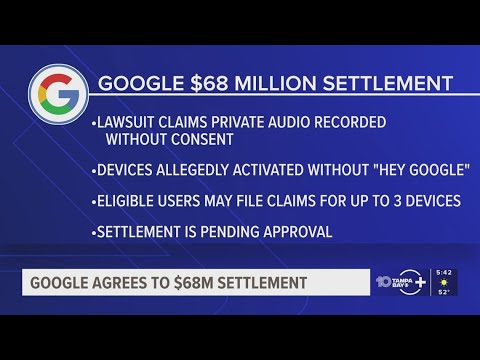
A class action settlement is important because it allows individuals who might not have the resources to fight big corporations on their own to seek justice. This particular settlement stems from claims that Google was improperly tracking users in ways that violated privacy laws. You can imagine, right? It’s like signing up for one thing and finding out they’re doing something totally different with your information.
Here’s where it gets interesting: potential payouts. If you are part of the class—meaning you’ve used specific Google services during the time period in question—you could be eligible for compensation. The total amount available for payouts can depend on several factors, like how many people file claims and how much money Google has set aside for this settlement. Pretty wild when you think about it!
- Who’s eligible? You might wonder if you’re in this group. Well, generally speaking, anyone who used certain Google products or services mentioned in the lawsuit during certain dates can qualify.
- The claims process: If you’re eligible, you’ll need to file a claim. This usually involves providing some basic information about your use of Google’s services.
- Payout amounts: Now as for the cash—you might not get rich off this! The amount could vary based on how many people are involved and other factors at play.
This case isn’t just about money; it’s also helping shape the American legal system’s approach to tech companies. It raises big questions about privacy rights and how companies should handle personal data. You know there are so many folks out there worried about their data being mishandled! This could lead to more regulations or stricter scrutiny of tech giants going forward.
And here’s an emotional note to think about: Imagine being one of those individuals who feels like their privacy was invaded—like sharing your personal thoughts with someone only to find out they were broadcasting it to everyone! It makes you appreciate just how crucial these lawsuits can be in holding companies accountable.
In short, while the payout may not change your life overnight, being part of this settlement could mean that your voice is heard alongside many others demanding fairness from powerful corporations like Google.
So yeah, keep an eye out on announcements related to this if you think you might qualify! You’ll want to stay informed about potential deadlines and what steps you’ll need to take if you’re thinking about joining the claim process.
Google Class Action Settlement: Key Insights on Payout Dates and the American Legal System
So, you might have heard about the recent Google class action settlement. It’s a big deal in the tech world and raises a lot of questions about how class action lawsuits work and what you can expect from a settlement like this. Let’s break down some key insights regarding payout dates and how this all fits into the American legal system.
What’s This Settlement About?
The Google class action settlement addresses claims that Google violated privacy rights by collecting users’ data without proper consent. When people think their rights have been violated, they often come together in a class action lawsuit. This way, individuals can combine their claims and go after a larger entity—like Google—more effectively.
How Does a Class Action Work?
In simple terms, when multiple people face similar harm or issues, they can band together to sue as a group. For example, if hundreds of folks found out that Google was tracking their online activity without permission, they could join forces to take legal action against the company. This makes it easier for individuals who might not have the resources to take on a big corporation alone.
Payout Dates
Now let’s talk about the payoff. After these settlements are reached, there often comes the moment when eligible members get their payouts. The timeline for this can vary quite a bit but usually involves several steps:
- Final Approval: A judge has to review and approve the settlement agreement.
- Claims Process: Eligible parties need to submit claims to receive their share.
- Payout Distribution: After all claims are processed and verified, payouts are distributed.
But here’s where it gets real: sometimes these processes can take months or even years! So if you’re waiting for your check from this settlement, patience is key.
The Role of Courts
An important part of these settlements is how courts manage everything. The judges make sure that everyone involved gets treated fairly and that no one’s being taken advantage of – which is especially important when huge corporations are involved.
Think about it: if you’re part of this class action and think you’re owed something due to Google’s alleged misdeeds, having an impartial judge overseeing the process helps ensure your voice is heard.
The Bigger Picture
Settlements like this show how powerful collective action can be in our legal system. They also highlight how laws like consumer protection acts work to safeguard our rights as individuals against large companies.
And while waiting for your payout might feel frustrating at times (like waiting for your pizza delivery that seems to take forever), remember you’re part of something bigger! You’re standing up for privacy rights not just for yourself but for everyone affected too.
So there you have it! The Google class action settlement isn’t just about money; it’s also about accountability and making sure companies respect user privacy in today’s tech-driven world. Keep an eye on those payout dates because changes in technology could lead us into more legal battles down the line!
Understanding the Google Class Action Settlement: Insights into the American Legal System and Compensation Amounts
So, you might have heard about the Google class action settlement and wondered what it’s all about. First off, let’s break down what a class action really is. It’s basically when a group of people with similar claims go after a defendant together. Instead of each person filing their own lawsuit—think about the time and money that would take—they combine forces. And this is super common in cases where many folks feel they were wronged by a big company like Google.
Now, onto the Google settlement itself. This came from allegations that Google violated privacy laws by tracking users’ data without proper consent. There are lots of folks out there who might feel like their info was mishandled, so when this lawsuit hit, it caught a lot of attention.
In terms of payouts, you might be curious about how much each person can get. In many class action cases, payouts can vary significantly depending on the number of people involved and how much money’s in the pot after legal fees and other costs are deducted. So here’s where things can get tricky—you could end up with just a few bucks or, if you’re lucky, maybe hundreds.
With this kind of settlement, the court has to oversee everything to make sure it’s fair to everyone involved. They’ll look at factors like how many people signed up for compensation and how valid those claims are. It can take some time before you actually see any funds from such settlements because everything has to be verified.
Now here comes an interesting part: if you’re eligible for compensation, you usually have to file a claim form to get your share of the payout. It’s not just handed over automatically—you know? You’ve gotta do your part! This ensures that only those affected get compensated.
Here are some key takeaways:
- Class actions help individuals with similar issues unite against larger entities.
- Google’s settlement involves privacy violations related to user data.
- Payout amounts vary widely based on numerous factors.
- The court ensures fairness in distributing compensation.
- You may need to submit a claim form to access any funds.
And honestly, it’s hard not to feel for those who got caught up in all this drama. Imagine finding out your personal info was being tracked without your say-so! It strikes that nerve about privacy we all share these days. So when cases like these pop up and lead to settlements, it brings some hope that accountability remains—at least in theory.
At the end of the day, class actions like this one are an avenue for people to push back against companies they feel have wronged them while also shining a light on important issues like privacy rights in our tech-driven world. It’s pretty fascinating how our legal system works when it comes down to holding big names accountable!
So, let’s chat about the whole Google class action settlement thing that’s been buzzing around. It’s kind of wild, isn’t it? Like, you hear about these massive tech companies and how they handle user data, and you start to wonder—are we really protected out there?
This specific settlement has ruffled a lot of feathers. Users are claiming that Google was, well, a bit sneaky with their data collection practices, tracking us even when we thought we were private. You know the feeling—it’s like when you accidentally tell a secret to your friend who immediately runs to spill it to everyone. Kinda violates that trust, right? So now people are getting together in this class action suit, which is where many individuals band together against a big corporation that they think did them wrong.
What’s fascinating about the American legal system is how it gives people a voice, especially in situations where an individual might feel small against a giant like Google. Sure, it’s not perfect; sometimes it feels slow and complicated. Plus, navigating through all those legal terms can be like trying to read a foreign language. But in moments like these, when folks are standing up for their rights collectively, there’s something pretty empowering about it.
Think about this: these settlements aren’t just about money; they’re often about accountability too. It sends a message that companies can’t just do whatever they want without facing consequences. And at the end of the day—whether someone gets a check in the mail or not—it’s more than just the cash; it’s about drawing attention to issues that affect our everyday lives.
So yeah, while you might look at something like the Google settlement and think “meh,” beneath the surface is this whole dialogue about privacy and trust that’s so crucial today. The tech world is huge and complicated but knowing there’s some sort of check on them (even if it’s messy) makes me feel like we’re all part of something bigger—a community looking out for one another.
And who knows? Maybe this whole situation will spark some changes in how tech companies operate moving forward. Wouldn’t that be awesome? A more transparent digital world where we actually have control over our own data? That’d be a win for all of us!




