
The information provided in this article is intended solely for general informational and educational purposes related to U.S. laws and legal topics. It does not constitute legal advice, legal opinions, or professional legal services, and should not be considered a substitute for consultation with a qualified attorney or other licensed legal professional.
While efforts have been made to ensure the information is accurate and up to date, no guarantees are given—either express or implied—regarding its accuracy, completeness, timeliness, or suitability for any specific legal situation. Laws, regulations, and legal interpretations may change over time. Use of this information is at your own discretion.
It is strongly recommended to consult official sources such as the U.S. Government (USA.gov), United States Courts, or relevant state government and court websites before acting on any information contained on this website or article. Under no circumstances should professional legal advice be ignored or delayed due to content read here.
This content is of a general and informational nature only. It is not intended to replace individualized legal guidance or to establish an attorney-client relationship. The publication of this information does not imply any legal responsibility, guarantee, or obligation on the part of the author or this site.
So, let’s chat about grand juries. Yeah, they’re those mysterious things you hear about on TV shows but hardly ever see in real life.
You know, when someone mentions a grand jury, people usually raise their eyebrows and think it sounds super serious. And it is! But there’s also a lot more to it than just courtroom drama.
Basically, grand juries play a big role in deciding whether there’s enough evidence to charge someone with a crime. Pretty wild, huh?
And here’s the kicker: being part of one is like stepping behind the curtain of the legal system. It’s not just for lawyers and judges; ordinary folks like you might get invited too! How cool is that?
So grab a seat as we dig into what these grand jury duties really are and why they matter so much. You’re gonna want to know this!
Understanding the Role of a Grand Jury in the American Legal System: Functions, Procedures, and Impact
Alright, so let’s dive into the world of the grand jury and what it’s all about in the American legal system. You might have heard this term tossed around in crime dramas or the news, but what does it really mean? Well, stick with me!
A grand jury is a group of citizens convened to determine whether there’s enough evidence to charge someone with a crime. They’re not deciding guilt or innocence—that’s for a trial jury. They’re more like a filter, you know? If they find enough evidence, they’ll issue an indictment. If not, the case usually just fizzles out.
So here are some key points about how this whole thing works:
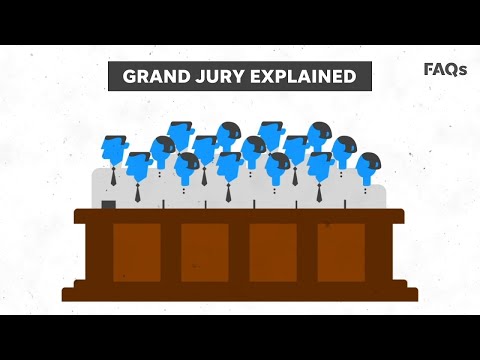
- Composition: A grand jury typically has between 16 and 23 members. These folks are randomly selected from the community and represent a slice of society.
- Duration: Unlike trial juries that often meet for just one case, grand juries can sit for months or even longer. They might hear multiple cases during their time.
- Secret Proceedings: Grand jury sessions are usually closed to the public. This secrecy is meant to protect both the potential defendants and witnesses from any backlash.
- No Defense Attorney: The person being investigated doesn’t get to show up and defend themselves at this stage—only prosecutors present evidence.
You see, grand juries play a crucial role in checking government power; by requiring prosecutors to present sufficient evidence before someone faces criminal charges. It’s like this extra layer of protection for citizens against hasty accusations.
The process starts when prosecutors present what they believe is enough evidence against someone. Witnesses can be called in as well—sometimes even people who aren’t part of the case directly but might have info that sheds light on it.
The grand jurors then deliberate privately. This can be pretty intense because they’re weighing real lives and potential consequences. Think about how heavy that is! If they feel there’s probable cause (which basically means “it seems likely”), they’ll go ahead and hand down an indictment, which allows prosecutors to move forward with charges.
If they don’t find enough evidence? Well, nothing happens—the person walks free without charges hanging over their head. Pretty fair, right? But here’s where it gets interesting: since it’s all secretive, grand jury decisions often don’t face public scrutiny until much later in the process.
This system has its pros and cons. On one hand, it prevents wrongful prosecutions from getting off the ground; on the other hand, some critics argue that it can be too easy for prosecutors to sway jurors without any checks on their power.
The impact of grand juries stretches across countless cases every year—from little local matters to high-profile investigations involving politicians or big corporations. It’s like having a gatekeeper at a club—you can’t get in unless you’ve passed through first!
In sum, understanding grand juries gives you insight into how our legal system tries to balance justice with protection against unwarranted accusations. It’s definitely complex but vital for keeping things fair!
Understanding Judicial Authority: Can a Judge Overrule a Grand Jury Decision?
Understanding the role of a judge in relation to a grand jury is pretty interesting stuff. So, let’s break it down.
A grand jury is a group of citizens brought together to decide whether there’s enough evidence to charge someone with a crime. They’re not there to figure out guilt or innocence, just whether there’s probable cause—basically, if there’s enough evidence to go forward with prosecution.
Now, you might be wondering: can a judge step in and change what a grand jury decides? Well, that’s a bit complicated. Generally speaking, a judge cannot overrule a grand jury decision. If the grand jury decides not to indict someone—meaning they don’t think there’s enough evidence for charges—the case usually ends there.
But here’s where it gets interesting: while judges respect the grand jury’s decisions, they do have some authority when it comes to how things proceed once charges are filed. If the grand jury does return an indictment—saying “yes,” we think there’s enough evidence—the judge can oversee how the case unfolds in court.
Let’s dig into some details:
- Indictments: If a grand jury indicts someone, that’s pretty much the start of formal legal action against them. Judges can’t just throw that out.
- No Bill: If they decide against an indictment (often called “no bill”), then prosecutors might have limited options, although they could potentially try again with another grand jury.
- Judicial Authority: Judges make calls on legal procedures and ensure things are fair during trials. They can dismiss cases for specific reasons if the evidence is weak or mishandled.
- Checks & Balances: Both grand juries and judges play different roles in the system; one checks for probable cause while the other ensures justice is served through due process.
It might be worth sharing an example here. Imagine a situation where the police investigate suspected fraud by a local business owner. The case goes before a grand jury which reviews all the evidence brought by prosecutors. They decide not to indict because they feel there’s not enough proof—perhaps some key documents were missing or witness statements were shaky.
In this scenario, even if the judge thinks an indictment would’ve been appropriate based on what’s presented, they can’t just say “let’s ignore what those citizens decided.” Their hands are tied by respect for that process.
So what does this tell us? Well, while judges hold significant power within courtrooms and during trials—they respect and uphold the bounds laid out by decisions made by grand juries when it comes to initiating charges against individuals.
In short, it’s all about maintaining balance within our legal system! Each party has its role ensuring justice gets served fairly and effectively.
Understanding the Key Differences Between Grand Jury Duty and Regular Jury Duty
Alright, let’s break down the key differences between grand jury duty and regular jury duty. They’re both important parts of the legal process, but they serve totally different purposes.
What is a Grand Jury?
A grand jury is like a group of citizens that gets together to decide if there’s enough evidence to bring criminal charges against someone. It doesn’t actually decide if someone is guilty or innocent; that’s for a trial jury. Instead, it looks at whether there’s probable cause to move forward with the case. Think of it as a filtering system for cases.
Length and Frequency
Now, the length of service can be different too. Regular jurors typically sit for one trial and are done. But with grand juries, you might be called for extended periods, sometimes up to six months or more! They meet regularly—like weekly or even bi-weekly—to review multiple cases.
- Regular Jury Duty: You usually get picked for one trial.
- Grand Jury Duty: You might be there for several months, dealing with a bunch of cases.
The Number of Jurors
The numbers also play a role here. Regular juries typically have 12 jurors, while grand juries can have anywhere from 16 to 23 members. This allows them to handle more complex issues since they’re reviewing potential felony charges and need a broader perspective.
The Proceedings
The way these proceedings work is quite different too. In regular trials, it’s all about evidence presented openly in court: witnesses come in, people testify under oath — you know, the whole shebang! But grand jury proceedings are much less formal and often held behind closed doors. There aren’t any public trials or press coverage here; it’s all about privacy since it involves sensitive information and potential criminal accusations against individuals.
- Regular Trial: Open court with witnesses testifying publicly.
- Grand Jury: Closed sessions where evidence is reviewed privately.
The Role of an Attorney
This one’s interesting: during regular jury trials, both sides have lawyers presenting their case to the jury. But in grand jury situations? There isn’t really an attorney representing the person being accused unless they’re specifically called upon during testimony. Instead, prosecutors lead the process without defense attorneys involved—not your typical courtroom scene!
Your Rights as a Juror
If you’re called for regular jury duty, you have rights such as asking questions as needed during deliberations and hearing both sides fully present their arguments before making any decisions. However, in grand jury scenarios? Your role is mainly just listening and weighing the evidence presented; you don’t get to ask many questions or interject at will—it’s not really part of your gig!
- Your Role in Regular Trials: Active participation; asking questions allowed!
- Your Role in Grand Juries: More passive—mostly just listening without much back-and-forth.
All said and done, both types of duty play crucial parts in our legal system but definitely do so in their own unique ways! So next time you get that summons in the mail, you’ll have a better idea of what you’re stepping into—whether it’s fighting crime or delivering justice!
So, let’s chat about grand juries. You might have heard about them on the news or maybe from a friend who’s trying to sound all legal and stuff. But honestly, what are they really all about?
Picture this: you’re chilling on your couch, and suddenly you get a letter in the mail saying you’ve been selected for jury duty. Exciting, right? Well, hold that thought because this is no ordinary jury duty. This is grand jury duty. And it’s kind of a big deal.
Now, unlike regular juries that decide if someone is guilty or not in a trial, grand juries do something a bit different. They’re sort of like detectives for the legal system. Their job? To decide if there’s enough evidence to charge someone with a crime. Think of them as gatekeepers to ensure that only cases with enough merit go to trial.
Being part of a grand jury means spending time reviewing evidence—documents, witness statements, maybe even recordings. It can feel pretty heavy because you’re looking at serious stuff that could impact someone’s life. Imagine sitting in that room and realizing your decisions could lead to charges against someone! It’s like trying to solve a puzzle where each piece matters.
And here’s where it gets interesting: grand juries usually meet in secrecy. That’s right—no cameras or reporters allowed! This confidentiality is meant to protect both the witnesses and the accused until charges are filed. If you’ve ever felt the weight of keeping a secret, well… this is next level!
Anyway, one time my buddy was called for grand jury duty and he was super nervous before his first day. But once he got into it, he found it fascinating—like being part of a real-life crime show! He said it felt empowering too; like they were playing an important role in the justice system by deciding what cases should move forward.
In short, serving on a grand jury comes with some responsibilities but also sheds light on how laws work behind the scenes in America. And even though it’s not always recognized like its trial counterpart, it’s still crucial for ensuring fairness before charges are made public.
So next time you hear about a grand jury in the news or from someone eager to talk law over coffee, you’ll know it’s not just some legal jargon—it has real meaning and purpose behind it!




