
The information provided in this article is intended solely for general informational and educational purposes related to U.S. laws and legal topics. It does not constitute legal advice, legal opinions, or professional legal services, and should not be considered a substitute for consultation with a qualified attorney or other licensed legal professional.
While efforts have been made to ensure the information is accurate and up to date, no guarantees are given—either express or implied—regarding its accuracy, completeness, timeliness, or suitability for any specific legal situation. Laws, regulations, and legal interpretations may change over time. Use of this information is at your own discretion.
It is strongly recommended to consult official sources such as the U.S. Government (USA.gov), United States Courts, or relevant state government and court websites before acting on any information contained on this website or article. Under no circumstances should professional legal advice be ignored or delayed due to content read here.
This content is of a general and informational nature only. It is not intended to replace individualized legal guidance or to establish an attorney-client relationship. The publication of this information does not imply any legal responsibility, guarantee, or obligation on the part of the author or this site.
So, grand juries, huh? They’re kind of like the secret clubs of the legal world. Picture a group of everyday folks sitting around, deciding whether someone should face trial. It’s wild, right?
You might be thinking, “What’s the deal with them?” Well, they’ve got a pretty big role in our justice system. Think of them as gatekeepers, making sure there’s enough evidence before someone gets taken to court.
And honestly, it’s a bit like being a kid again and having to explain why your friend should be in trouble for that one thing they did. You need some solid reasons!
Let’s dig into how these things work and why they matter so much. You ready?
Understanding the Purpose of a Grand Jury in the USA: A Comprehensive Guide
So, let’s talk about the grand jury in the U.S. legal system. You might have heard about it on crime shows or in movies, but what exactly is its purpose? Well, a grand jury is a pretty important part of how we handle serious criminal allegations.
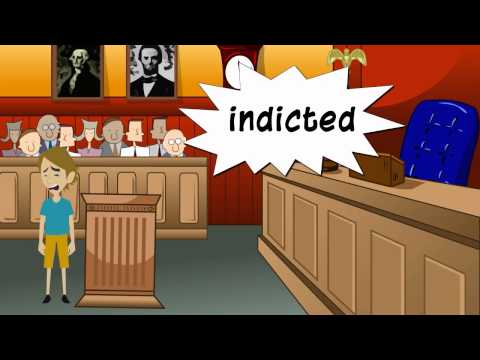
First off, what’s a grand jury? Unlike regular juries that decide whether someone is guilty or innocent in a trial, a grand jury determines if there’s enough evidence to charge someone with a crime. Basically, they’re like gatekeepers for the legal system. If they think there’s enough evidence, they will issue an indictment, which is like saying, “Yeah, we think this person should go to trial.”
How many people are on it? A grand jury usually has between 16 and 23 members. That’s way more than the typical 12-person jury. This larger group allows for diverse opinions and helps ensure that no one person has too much power over the decision-making process.
- No judge present: Unlike courtroom trials where a judge oversees everything, during grand jury proceedings, there isn’t one sitting there watching over things. This means that the prosecutor leads the presentation of evidence without immediate challenges.
- Testimony and evidence: Grand juries hear from witnesses and review documents or other pieces of evidence brought in by prosecutors. They don’t hear defense testimony at this stage—it’s all about evaluating if there’s sufficient cause to proceed.
- Confidentiality: Everything discussed in a grand jury session is kept secret! This confidentiality encourages witnesses to speak freely without fear of backlash.
You might wonder why this secrecy matters. It helps protect those who may not be charged but are still part of the investigation—like potential witnesses. Imagine if everyone knew who testified—they might face intimidation or harassment!
The role of prosecutors is crucial here. They prepare all the materials and guide the discussions based on what they believe can support an indictment. If you’ve ever heard someone say that “the prosecution has to prove their case,” well, that’s true for trials but not quite here; with a grand jury, they’re just looking for enough “probable cause.”
This brings us to how long it lasts. Sometimes deliberations can take weeks or even months! It really depends on how complex the case is and how much evidence needs reviewing.
A little side note: Grand juries aren’t used everywhere! Some states prefer preliminary hearings where instead of a group deciding behind closed doors, it’s done openly in court with both sides present. But that’s another story!
If you find yourself called for duty as a grand juror—congrats! You’re playing an essential role in making sure justice starts off on solid ground (or at least as solid as it can get). Just remember: while it sounds fancy and important—and it is—you won’t necessarily have all day to ponder your decisions like you see in TV shows.
The key takeaway? Grand juries help filter out weak cases before they reach trial by determining whether sufficient grounds exist to proceed with charges against someone accused of serious crimes. So yeah, they’re pretty vital in maintaining balance within our justice system!
Understanding the Role and Function of the Jury in the Legal System
The jury system in the U.S. is a unique part of our legal framework. It’s like having your neighbors help decide if someone broke the law or not. You know, it’s not just about the judge making all the calls.
The role of a jury can generally be broken down into two main types: trial juries and grand juries. Each has its own function, and they both play vital roles in ensuring justice.
Trial juries, often called petit juries, usually consist of six to twelve people. They get to hear all the evidence in a trial, from both sides—like watching a movie where you see all the drama unfold. Afterward, they decide if the defendant is guilty or not guilty based on that evidence. This process helps ensure that defendants are judged fairly by their peers.
Now, grand juries are a bit different. They’re generally larger and consist of 16 to 23 members. Their job isn’t to reach a verdict on guilt or innocence but rather to determine whether there’s enough evidence for a criminal case to proceed to trial. It’s kind of like a preliminary check—think of it as filtering out cases that aren’t strong enough for court.
Here’s how it works: during grand jury proceedings, prosecutors present evidence without the presence of a judge or defense attorney. The grand jury listens and decides if there’s “probable cause.” If they think there is, they issue an indictment, allowing the case to move forward.
It might sound dry, but these folks can hold serious power! Take this example: imagine someone accused of fraud; if a grand jury believes there’s enough evidence against them after hearing testimonies and reviewing documents, they can push charges forward, which can lead to trial.
The secrecy surrounding grand juries makes them different from regular trials too. Everyone involved understands this information stays behind closed doors until charges officially happen; that keeps things under wraps until legally necessary—it’s about protecting reputations until proven otherwise.
The idea behind having these citizen panels is pretty powerful; it keeps government actions in check and adds an element of community involvement in the legal system. If you think about it, having everyday people making these decisions helps bring common sense into complex legal scenarios.
So you see? The jury system is essential for ensuring fair outcomes in legal proceedings while balancing individual rights with society’s need for justice. It fosters trust when we know our peers have a say in what happens—whether it’s deciding a person’s fate or just trying to make sure there’s solid ground before heading into court!
Understanding Judicial Authority: Can a Judge Overrule a Grand Jury Decision?
In the U.S. legal system, grand juries play a unique role. They’re kind of like a group of citizens who get to weigh in on whether there’s enough evidence to bring criminal charges against someone. But what if that grand jury says, “Nope, not enough evidence”? Can a judge swoop in and overrule that decision? Well, let’s break this down.
First off, it’s important to understand what a grand jury does. They meet in secret and listen to evidence presented mostly by prosecutors. Their job is to determine whether there’s “probable cause” to believe a crime was committed. If they find enough evidence, they can issue an indictment—a formal charge that leads to trial.
Now, about that judicial authority. Generally speaking, **a judge does not have the power to overrule a grand jury’s decision** not to indict. The U.S. legal framework treats the grand jury as a critical check on prosecutorial power. Basically, when that group of citizens decides there isn’t enough evidence for charges, their word is pretty much final.
However, let’s add some nuance here since life tends to be messier than just black and white rules. In rare situations—like if there were serious procedural issues or misconduct during the grand jury process—a judge could potentially step in. For example:
1. If someone involved with the grand jury acted inappropriately—think witness tampering or other shenanigans—the court could decide to take another look at things.
2. A judge can dismiss an indictment if it was based on insufficient evidence after it has already been filed by the prosecutor.
So yeah, while judges usually can’t overrule decisions made by grand juries on whether or not to bring charges, they do have some control over how those proceedings are carried out.
Let’s say you’re sitting around with your friends talking about this stuff (it happens!). You might describe it like this: imagine the grand jury as sort of like gatekeepers at a concert; they decide who gets in (or doesn’t) based on some criteria set by the law. The judge sits back as an arbiter of fairness but doesn’t really decide who gets through those gates unless something shady goes down.
If you think about it, this system helps protect citizens from being unjustly accused—a super important aspect of our justice system! It ensures that before someone faces criminal charges, there’s at least some community consensus that says there might be something worth looking into further.
In short: while **a judge can’t simply override** what a grand jury decides regarding indictments most of the time—that independence helps uphold justice as we know it in America!
You know, grand juries might not be the first thing that comes to mind when you think about the U.S. legal system. They kinda hang out in the background, a bit mysterious, and honestly, a bit misunderstood. But they play a crucial role in how our justice system works.
So, picture this: someone’s accused of a serious crime, maybe something really heavy like robbery or even murder. The grand jury steps in before any formal charges are filed. It’s like a checkpoint where they decide if there’s enough evidence to move forward with the case. They don’t decide guilt or innocence—that’s not their gig—they just look at whether there’s probable cause to believe a crime happened and the suspect might be involved.
And here’s where it gets interesting: it’s made up of regular folks from the community. This isn’t some high-flying committee of legal experts; it’s people like you and me who get summoned to serve. Think about that for a second—your peers could determine whether someone faces trial. That can feel pretty heavy!
I remember reading about a case where a local guy was accused of embezzlement at his job. The whole town was buzzing with opinions, but when it came time for the grand jury, those jurors took their duty seriously. They listened to all sorts of evidence and testimonies over weeks. In the end, they decided there wasn’t enough solid proof for an indictment, which left many people shocked but also showed how important it is to have impartial citizens making these decisions.
Another thing about grand juries is that their proceedings are generally secretive—like, super hush-hush—which can feel odd. It protects the reputation of those who might not be guilty yet somehow find themselves wrapped up in accusations. But sometimes this secrecy raises eyebrows about transparency in justice.
All this brings me back to why grand juries matter so much in our legal framework. They act as a filter between accusations and actual trials, ensuring there’s some level of validity before dragging someone through court proceedings. It balances power a bit because it requires law enforcement and prosecutors to have *some* solid evidence before moving forward.
When you think about it, being part of one must be quite an experience—like being on an unexpected journey that has real consequences for people’s lives! So next time you hear “grand jury,” remember they’re not just another part of legal jargon—they represent everyday citizens delving into serious matters that shape justice in our communities!




