
The information provided in this article is intended solely for general informational and educational purposes related to U.S. laws and legal topics. It does not constitute legal advice, legal opinions, or professional legal services, and should not be considered a substitute for consultation with a qualified attorney or other licensed legal professional.
While efforts have been made to ensure the information is accurate and up to date, no guarantees are given—either express or implied—regarding its accuracy, completeness, timeliness, or suitability for any specific legal situation. Laws, regulations, and legal interpretations may change over time. Use of this information is at your own discretion.
It is strongly recommended to consult official sources such as the U.S. Government (USA.gov), United States Courts, or relevant state government and court websites before acting on any information contained on this website or article. Under no circumstances should professional legal advice be ignored or delayed due to content read here.
This content is of a general and informational nature only. It is not intended to replace individualized legal guidance or to establish an attorney-client relationship. The publication of this information does not imply any legal responsibility, guarantee, or obligation on the part of the author or this site.
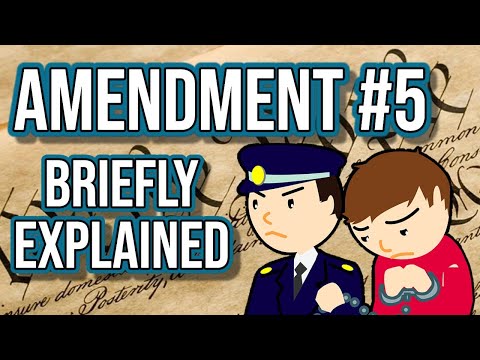
You know that feeling when you hear about someone getting arrested, and you start wondering about their rights? Yeah, it can get a bit intense. Well, one of the big players in all that drama is the Fifth Amendment.
It’s got some serious weight in American law and justice. Like, if you’ve ever heard “I plead the Fifth,” it’s not just a catchy phrase from TV shows—it’s a big deal!
This amendment isn’t just a bunch of legal jargon. It’s all about protecting you, keeping things fair, and making sure no one gets steamrolled by the system. So let’s chat about why it matters so much.
The Significance of the Fifth Amendment: Protecting Rights and Ensuring Justice
The Fifth Amendment is a big deal when it comes to American law. It’s like a shield that protects your rights. This part of the Constitution is all about ensuring fair treatment and preventing anything that might feel like an unfair legal process. Let’s break down its significance.
Protection Against Self-Incrimination
First up, there’s the right against self-incrimination. This means you don’t have to testify against yourself in a criminal case. If you’re ever in hot water, you can “plead the Fifth.” A famous example? Think of someone like Roger Stone, who famously invoked his Fifth Amendment rights during his investigations.
Double Jeopardy
Another key point is double jeopardy. You can’t be tried for the same crime twice if you’ve been found not guilty. Imagine being cleared of charges but then facing them again—doesn’t seem fair, right? This prevents the government from continually putting you on trial until they get a verdict they like.
Due Process
Then there’s due process. The Fifth Amendment guarantees that no one can be deprived of life, liberty, or property without fair legal procedures. It means you have the right to know why you’re being charged and to have a fair trial. Say someone wakes up one day and finds out their land was taken away without any explanation or chance to fight back—that’s not due process!
Just Compensation
Speaking of property, the amendment also covers just compensation when it comes to eminent domain. If the government needs your property for public use (like building a road), they must pay you fairly for it. No sneaky stuff here—you should be compensated appropriately if they take your land!
Grand Jury
Lastly, let’s talk about grand juries. For serious federal crimes, a grand jury must review evidence to decide if there’s enough to go ahead with charges. This acts as an extra layer of protection between you and potential wrongful accusations by making sure there’s enough evidence before things proceed.
In summary, the Fifth Amendment isn’t just some old legal jargon; it’s crucial for keeping our justice system fair and protecting people from potential abuses of power.
Exploring the Impact of the Fifth Amendment on Criminal Justice: Rights, Protections, and Legal Implications
The Fifth Amendment is a big deal in American law, especially when it comes to criminal justice. It’s like a safety net for your rights. You know? This amendment gives you several protections that help balance the power between you and the government. Let’s break down its importance and what it means for you.
Right Against Self-Incrimination
One of the most famous parts of the Fifth Amendment is that whole thing about not having to testify against yourself. This means if you’re ever in a tight spot, like, say you’re being questioned by police, you can say “I plead the Fifth.” It’s pretty powerful! Basically, this helps prevent coerced confessions and keeps everyone from being forced into admitting guilt.
Double Jeopardy Protection
Another cool feature is double jeopardy protection. You can’t be tried for the same crime twice if you’ve been found not guilty. Imagine going through all that stress of a trial only to face it again over the same issue! The law says “nope,” and that’s a huge relief for many people.
Due Process Rights
Then there’s due process. You have to be treated fairly throughout legal proceedings; no one wants to see someone getting railroaded because of some shady practices. Due process means that before the government can take away your life or liberty, they have to follow certain steps and give you a fair chance to defend yourself.
Grand Jury Requirement
The Fifth Amendment also talks about grand juries for serious crimes—this is like an initial check on whether there’s enough evidence to hold a trial. So before even going through all the hassle of a trial, there’s some scrutiny about whether it’s worth everyone’s time.
Takings Clause
You know how sometimes the government takes land for public use? Well, under the Fifth Amendment’s takings clause, they need to pay you just compensation for it. So if they want what you’ve got—like your property—they have to deal fairly with you.
These rights create an essential framework in our legal system. The impact of these protections cannot be overstated. They ensure that everyone—no matter who you are—gets treated fairly under U.S law.
I remember hearing this one story about a guy who was arrested but never really understood his rights while he was being questioned by police. He ended up saying things that were used against him later on because he didn’t know he could just stay quiet! It’s wild how easily things can spiral out of control without those protections in place!
In short, the Fifth Amendment is an essential part of American justice that helps safeguard individual freedoms while ensuring that due process is followed. Knowing these rights empowers you when facing legal troubles or navigating through our sometimes-complicated court systems. The takeaway? Always remember: knowing your rights ensures that justice is served fairly!
Exploring the 5 Key Rights Guaranteed by the 5th Amendment
The 5th Amendment is super important in American law. It’s all about protecting your rights when you’re involved in legal proceedings. So, let’s break down the **five key rights** that this amendment guarantees.
1. The Right to Remain Silent
First off, you have the right to not speak if you’re accused of a crime. This means, like during interrogations or court, you don’t have to say anything that could make you look guilty. You know that phrase “I plead the Fifth”? That’s what it’s about! It helps prevent self-incrimination. Imagine being scared and pressured to talk—you could say something that could get you in deeper trouble.
2. Protection Against Double Jeopardy
Next up, there’s protection against double jeopardy. You can’t be tried for the same crime more than once if a jury already found you not guilty. So let’s say you were accused of theft but got acquitted; they can’t bring it up again. That gives people peace of mind because it keeps your life from being dragged through endless court battles.
3. Due Process of Law
Due process is another biggie here. This means everyone deserves a fair trial and must be treated fairly by the legal system—like being told what you’re charged with and having a chance to defend yourself in court. Picture this: you’re facing serious charges but have no idea what’s going on or no lawyer to help—that wouldn’t feel right at all!
4. Grand Jury Indictment
Now onto grand jury indictment—this means that before someone can be charged with serious crimes (like felonies), there has to be enough evidence presented to a group called a grand jury first. They basically decide if there’s enough cause to formally accuse someone of a crime, which serves as an additional safety net against wrongful accusations.
5. Protection Against Self-Incrimination and Eminent Domain
Lastly, there’s the part about self-incrimination again and eminent domain—meaning if the government wants your property, they gotta pay fair market value for it! This ensures that if they take something away from you for public use, it’s not just snatched without compensation.
So there you have it—the 5th Amendment really does pack quite a punch when it comes to safeguarding individual rights within our legal system! It makes sure justice is served fairly while protecting us from abuses along the way. Each part plays a vital role in ensuring every person has their day in court and stands on equal ground before the law, keeping things balanced and fair as best as possible!
You know, the Fifth Amendment kind of feels like that superhero cape tucked away in a closet—often overlooked, but super important when things get rough. It’s part of the Bill of Rights, and it’s got some serious weight in American law and justice. So, what’s all the fuss about?
To kick things off, one of the coolest things about the Fifth Amendment is that it protects you from self-incrimination. Imagine sitting in a room, feeling all those eyes on you while being questioned about something you didn’t even do. The amendment lets you say, “Thanks but no thanks—I don’t want to help you build a case against me.” It’s your right to keep quiet if talking could land you in hot water. That’s a powerful tool!
But it doesn’t stop there! The amendment also talks about double jeopardy—meaning you can’t be tried for the same crime twice if you’re found not guilty. Let’s say someone gets accused of stealing ice cream (which is serious business). If they’re cleared of that charge, they can walk away knowing they won’t face the same accusation again. It just keeps things fair and square.
And hey, there’s also due process—a fancy way of saying everyone deserves fair treatment under the law before being deprived of life, liberty, or property. Picture a situation where your buddy just wakes up one day and finds his car vanished because someone said he stole it without any proof. Not cool! The Fifth Amendment ensures there has to be solid evidence and legal steps before any drastic actions take place.
Now let me hit pause for a sec because it’s not just textbook stuff we’re talking about here; this plays out in real life too. I remember hearing about someone who faced charges after an old high school party gone wrong—it was wild! A few friends were dragged into the whole mess with what felt like no evidence at all against them. Thanks to their rights under the Fifth Amendment, they managed to navigate through that chaos without just being tossed aside by the system.
But look, despite all its significance, some folks might feel like it’s kind of overused or even exploited by those trying to dodge justice altogether. You know how people can be! Yet, it really boils down to having safeguards in place so everyone can feel secure when facing legal troubles.
So yeah—the Fifth Amendment plays a crucial role in shaping our legal landscape. It gives people tools they need to protect themselves while ensuring that society runs on fairness rather than chaos. To have a law system that values these rights means we give everyone at least some level playing field when life throws curveballs their way.




