
The information provided in this article is intended solely for general informational and educational purposes related to U.S. laws and legal topics. It does not constitute legal advice, legal opinions, or professional legal services, and should not be considered a substitute for consultation with a qualified attorney or other licensed legal professional.
While efforts have been made to ensure the information is accurate and up to date, no guarantees are given—either express or implied—regarding its accuracy, completeness, timeliness, or suitability for any specific legal situation. Laws, regulations, and legal interpretations may change over time. Use of this information is at your own discretion.
It is strongly recommended to consult official sources such as the U.S. Government (USA.gov), United States Courts, or relevant state government and court websites before acting on any information contained on this website or article. Under no circumstances should professional legal advice be ignored or delayed due to content read here.
This content is of a general and informational nature only. It is not intended to replace individualized legal guidance or to establish an attorney-client relationship. The publication of this information does not imply any legal responsibility, guarantee, or obligation on the part of the author or this site.
So, you just got offered a gig as a physician, huh? Exciting stuff! But wait—before you sign on the dotted line, there’s something you need to pay attention to: the employment agreement.
These contracts can be like a maze. Some are straightforward, while others are packed with legal jargon that might make your head spin. Seriously, it’s like trying to read another language sometimes.
You want to know what’s in there, right? I mean, this is about your career and future. There are things like salary details, benefits, and so much more that could really impact your life.
Let’s break it down together. You’ll want to be sure you’re making informed choices while navigating those tricky terms and conditions. Ready? Let’s dive into this wild world of physician employment agreements!
Comprehensive Guide to Understanding Physician Employment Agreements in U.S. Law: Key Samples and Insights
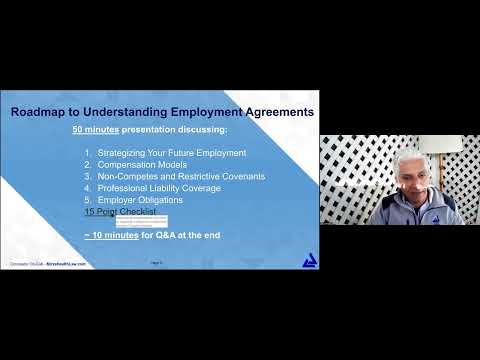
Physician employment agreements can feel like a maze, right? If you’re diving into one of these contracts, it’s super important to know what you’re getting into. These agreements basically outline the relationship between a physician and an employer, usually a hospital or clinic. You want to be clear on your rights and responsibilities.
What’s in an Employment Agreement?
You might be wondering what’s typically included in these agreements. Here are some key elements:
- Job Description: This clearly states what your role will be, what kinds of patients you’ll see, and whether you’ll perform surgeries or other procedures.
- Compensation: This outlines your salary and any bonuses. You want to know how you’ll get paid—monthly, bi-weekly—plus any bonuses for meeting certain goals.
- Benefits: Health insurance, retirement plans, vacation time—these are crucial details! Make sure you understand how much time off you get each year.
- Termination Clause: This part is about how either side can end the agreement. Pay attention here; if things go south, this is key!
- Non-compete Clause: Often included to limit where you can practice after leaving the job. You might not be able to work within a certain radius for a set period.
Now picture this: a friend named Jill got an offer from a big hospital after years of residency. Her employment agreement looked great at first glance! But then she noticed that the non-compete clause would prevent her from working anywhere within 50 miles for two years if she left. Yikes! She had to negotiate that down before she signed.
Navigating Terms
Now let’s talk about salaries. The American Medical Association publishes data on average salaries based on specialty. It helps to know what others in your field are making so you can negotiate accordingly.
And don’t overlook medical malpractice insurance. Some employers cover these costs while others may require you to pay for them yourself. Imagine getting hit with a $30k premium right after starting!
Your Rights Matter
It’s also crucial to understand your rights under U.S. law when negotiating these contracts. For instance, under various laws like the Fair Labor Standards Act (FLSA), it protects against unfair wages and working conditions.
Let’s say you’re coming fresh out of school; if they offer less than the average salary for your specialty in that region, don’t hesitate to ask why! Information is power here.
The Role of Legal Help
Lastly, I’d really recommend consulting with someone who knows contracts well—like an attorney experienced in healthcare law. They can help clarify any confusing language and look out for red flags.
In short, understanding physician employment agreements is more than just signing on the dotted line; it’s about knowing your worth and protecting your future as a physician! It’s all about being informed so you can make decisions that positively impact your career path.
Comprehensive Guide to Navigating Physician Employment Agreements Under U.S. Law (PDF)
Physician employment agreements can feel a bit like trying to read a foreign language, right? You know, it’s all those legal terms that make your head spin. But don’t worry, I’m here to break it down for you in plain English. Let’s dive in.
First off, what exactly is a physician employment agreement? It’s a legal document that outlines the working relationship between a physician and their employer, most often a hospital or healthcare system. Think of it as the rulebook for your job—you want to be clear on what you’re signing up for!
Now, when you’re looking at these agreements, pay attention to key components that can really affect your career. Here are some biggies you should watch out for:
- Compensation: This part details how much you’ll get paid and how it’s structured—like base salary, bonuses, or incentives for production.
- Duration: Most agreements specify the term of employment. You’ll want to know how long you’re committing.
- Termination clauses: Understand how either party can end the contract. Is there a notice period? What if the employer wants to let you go?
- Duties and responsibilities: This section outlines what’s expected from you day-to-day—make sure it aligns with your career goals.
- Non-compete clauses: Be cautious here! These clauses can limit where you can work after leaving the job—sometimes for years.
Now let me tell ya—a friend of mine recently signed one of these agreements without truly reading through it carefully. Just a few months later, he realized he couldn’t work at any clinic within 50 miles if he left his job. Yikes! Lesson learned: always read before you ink!
Also, beneath all those legalese words, there’s something called “fair market value.” This matters because compensation should be within this range so that hospitals or clinics comply with Stark Law and anti-kickback statutes—not exactly exciting bedtime reading but super important!
If there are other benefits like health insurance or retirement plans mentioned in your contract, make sure they’re clearly spelled out too. You want to know what you’ll actually get besides just your paycheck.
What about changes? Sometimes things need tweaking after you’ve settled in for a while. Look into what procedures are in place if either party wants to make amendments.
Finally, don’t shy away from seeking help! Consider having an attorney who specializes in healthcare contracts take a look at yours before signing on the dotted line. It might seem costly upfront but think of it as an investment in your future.
In short: navigating physician employment agreements might appear daunting at first glance but breaking it down into parts makes it more manageable—just like anything else in life. So do yourself a favor and always keep an eye on those crucial details!
Understanding Physician Employment Agreements: Key Insights and Legal Considerations in US Law (2021)
Navigating physician employment agreements can feel a bit like stepping into a minefield. If you’re a doctor about to sign on the dotted line, or even just curious, there are some key points you really need to understand. Basically, these agreements spell out your job duties, compensation, and other important aspects of your work life.
Contract Basics
First off, let’s talk about what’s usually found in these contracts. You’ll see things like:
- Job Description: This outlines your specific roles and responsibilities. Are you doing surgeries? Office visits? Make sure you’re clear on what’s expected.
- Salary and Compensation: How much are you getting paid? Is there a bonus structure? It’s super important to understand how and when you’ll be compensated.
- Non-Compete Clauses: These can be tricky! They may prevent you from practicing in certain areas after leaving. Just know that they vary by state.
- Termination Conditions: What happens if things don’t work out? Make sure you know what rights you have if either party wants to end the agreement.
Now imagine being fresh out of medical school, fired up to start your career. You join an exciting new practice but don’t totally get the non-compete clause—that could stop you from working for miles! Later on, when things don’t pan out, you can find yourself in quite a bind.
Legal Considerations
So here comes the legal stuff. The major laws influencing these contracts include state regulations and federal laws such as those related to Medicare and Medicaid reimbursement. Always consider:
- State Laws: These vary widely; some states enforce non-compete clauses strictly while others are much more lenient.
- The Stark Law: This restricts physician referrals for certain health services when there’s a financial relationship involved. It’s essential for compliance!
It’s not just about reading fine print; understanding these laws is crucial for protecting your practice and income.
Navigating Negotiations
When it comes time to negotiate your contract, don’t just accept everything as is! Really think about what works for you personally and professionally:
- Be Open About Expectations: Discuss your goals with potential employers. You want them to be on the same page.
- Seek Legal Help: Seriously consider having an attorney look over the agreement before signing anything. They can help highlight potential red flags.
Picture this: you’ve signed a contract without fully understanding all the terms—months later, you’re locked into something that doesn’t fit with what you want in life or career!
The Bottom Line
Ultimately, diving into physician employment agreements means striking a balance between legalities and practicality. Pay attention to every detail—after all, this isn’t just paperwork; it’s about shaping your future as a healthcare provider.
Keep in mind that knowing your rights—and what you’re signing—could save you lots of headaches down the road! So take it seriously; understanding this stuff helps ensure that your career starts off on solid ground.
So, you’ve landed a gig as a physician, huh? That’s pretty awesome! But before you start practicing medicine, there’s this little thing called a physician employment agreement that you’ll need to wrap your head around. I know, I know—sounds super boring, right? But stick with me for a minute.
Basically, these agreements lay out the terms of your employment. They define everything from your salary and benefits to your duties and termination clauses. And trust me, you don’t want to overlook these details. It’s like reading the fine print on a lease or a phone contract—totally not fun but necessary.
I remember when my friend Sarah got her first job as an ER doctor. She was so eager to get started that she barely glanced at her contract. A few months in, she found out her hours were way more demanding than she’d expected because the agreement had some vague language about being “flexible.” Yikes! It was tough watching her juggle burnout along with her patients.
So here’s the deal: when you’re looking over your agreement, keep an eye out for key points like non-compete clauses or bonuses linked to performance. Some employers might try to tie you down in ways that could limit your future opportunities—you don’t want that!
And then there’s compensation rates; they can vary widely and it’s worth doing some homework on what’s standard for your specialty in your area. You might feel tempted just to sign what looks good on the surface but digging deeper could save you from financial headaches later.
Also, don’t be shy about negotiating! Seriously, it can be intimidating, but this is your career we’re talking about. If something feels off or unfair—even if it seems minor—bring it up! You’ve got every right to advocate for yourself.
At the end of the day, understanding how to navigate these agreements not only protects you but also sets you up for success in your new role as a physician. And hey, if you’re ever unsure about something legal lurking in there—like terms regarding malpractice coverage or patient care protocols—reaching out for legal advice could be time well spent.
So yeah, take a breath and give that contract the attention it deserves. After all those years of hard work and schooling, setting things up right now will help ensure that you’re focused on healing instead of getting bogged down by legal issues later on!




