
The information provided in this article is intended solely for general informational and educational purposes related to U.S. laws and legal topics. It does not constitute legal advice, legal opinions, or professional legal services, and should not be considered a substitute for consultation with a qualified attorney or other licensed legal professional.
While efforts have been made to ensure the information is accurate and up to date, no guarantees are given—either express or implied—regarding its accuracy, completeness, timeliness, or suitability for any specific legal situation. Laws, regulations, and legal interpretations may change over time. Use of this information is at your own discretion.
It is strongly recommended to consult official sources such as the U.S. Government (USA.gov), United States Courts, or relevant state government and court websites before acting on any information contained on this website or article. Under no circumstances should professional legal advice be ignored or delayed due to content read here.
This content is of a general and informational nature only. It is not intended to replace individualized legal guidance or to establish an attorney-client relationship. The publication of this information does not imply any legal responsibility, guarantee, or obligation on the part of the author or this site.
Alright, let’s kick things off, yeah? So, have you ever heard about Pierson v. Ray? It’s one of those cases that feels like a movie plot twist—it had a real impact on how juries work in America.
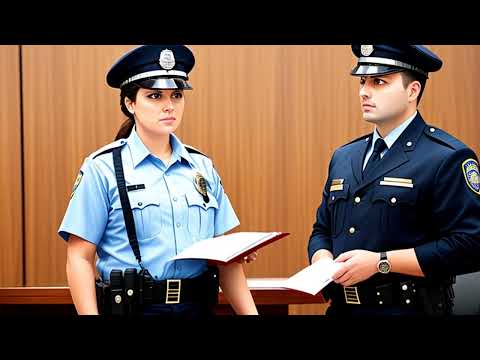
Picture this: cops, a wrongful arrest, and some serious questions about fairness. Sounds like a drama, right?
But it’s more than just drama; it shaped the way we think about justice and accountability. You know how jury duty can feel like a drag? Well, this case added some spice to it all!
Stick around as we dig into what went down in Pierson v. Ray and why it still matters today. Trust me, it’s a ride worth taking!
Key Legal Arguments in Pierson v. Post: An Analysis of Property Rights and Hunting Law
So, let’s talk about the famous case of **Pierson v. Post**. This was a big deal back in 1805 and it’s still a hot topic today when people discuss property rights and hunting laws. Alright, picture this: You’re out hunting with your dog, tracking a fox through the woods, right? That’s what happened to Post. He was chasing this fox, thinking he had it in the bag—until Pierson swoops in and snatches it right from under him. Talk about dramatic!
Now, at its core, **Pierson v. Post** is all about ***who legally owns that fox***. The court had to look at what gives someone rights over an animal that’s still roaming wild. Can you just call dibs on something that isn’t in your possession yet? Spoiler alert: The court said no.
Key Legal Arguments:
- Possession versus Pursuit: The main argument revolved around whether simply chasing an animal gives you any sort of legal claim over it. The ruling suggested that being first to pursue doesn’t count unless you actually catch it.
- Custom versus Law: There was also the idea that there were local customs regarding hunting rights. But customs can’t override written law—this was a big lesson for local hunters.
- Animal Capture: The court essentially stated that for an animal to be yours under the law, you need to have taken actual control over it. So until Pierson physically caught that fox, he had no legal right to it.
You see where this is going? The case established pretty solid rules for how we think about property rights with wild animals.
Moving on from just hunting law and into something deeper—this case really influenced how juries operate today too. Why’s that? Well, look at how meticulous the court had to be about defining **ownership** and **rights** based on behavior and actions rather than merely intentions or claims.
The Impact on the American Jury System:
- Clarity of Legal Principles: By clarifying how possession works legally, juries now have more concrete standards when they deliberate cases involving property disputes.
- Evolving Precedents: Each time a jury confronts a case involving property rights or claims of ownership, they often rely on precedents like Pierson v. Post to frame their decisions.
- Cultural Reflections: This case also reflects societal values around ownership and fairness in competition—something jurors today grapple with in various scenarios across different legal contexts.
So yeah, this isn’t just some dusty old case; it sets off ripples through our legal landscape even now! It teaches us about what constitutes true ownership while highlighting how we interact with both nature and each other concerning those rights.
And honestly? It gives you some food for thought regarding our own interactions—who really owns what in life? Always keep an eye on those laws; they might sneak up on you when you’re least expecting them!
Analysis of Court Ruling in Dickerson Case: Key Decisions and Implications
So, let’s chat about the **Dickerson case** and its connection to **Pierson v. Ray**. This stuff can get kind of tricky, but I’ll break it down for you in a way that makes sense.
The **Dickerson case**, decided by the U.S. Supreme Court in 2000, revolved around a guy named **Michael Dickerson**, who had been arrested without being read his Miranda rights. You know, the whole “you have the right to remain silent” spiel? Well, Dickerson argued that his confession shouldn’t be used against him because he hadn’t been told about those rights.
The Supreme Court concluded that you can’t just toss out Miranda rights like yesterday’s news. They reaffirmed that these rights are part of our justice system, affirming their importance in protecting individuals against self-incrimination. Basically, this ruling made it clear that anything said during interrogation has to respect those rights.
Now, shifting gears to **Pierson v. Ray**, which happened way back in 1967. This case dealt with civil rights and police officers using a defense called “qualified immunity.” It’s a fancy way of saying they’re protected from lawsuits if they’re doing their jobs and don’t violate clearly established laws or rights.
So how do these two cases connect? Well, after *Pierson*, law enforcement gained some wiggle room regarding accountability when acting under the belief that what they’re doing is lawful. But *Dickerson* pushed back against this sort of shield by reinforcing the necessity of protecting individual rights during police encounters.
Let’s consider a few key takeaways:
- Mantle of Protection: The Dickerson ruling ensured Miranda rights can’t be ignored; they’re essential for fair legal proceedings.
- Accountability: By supporting Miranda, Dickerson places more responsibility on law enforcement to follow proper procedures.
- Civil Rights Focus: The essence of *Pierson* was about balancing public safety with personal freedoms, a theme echoed in *Dickerson*.
These decisions create ripple effects throughout the legal system and especially within jury trials. They affect how jurors perceive evidence based on whether or not they think someone’s constitutional rights were respected during an arrest or interrogation.
On a human level—imagine being in an interrogation room where you feel cornered and scared. That feeling could influence what you say when you’re not even aware you’re being trapped without your basic rights being acknowledged! These cases remind us that legal boundaries aren’t just paperwork; they’re tied to our everyday lives and freedoms.
So yeah, between protecting individual voices with *Dickerson* and holding police accountable through *Pierson*, we see an ongoing dance in our justice system that’s critically important—and deeply emotional for many people navigating it every day!
US Supreme Court Ruling on Race-Based Peremptory Juror Strikes: Key Case Analysis
The U.S. Supreme Court ruling on race-based peremptory juror strikes is a pretty significant topic that ties into the concept of fairness in the jury system. One key case to discuss here is Pierson v. Ray, which came down in 1967 and has been influential in shaping how peremptory challenges are viewed, especially regarding race.
So, what are peremptory strikes? Well, they’re a way for attorneys to reject potential jurors without giving a reason. It’s like saying, “I just don’t want that person on the jury,” and it’s totally legal—up to a point. The important thing about them is that they shouldn’t be used to discriminate based on race or other protected classes.
In Pierson v. Ray, the court tackled issues surrounding these strikes and qualified immunity, focusing on an incident involving police officers who were accused of civil rights violations. The case brought forth questions about whether jurors could be excluded based solely on their race when selecting juries.
The Supreme Court ruled that while states could still use peremptory challenges, they had to uphold equal protection under the law. That means you can’t kick someone off a jury just because of their skin color—there needs to be more substance behind those decisions.
Now, let’s break it down a little more with some key points:
- Equal Protection Clause: This clause of the Fourteenth Amendment ensures no one is denied equal protection under the laws. It’s crucial in jury selection because if racial bias sneaks in during this process, it violates this principle.
- Standards for Proof: In later rulings like Batson v. Kentucky (1986), the Supreme Court set up guidelines for how courts should evaluate claims of racial discrimination when it comes to peremptory strikes.
- The Role of Race: The idea is that lawyers should exhibit “colorblind” practices when selecting jurors—this ensures diverse representation and fair trials.
Let me tell you a story—it really brings this home! Imagine you’re sitting in court, waiting for your turn as a potential juror. You notice that some people are being dismissed without any explanation at all while others stay put. If someone feels they were rejected because of their background rather than their qualifications or beliefs, that’s where things get tricky and unfair.
To wrap it up somewhat: Pierson v. Ray, amidst its broader focus on civil rights violations and police authority, nudged the legal community toward recognizing essential protections against racial bias in jury selection processes. It laid groundwork for asserting that every individual deserves an unbiased chance at serving on a jury, which ultimately reflects the community’s justice system better!
So yeah, understanding these rulings helps highlight how crucial your role might be if you’re ever called for jury duty—it’s about fairness for everyone involved!
Alright, let’s chat about “Pierson v. Ray,” a case that really shook things up in the American legal system back in 1967. You know, when we think about juries and how they work, it’s easy to forget that some of these principles were hard-won through battles in courts.
So, here’s the gist: This case involved a couple of cops who arrested a man without a warrant. The twist? They thought they were acting in good faith under an old law. But when this guy got tossed into jail and then sued for wrongful arrest, everything changed. The Supreme Court ultimately sided with the officers, saying they had immunity since they believed their actions were lawful at the time.
Now, why does this matter for juries? Well, “Pierson v. Ray” set important precedents regarding qualified immunity for public officials—specifically police officers—meaning juries would have to consider not just the actions taken but also the intention behind those actions when deciding cases involving government employees. This led to more nuanced discussions in jury rooms across the country.
Picture yourself sitting on a jury trial about law enforcement. If you’re trying to weigh whether someone acted wrongfully or not, you’d think about what was happening in their mind at that moment—what they believed to be true. That can swing a case one way or another pretty dramatically! And that’s a big deal when you’re handing down justice.
There’s also an emotional angle here that’s hard to ignore. Imagine being wrongfully accused and thrown into jail without cause! It’d be gut-wrenching! But then again, you get why officers sometimes make snap decisions based on what they believe is right at that moment.
The ripple effect from “Pierson v. Ray” is still felt today in courtrooms everywhere; it taught juries to look deeper than just the surface of an incident and consider context and intentions more carefully.
In the end, this case didn’t just shape legal doctrine; it added layers to our understanding of justice itself through how jurors view their roles and responsibilities in delivering verdicts. So next time you’re called for jury duty, remember you’re part of something bigger—a legacy where your perspective can help shape outcomes based on fairness and understanding rather than just black-and-white rules. How cool is that?




