
The information provided in this article is intended solely for general informational and educational purposes related to U.S. laws and legal topics. It does not constitute legal advice, legal opinions, or professional legal services, and should not be considered a substitute for consultation with a qualified attorney or other licensed legal professional.
While efforts have been made to ensure the information is accurate and up to date, no guarantees are given—either express or implied—regarding its accuracy, completeness, timeliness, or suitability for any specific legal situation. Laws, regulations, and legal interpretations may change over time. Use of this information is at your own discretion.
It is strongly recommended to consult official sources such as the U.S. Government (USA.gov), United States Courts, or relevant state government and court websites before acting on any information contained on this website or article. Under no circumstances should professional legal advice be ignored or delayed due to content read here.
This content is of a general and informational nature only. It is not intended to replace individualized legal guidance or to establish an attorney-client relationship. The publication of this information does not imply any legal responsibility, guarantee, or obligation on the part of the author or this site.
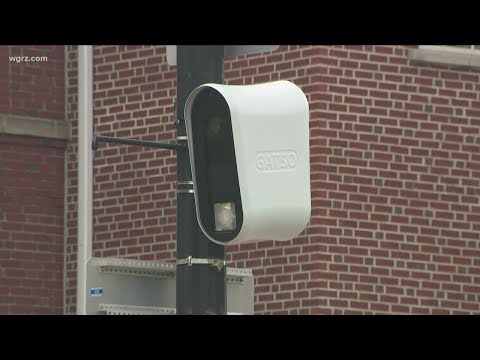
You know those moments when you’re just driving along, minding your own business, and suddenly—flash! Yeah, that’s a speed camera catching you. You feel that little panic rise, right?
Red light cameras and speed traps are everywhere these days. Seriously, it seems like they pop up overnight. But let me tell you, there’s more to them than just snapping photos of our speeding cars.
People have been fighting back in court against these cameras for years now. And honestly? It’s a pretty wild legal game out there. So buckle up as we take a ride through the world of red light and speed camera challenges in the U.S. You might find it more interesting than you think!
Understanding the Legality of Red-Light Cameras in the U.S.: Are They Illegal?
So, red-light cameras are a hot topic these days. Some people think they’re super helpful for safety, while others claim they’re just, you know, cash cows for cities. The legality of these cameras can get a bit murky, though. So let’s break it down.
First off, red-light cameras are generally legal in most states. This means cities can set them up to catch folks who run red lights. But the thing is, not every state uses them the same way. Some places have strict regulations about how and when they can be used, while others have very little oversight at all.
Here’s where it gets interesting: some states don’t allow them at all. For instance, you’ll find that places like New Hampshire and North Dakota have banned the use of red-light cameras entirely. They argue that those cameras might infringe on privacy rights or lead to unfair ticketing practices without proper due process.
But in states where they are allowed, there’s usually some kind of framework governing their use. Cities often need to make sure they’re using the technology properly and issuing tickets fairly. That means sometimes there are specific rules about signage – like making sure drivers know there’s a camera ahead – and guidelines for how to handle disputes over violations.
Now let’s talk about those pesky legal challenges that pop up from time to time.
They argue that automated systems can’t replace human judgment when it comes to something as nuanced as traffic violations. And courts have thought about this too; some cases have been dismissed while others resulted in changes to camera policies.
Also worth noting is how much money these programs generate. Many argue that municipalities might focus more on revenue than on actual safety improvement. You see this concern echoed in various lawsuits across the nation where plaintiffs contest not just the tickets but also the city’s motives behind using cameras.
On a personal level: I once knew someone who got hit with a hefty ticket from a red-light camera after thinking they’d made it through an intersection safely. They were furious! It turned out their car crossed just fractions of a second after the light changed—triggering that snap! Their experience is pretty common, and it shows how blurry this whole issue can be between law enforcement goals and individual rights.
In summary, while red-light cameras are legal in many states, their implementation varies widely and often leads to court battles around privacy rights and financial motives. It’s definitely worth keeping an eye on this topic as technology continues to evolve—and so do our laws!
Exploring States That Implement Speed Cameras on Highways: A Comprehensive Overview
So, let’s talk about speed cameras on highways in the U.S. They’re kind of a big deal, but they can also stir up quite a bit of controversy. You might have seen those cameras snapping pictures of speeding cars as you cruise down the freeway. But what states are actually using them, and why are they doing it?
Speed Cameras: The Basics
Speed cameras are automatic devices that monitor how fast a vehicle is going. When you exceed the speed limit, the camera captures your license plate and sends you a ticket in the mail. Pretty straightforward, right? States claim it’s all about safety—slowing down reckless drivers and reducing accidents.
Now here’s where it gets interesting. Not every state is on board with this technology. Some have embraced it wholeheartedly, while others have pushed back against its use.
States with Speed Cameras
- Arizona: Known for its extensive use of photo enforcement, Arizona has cameras on highways that pop up in areas with a history of speed-related accidents.
- California: While not as widespread, California has incorporated speed cameras in certain urban areas like school zones.
- Illinois: This state has adopted both red-light and speed cameras to curb reckless driving.
- New York: New York City runs speed camera programs aimed at protecting pedestrians and reducing crashes.
- Texas: Texas allows cities to use speed cameras in construction zones but hasn’t widely implemented them elsewhere.
Each state has its own rules regarding how these cameras operate and where they can be used. For example, some states require clear signage indicating camera presence; others don’t.
The Legal Challenges
But hold up! Not everyone loves these high-tech ticketing systems. Numerous legal challenges have come about questioning their fairness and efficacy. Critics argue that speed cameras often serve more as revenue generators than actual safety measures.
There’ve been debates over whether ticketing without human oversight is constitutional or if it violates due process rights because you don’t get to contest the ticket immediately like you would with a regular officer pulling you over.
In some places, citizens have pushed back hard against these systems. Lawsuits sprout up claiming issues like faulty camera calibration or overly aggressive enforcement tactics that seem unfair.
Anecdote Time!
Imagine this: A friend of mine got caught by one of those pesky highway speed cameras after he misjudged his pace while listening to his favorite podcast. He didn’t even know he was speeding! So when the ticket showed up a few weeks later with an automated photo of his car, he was shocked—who wouldn’t be? It felt impersonal and frustrating since he couldn’t talk to an officer about it right there on the spot.
The Bottom Line
In short, whether you’re for or against these highway speed cameras really depends on where you stand on traffic safety versus personal rights. Some people see them as essential tools for saving lives; others view them as intrusive cash cows for local governments.
What’s clear is that this conversation isn’t going away anytime soon! States will likely continue wrestling with how best to balance public safety with fairness when enforcing traffic laws using technology like this.
Understanding the Legality of Speed Cameras in Florida: Regulations and Enforcement
Speed cameras, you know, those little devices that snap your picture when you’re speeding? They’ve been a hot topic in Florida for a while. So let’s break it down—what’s the deal with them?
First off, the legality of speed cameras in Florida boils down to state laws and local ordinances. In 2010, Florida passed a law to officially allow counties and municipalities to use these cameras, but there are some rules in place. The thing is, they can only be used in specific areas—like school zones or work zones.
Now, here’s where it gets interesting: not all places are on board. Some cities have really embraced speed cameras, while others have decided to keep them out. It’s kind of like how some folks love pineapple on pizza and others think that’s just wrong!
What happens is when you get caught by one of these cameras, you typically receive a ticket in the mail. The fine usually ranges from $100 to $250 depending on how fast you were going over the limit. But remember—this isn’t like getting a speeding ticket from a cop on the highway; it doesn’t go on your driving record! Pretty wild, right?
Now let’s talk about enforcement.
One emotional anecdote: I remember hearing about this school zone near my buddy’s house where kids would cross every day. The parents were getting worried because cars were zooming by way too fast. After they installed speed cameras there, accidents dropped dramatically! It kinda shows how they can actually help keep people safe.
However, not everyone thinks speed cameras are a good idea. There’ve been legal challenges claiming that they violate due process rights since some argue it’s hard to prove who was driving at the time of the offense if there are multiple people in the car.
Also, there is constant debate about whether cities use them for revenue instead of safety. That means some towns might be more interested in raking in those ticket fines rather than genuinely trying to cut down on speeding—which feels kinda shady if you ask me!
Overall, while speed cameras can indeed serve as an effective tool for encouraging safe driving practices in certain areas of Florida, their legality and effectiveness still spark plenty of debates among residents and lawmakers alike. So keep an eye on those signs next time you’re cruising through town!
So, you know when you’re driving and you see that flash from a red light camera? It’s like the moment freezes. Your heart might race a little, right? You’re left wondering if it just snapped your picture while you were, um, maybe not exactly following the law.
Now, red light and speed cameras are everywhere these days. They pop up in cities big and small, trying to keep folks safe on the road. But here’s the thing: they’ve stirred up a whole lot of legal debate. Why? Well, some people argue that these cameras are just money-makers for cities rather than genuine safety measures. It’s like a double-edged sword.
Take this for example: Imagine you get one of those pesky tickets in the mail. You’re sitting there reading it, thinking, “Wait a minute! Was I really speeding?” And maybe you weren’t! Those cameras can sometimes be inaccurate or catch drivers off-guard. A buddy of mine got one after he swore he stopped at a red light—only to find out the timing was off when he checked it.
What’s interesting is how different states or even cities handle these cameras legally. Some folks challenge their tickets all the time in court, claiming things like lack of due process or challenging how reliable those cameras really are in recording offenses. In New Jersey, for instance, there was this big case where drivers argued they weren’t given proper notice about their rights before getting slapped with fines.
Then there’s privacy concerns too! People start questioning whether having these cameras everywhere invades personal space or tracks your movements too much. So yeah, there’s quite a bit going on behind those flashing lights.
The other day I heard someone say that it feels like being judged by an invisible jury—one that’s just watching without knowing your side of the story. And honestly? That kinda sums it up! You’ve got your rights but then there’s this technology that doesn’t give room for explanation or context.
At the end of it all, while these cameras aim to keep us safer on our roads (and maybe help with traffic issues), they come with plenty of legal headaches and questions about fairness and oversight. Just make sure you’re aware next time you’re done driving home late at night—better to be safe than sorry if you don’t want that flash to catch you off guard!




