
The information provided in this article is intended solely for general informational and educational purposes related to U.S. laws and legal topics. It does not constitute legal advice, legal opinions, or professional legal services, and should not be considered a substitute for consultation with a qualified attorney or other licensed legal professional.
While efforts have been made to ensure the information is accurate and up to date, no guarantees are given—either express or implied—regarding its accuracy, completeness, timeliness, or suitability for any specific legal situation. Laws, regulations, and legal interpretations may change over time. Use of this information is at your own discretion.
It is strongly recommended to consult official sources such as the U.S. Government (USA.gov), United States Courts, or relevant state government and court websites before acting on any information contained on this website or article. Under no circumstances should professional legal advice be ignored or delayed due to content read here.
This content is of a general and informational nature only. It is not intended to replace individualized legal guidance or to establish an attorney-client relationship. The publication of this information does not imply any legal responsibility, guarantee, or obligation on the part of the author or this site.
So, let’s talk about something that’s not exactly the most exciting topic, but it really matters: the Statute of Descent and Distribution. I know, it sounds dry, right? But stick with me for a sec.
Imagine this: someone you love passes away and they didn’t leave a will. You might wonder, “Who gets what?” That’s where these laws come into play. They’re basically a roadmap for how a person’s stuff—like money, property, you name it—gets split up.
It’s kind of like an unexpected puzzle you’ve got to solve when emotions are running high. And trust me, knowing how this whole process works can save you from some serious headaches down the line. So, let’s break it down together!
Understanding the Statute of Descent and Distribution: A Comprehensive Guide
The statute of descent and distribution is a really important part of estate law in the U.S. It basically lays out how a person’s assets are divided when they pass away, especially if they didn’t leave a will. Understanding this can really help you know what to expect if you’re ever dealing with an estate situation. So, let’s break it down.
What is the Statute of Descent and Distribution?
Think of it like a safety net. When someone dies without a will—also called “intestate”—this statute kicks in. It tells us who gets what. Each state has its own version, which means the rules can vary quite a bit depending on where you live.
How Does It Work?
Each state’s law defines heirs, which are basically the people who have legal right to inherit. Common heirs usually include spouses, children, parents, and siblings. If no direct relatives exist, the state often looks further out to grandparents or even more distant relatives.
- Spouses: Usually first in line. If you’re married, your partner typically gets a big chunk of your estate.
- Children: If there’s no spouse, children usually inherit next. This can include biological and legally adopted kids.
- Siblings: If there are no spouse or children, siblings may be next in line.
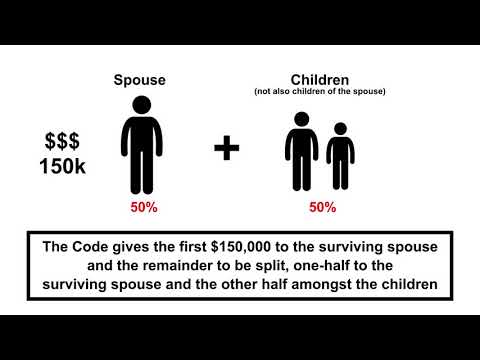
So let’s say you’ve got a friend named Mike who didn’t write a will before he passed away. Mike was married to Sarah and had two kids, Jake and Emma. Because Mike was married with kids, Sarah would inherit most of his estate according to the state laws where they lived—that’s standard.
What if There Are No Heirs?
If Mike didn’t have any close family members—or if they all passed away too—the property could eventually go to the state itself! That’s called “escheatment.” It sounds wild but it happens sometimes.
A Quick Anecdote
I remember hearing about this lady named Ruth who passed away with no will and no immediate family left behind. She had some distant cousins but nobody knew how to find them! After some digging through family trees—it took months—the state ended up taking her house because her cousins never came forward to claim it.
Pitfalls to Consider
You might think that everything’s cut-and-dried with these laws, but there can be complications! For instance:
- Paternity Issues: Sometimes questions arise about whether someone is actually related.
- No Will Does Not Equal No Disputes: Family disagreements can still occur among heirs.
And that brings us back around again—having a will can seriously simplify things for those left behind!
In summary, understanding the statute of descent and distribution helps you grasp how estates are managed when someone dies without instructions on how they’d like their belongings divided up. Remembering those key family relationships is super important; knowing who your heirs are will make all the difference long-term!
Understanding the 3-Year Rule for Deceased Estates: Key Insights and Implications
Understanding the 3-Year Rule for Deceased Estates can feel a bit like wandering through a maze. It’s a critical part of how property gets distributed after someone passes away, so let’s break it down.
First off, the **3-Year Rule** primarily applies to situations where an estate is in probate. Basically, when someone dies, their properties and assets need to be handled in a legal way. The law usually gives an estate administrator or executor some time to settle things, which often means getting around to distributing assets among heirs.
Now, the thing about the 3-Year Rule is that it often relates to how long you have to claim certain rights over an estate. If you think you missed out on something because the deceased didn’t leave behind a clear will—don’t worry just yet! You typically have **three years** from the date of death to make those claims. This is when you might want to swoop in and assert your rights as an heir or potential beneficiary.
Let’s dig deeper into some key points regarding this rule:
But here’s where it can get emotional. Let’s say your grandfather passed away and didn’t leave anything in writing about who should get his favorite old guitar. You thought your cousin had it all locked up until you realized there was no formal will! That means you could file a claim if it’s before that three years is up.
What happens if you miss that deadline? Well, basically, if you haven’t made a claim by then, poof! Your right to contest anything related to that estate may disappear into thin air. Many people find out too late; they wait around thinking they can take their time only to discover they’re shut out from claiming their share forever.
Also worth noting: each state has its own rules, so the particulars might differ depending on where you’re dealing with these issues. Some states might have different timelines for filing claims based on their local laws.
So yeah, the whole process can seem pretty daunting at first glance, but understanding this timeline helps prevent unnecessary headaches later on! If you think you’re entitled to something from an estate—even if things feel tangled—make sure you’re savvy about keeping track of that three-year mark after death so you don’t lose your opportunity.
Understanding the Role of Federal Statutes in Descent and Distribution Laws
When someone passes away, their belongings need to go somewhere, right? That’s where descent and distribution laws come into play. These laws help determine who gets what when someone dies without a will, also known as dying “intestate.” Federal statutes can weigh in, but most of the action happens at the state level.
First off, let’s clarify what descent and distribution means. Basically, it’s how states decide who inherits property when there’s no will in place. The rules can vary from state to state. However, federal statutes can sometimes have a say—especially when it comes to specific types of property.
Now, here are some key points:
Now picture this: your friend Lisa just lost her grandmother who owned a house and had some savings. Since grandma didn’t leave a will, New York’s intestate succession laws kick in—so Lisa and her siblings stand to inherit everything equally. But if she had lived in another state with different rules? Who knows!
Even though federal law doesn’t directly dictate descent and distribution laws, it plays a role when tax time rolls around. For instance, if an estate is worth over a set amount—let’s say $12 million as of 2022—it might be subject to federal estate taxes. So even if you’re inheriting property according to local rules, you need to keep those tax implications in mind.
Another thing to remember is that there are federal statutes involved in certain situations like survivorship or community property laws affecting how spouses inherit from one another.
In short, understanding the role of federal statutes in descent and distribution can get pretty tricky! Most decisions about who gets what after someone dies are rooted in state law, but you can’t forget that some aspects—like taxes—are influenced by federal rules too.
So next time you hear about someone’s estate planning or intestate succession cases popping up, you’ll know there’s more at play than just personal preferences; it’s all tied into this bigger legal framework that balances both state and federal interests!
You know, dealing with what happens to your stuff after you pass away isn’t the most cheerful conversation, but it’s super important. That’s where the Statute of Descent and Distribution comes in. Basically, these laws help determine who gets what when someone dies without a will. It can feel a bit like sorting through an old box of family photos—you might find some things that make you smile and others that leave you scratching your head.
Imagine this: You’re sitting in a family gathering when someone brings up Uncle Joe. Everyone loved him, right? But he didn’t write a will before he passed, which means the statue kicks in. Now, it’s not just about who gets his cool vintage car or that eccentric collection of snow globes. It’s about his surviving spouse, children, maybe even siblings or parents stepping into the mix, depending on where they fit into the hierarchy established by state law.
Each state has its own rules for this. Some might prioritize spouses and kids first—totally understandable! Others might throw grandparents or more distant relatives into the mix if there are no immediate heirs. It can get really complicated and messy pretty fast. You can almost imagine that awkward moment at family dinners where people start whispering about “fairness” or “who should have gotten what.” Seriously though, it’s crucial to know how these statutes impact your life.
And here’s something you might not think about: it’s not just about money or property; it also affects emotions and relationships. Family dynamics can become strained if someone feels overlooked or hurt by how things were divided up—or worse, if they were left out altogether because no one really knew how those laws worked.
So yeah, having a solid understanding of these statutes is essential for anyone thinking about their future or doing some estate planning. It might seem dry at first glance but trust me—it’s more like unraveling a family story than just looking at dry legal text! And honestly? Having those conversations while everyone is still around makes things way easier for everyone involved later on down the road.




