
The information provided in this article is intended solely for general informational and educational purposes related to U.S. laws and legal topics. It does not constitute legal advice, legal opinions, or professional legal services, and should not be considered a substitute for consultation with a qualified attorney or other licensed legal professional.
While efforts have been made to ensure the information is accurate and up to date, no guarantees are given—either express or implied—regarding its accuracy, completeness, timeliness, or suitability for any specific legal situation. Laws, regulations, and legal interpretations may change over time. Use of this information is at your own discretion.
It is strongly recommended to consult official sources such as the U.S. Government (USA.gov), United States Courts, or relevant state government and court websites before acting on any information contained on this website or article. Under no circumstances should professional legal advice be ignored or delayed due to content read here.
This content is of a general and informational nature only. It is not intended to replace individualized legal guidance or to establish an attorney-client relationship. The publication of this information does not imply any legal responsibility, guarantee, or obligation on the part of the author or this site.
You know, getting fired can feel like a punch to the gut. It’s tough. And sometimes, it just doesn’t seem fair. Seriously, have you ever been let go and thought, “Wait, what just happened?”
That’s where things get tricky. People might find themselves facing unjust terminations. You know, being let go for reasons that don’t sit right with you.
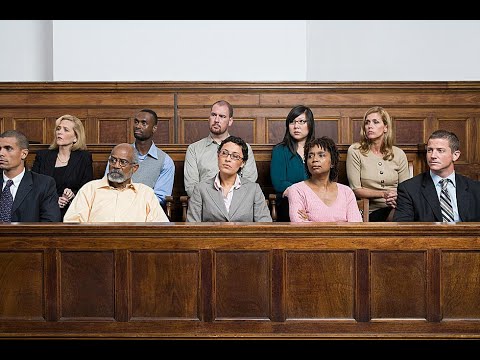
So, what do you do about it? Well, here’s where the American jury system steps in like a superhero—kinda! It plays a huge role in making sure justice shines through when those workplace battles hit the courtroom.
Stick around as we dig into how the jury system helps tackle these unfair dismissals and gives voice to those people feeling wronged. It’s more exciting than it sounds, I promise!
Exploring Challenges in the Jury System: Common Issues and Concerns
The jury system in the U.S. is one of those core things we often take for granted. It’s like the backbone of our legal process, right? But, it’s not without its bumps. When it comes to issues like unjust terminations, juries can face some serious challenges that might make you raise an eyebrow.
First off, let’s talk about bias. Imagine a juror who has a personal connection to a case, or maybe they’ve had a bad experience with a company involved. This bias could totally skew how they see things. In an employment case—like someone claiming they were unjustly fired—this isn’t just an annoyance; it can lead to unfair judgments!
Another issue is complexity. Some employment laws can be, like, super complicated. Jurors might struggle to understand legal jargon or terms that are second nature to lawyers. If you’re sitting there trying to wrap your head around “constructive dismissal” but all you think about are your bills piling up at home, chances are you’re not processing the info right.
- Juror comprehension: It’s vital that jurors get what’s going on. If they don’t follow the case details or legal principles involved, their deliberations could miss the mark big time.
- Emotional responses: A lot of cases about unjust termination can tug at your heartstrings. For example, if someone got fired after years of hard work due to unfair reasons, jurors might act on emotion rather than facts.
- Diverse perspectives: Juries usually bring together people from different backgrounds and experiences. This diversity is cool because it adds layers to discussions but can also lead to conflicts in how people perceive fairness or justice.
Now let’s be real: sometimes the very process of picking a jury—called “voir dire”—can affect outcomes too! Lawyers might get rid of potential jurors who seem like they would lean one way or another during this selection phase. This could unintentionally create juries that don’t truly represent the community’s views.
Don’t forget about juror fatigue. Juries usually deal with multiple cases at once or sit through long sessions filled with overwhelming information. Picture being on day three of listening to heavy legal stuff and then being asked to decide whether someone’s firing was unjust! You’d want outta there too!
A good example is when an employee sues for wrongful termination after blowing the whistle on unsafe practices and feels pressured into silence afterward. The jury may feel sympathetic but really need the evidence laid out cleanly—and sometimes it just doesn’t happen.
The thing is: **the American jury system has good intentions**, and most folks trying to serve want justice done! But these challenges remind us how crucial it is for everyone involved—from judges and lawyers to jurors themselves—to fully engage in understanding these issues better.
If changes were made? Involving educational components for prospective jurors might help them grasp things better before heading into courtrooms loaded with tension instead of clarity!
You know, no one wants a verdict based on confusion or emotions alone; fair decisions should rest upon solid facts and truths! So next time you hear about jury duty? Just know there’s more happening behind those closed doors than meets the eye.
Exploring Thomas Jefferson’s Views on the Jury System: Insights and Implications
Thomas Jefferson had some pretty interesting thoughts on the jury system back in the day. He didn’t just think of it as a formality; to him, it was a cornerstone of American democracy. It’s like the safety net for our rights and freedoms, you know?
Jefferson believed that juries play an essential role in protecting individual liberties. He saw them as a way for ordinary people to be involved in justice. When you think about it, his views are super relevant today, especially with issues like unjust terminations in the workplace.
What Jefferson Thought About Juries
He argued that a jury of peers could judge not just the facts but also the intentions behind actions. For instance, if someone was wrongfully fired, Jefferson would likely say that it should be a jury deciding whether that termination was just or not.
Key Ideas from Jefferson
- Empowerment: Jefferson believed that juries empower citizens because they can weigh in on legal matters.
- Protection: He thought juries protect against government overreach and ensure fairness.
- Community Voice: A jury represents community values, reflecting what people think is right or wrong.
This feels super relevant when we talk about unfair job dismissals. Imagine getting fired without cause—having a jury could give you a fighting chance to reclaim your rights.
The Implications Today
Jefferson’s insights are still buzzing around today’s legal framework. In cases of unjust terminations, juries can provide a layer of accountability for employers. You might hear stories where employees have taken their cases to trial after being wrongly dismissed and found solace in having their peers review their situation.
Just picture someone who’s been let go without warning or reason; they’re probably feeling pretty helpless at first. Having people from the community sit on that jury gives hope that they might actually get justice.
In real-life terms, let’s say an employee files a lawsuit because they believe they were fired due to discrimination rather than performance issues. That case goes before a jury, which can consider all evidence and testimonies to decide if the termination was fair or unjust.
So when you think about how Thomas Jefferson shaped our legal landscape with his views on juries, remember: he believed these groups aren’t just there to fulfill some legal requirement—they’re vital to keeping power in check and ensuring individuals have someone looking out for them. That perspective continues shaping how we view justice today!
Exploring the American Jury System: Three Key Pros and Cons You Should Know
The American jury system plays a big role in our legal landscape. It’s like a community check on the justice process, but it’s not all sunshine and rainbows. Here’s a deeper look at some key pros and cons—especially when it comes to unjust terminations.
Pros of the Jury System
- Community Representation: One of the biggest strengths of juries is that they reflect the community’s values and beliefs. When someone faces unjust termination, having a group of local folks decide on the case means that there’s a relatable context influencing their decisions. It’s like having your neighbors weigh in on what’s fair.
- Checks and Balances: Juries act as a counterbalance to potential overreach by powerful corporations or government entities. If an employee believes they were unfairly let go, a jury can hear their side without bias from those in power. This can lead to more equitable outcomes than if only judges made decisions.
- Emotional Understanding: Juries allow for emotions to be part of the equation. Let’s say someone was fired after years of dedicated work for petty reasons—having regular people hear that story can evoke empathy, which might affect their judgment in a way that feels just.
Cons of the Jury System
- Lack of Legal Knowledge: Not everyone serving on a jury understands complex legal terms or concepts. Sometimes, this can lead to confusion about what really matters in a case. In cases involving unjust termination, jurors may struggle with understanding employment law intricacies or nuances.
- Influence of Bias: Juries are made up of humans, and humans come with biases—conscious or not! Sometimes these biases can cloud judgment and impact decisions unfairly, especially in emotionally charged cases involving personal stories about job loss.
- Pace and Cost: Trials can be lengthy and expensive because they involve many people taking time off work. For those facing unjust termination, this delay might feel like adding insult to injury while also stretching financial resources thin, you know?
So when we look at the American jury system, it clearly has both perks and pitfalls, especially regarding cases of unjust termination. It’s fascinating how much influence these everyday folks have over some pretty crucial decisions!
You know, thinking about unjust terminations really gets me. Imagine working hard for years at a job, building relationships, and then suddenly, bam! You’re out the door for some reason that just doesn’t sit right with you. It’s tough. People lose more than just a paycheck; they lose their sense of security and sometimes even their identity.
In those situations, the American jury system can really step in and make a difference. Picture this: someone feels they got fired unjustly because they spoke up about unsafe conditions at work or maybe because of their age or gender. They decide to take their case to court. What happens next? A group of regular folks—your peers—end up sitting in the jury box, weighing the evidence and hearing testimonies.
These jurors have the power to determine if the termination was unfair or even illegal. Their verdict can lead to real changes for that person, whether it’s financial compensation or even reinstatement. It’s kind of wild when you think about it! The fate of someone’s career—and often their life—can rest on what these everyday people decide.
Sure, it’s not always perfect. Sometimes, juries might not fully grasp all the details or nuances of employment law. And there’s always a chance that emotions might come into play when making decisions. But still, this system allows ordinary citizens to have a say in what justice looks like in the workplace.
Plus, every time someone stands up against an unjust termination and takes it to court, it sends a message: employers need to be accountable. So many workplaces operate on fear rather than fairness—having juries involved helps tip that balance back toward justice.
At its core, you realize that it’s more than just legal processes; it’s about people standing up for other people and making sure everyone gets treated fairly in an environment that should be supportive. It seems small but can ripple out into broader changes in workplace culture and legislation.
I mean, when you hear stories about juries helping someone who felt lost after losing their job unjustly—it gives you hope, right? It reminds us that we’re all in this together somehow, trying to navigate a complex world where fairness sometimes feels like it’s on vacation. But with folks willing to step up as jurors, maybe we can bring it back home again.




