
The information provided in this article is intended solely for general informational and educational purposes related to U.S. laws and legal topics. It does not constitute legal advice, legal opinions, or professional legal services, and should not be considered a substitute for consultation with a qualified attorney or other licensed legal professional.
While efforts have been made to ensure the information is accurate and up to date, no guarantees are given—either express or implied—regarding its accuracy, completeness, timeliness, or suitability for any specific legal situation. Laws, regulations, and legal interpretations may change over time. Use of this information is at your own discretion.
It is strongly recommended to consult official sources such as the U.S. Government (USA.gov), United States Courts, or relevant state government and court websites before acting on any information contained on this website or article. Under no circumstances should professional legal advice be ignored or delayed due to content read here.
This content is of a general and informational nature only. It is not intended to replace individualized legal guidance or to establish an attorney-client relationship. The publication of this information does not imply any legal responsibility, guarantee, or obligation on the part of the author or this site.
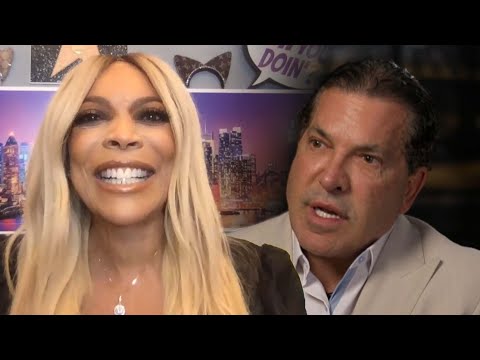
Wendy Williams. You know, the talk show host many of us grew up watching? Well, her life took a pretty wild turn recently.
She ended up under a conservatorship. Sounds heavy, right? It raises all sorts of questions about control, rights, and what it means to take care of someone.
And then there’s the jury system in America. Yeah, you heard me right. It’s not just about courtroom dramas and crime shows. It’s an essential part of how we handle cases like Wendy’s.
So, what’s the connection here? Well, it’s all about how society decides what’s best for individuals when they can’t speak for themselves.
Stick around! It’s gonna be an interesting ride through fame, mental health, and our justice system.
Legal Guardianship of Wendy Williams: Current Status and Key Players
Wendy Williams, the popular talk show host, has been in the headlines not just for her television career but also due to her legal challenges involving guardianship. This situation is a classic example of how conservatorships work in America.
To break it down a bit, a guardianship is a legal relationship where one person (the guardian) is appointed by the court to care for another person (the ward) who can’t take care of themselves. And in Wendy’s case, this came into play primarily because of her health issues.
Current Status
As of now, Wendy Williams’ finances and personal decisions have been overseen by her bank due to concerns around her mental and physical health. In 2021, Wells Fargo was granted temporary control over her financial matters after they raised alarms about potential exploitation. This decision highlighted how important it is for institutions to step in when someone’s ability to manage their own affairs is questionable.
Also, Wendy was under a temporary conservatorship, which means that it’s not permanent—it can be revisited as circumstances change. This conservatorship was officially put into place as she battled issues related to her health, such as Graves’ disease and other complications. The legal system established this arrangement to protect her—that’s the idea behind most guardianships.
Key Players
Now let’s look at some key figures involved in Wendy’s guardianship saga:
- Wendy Williams: The star herself, whose well-being and rights are at stake here.
- Suzanne Bass: She’s been appointed as Wendy’s temporary guardian. Her role includes looking out for Wendy’s best interests.
- The Court: The judge overseeing this situation ultimately decides whether or not the conservatorship continues.
- Wells Fargo: The bank that raised alarms regarding Wendy’s financial safety.
And you know what? It’s really important here that all these players act based on what they believe will help Wendy most. One interesting twist? People close to her have expressed concerns about whether she truly needs such strict oversight or if it might be too much.
The court will likely consider opinions from medical professionals and possibly even from Wendy herself about how much control she needs relinquished. There’s an emotional side here too—this isn’t just paperwork; it involves someone who has lived a very public life struggling with private issues.
In short, guardianship cases like this remind us of just how complex personal autonomy can be when someone faces significant challenges. As we watch how things unfold for Wendy Williams, it’s a real testament to both the protections and challenges built into our legal system surrounding conservatorships.
Wendy Williams Declared Dementia-Free: Implications for Ending Guardianship
Wendy Williams, the talk show host, has been in the spotlight recently for her legal battles surrounding her conservatorship. You may have heard that she’s now declared dementia-free, which has huge implications for her guardianship situation. So, what does all this mean?
First off, a conservatorship is basically a court-approved arrangement where someone else makes decisions for an individual who can’t manage their own affairs due to health issues. Wendy’s situation was particularly notable because it brought up questions about autonomy and the rights of individuals under such arrangements.
When a person is deemed incompetent—like what happened with Wendy—the court appoints a conservator to take care of their finances and other matters. But if she’s now considered dementia-free, that opens a whole new door. She could potentially request the court to terminate the conservatorship.
You know how it goes; once you’re under guardianship, it can be tough to shake it off. Courts sometimes don’t take these things lightly; after all, it’s about protecting people. If she wants out of this situation, she’ll need to prove her capacity to handle her own life again.
There are some key factors at play here:
- Medical Evaluations: Wendy would need updated assessments from doctors confirming she’s capable of making her own decisions.
- Court Hearings: A judge will likely hold hearings where evidence is presented on both sides—her side wanting to end the guardianship and the conservator possibly arguing against it.
- Public Perception: Given Wendy’s high-profile status, public opinion might also sway things a bit. The media loves these stories!
So here’s where the jury system comes into play. In some cases involving guardianships, juries can be involved if there’s a dispute about mental competency—as wild as that sounds! It means regular folks make important decisions regarding someone’s freedom or restrictions.
Imagine being on that jury: you’d have to weigh evidence about someone’s mental state and whether they should regain control over their life. It’s not just any old decision; it can totally change someone’s future.
Wendy’s case highlights why it’s crucial for people in these situations to have advocates who will fight for their rights. Ending guardianship isn’t just about getting back control—it speaks volumes about personal dignity and decision-making power.
In summary, Wendy Williams being declared dementia-free signals potential changes ahead in her conservatorship situation. It raises essential discussions around mental health competency and individual rights under U.S. law. The way this plays out could set an example for others in similar circumstances looking to reclaim their autonomy.
Is Wendy Williams’ Conservatorship Being Challenged Following New Medical Diagnosis?
Wendy Williams has been in the spotlight for quite some time now, and her conservatorship has become a hot topic lately. When we talk about conservatorships, we’re referring to situations where a person is appointed to manage another person’s financial and personal affairs because they can’t do it themselves. In Wendy’s case, it stems from her health issues, including reported problems related to her thyroid condition and other medical concerns.
Recently, there have been whispers about whether Wendy’s conservatorship could be challenged due to a new medical diagnosis. In conservatorship cases, changes in a person’s health status can definitely impact their legal standing. So, if Wendy received a diagnosis that suggests she might regain more decision-making abilities, there’s a chance the court could re-evaluate her situation.
Now let’s break it down a bit more:
- Medical Diagnosis: If her new diagnosis indicates that she’s capable of handling her own affairs better than before, this could be grounds for asking the court to reconsider the conservatorship.
- Legal Framework: Conservatorships aren’t permanent fixtures. They can change based on the individual’s needs and capabilities. The law is pretty flexible here.
- Jury Involvement: While conservatorships generally don’t involve juries directly—since they’re handled by judges—the process does reflect on how our jury system indirectly plays into protecting individual rights. If someone believes they’re being unfairly treated under a conservatorship, they can always request a hearing or challenge things in court.
For Wendy Williams, it’s all about showing progress and getting the right support. A lot of people care about her well-being, so any shift in her condition raises questions not just for fans but also in legal circles.
There have been instances where other celebrities have navigated similar waters; think of Britney Spears and how public interest led to significant changes in her own conservatorship battle. Public opinion can sway things too!
The thing is, if Wendy does want to challenge this setup and regain control over more aspects of her life, she’d likely need evidence from medical professionals supporting that move. It wouldn’t just be a simple wish; rather it’s more like proving you’ve moved past certain limitations.
So yeah, as this story unfolds, keep an eye out! Changes in health can lead to shifts in legal standings and might just change Wendy Williams’ life moving forward!
So, you’ve probably heard about Wendy Williams and her conservatorship situation. It’s been quite a ride, hasn’t it? When you think about the whole thing, it kinda shines a light on the jury system in America and how it plays into personal rights and legal battles. Let me tell you why this is so interesting.
Wendy’s story isn’t just about a celebrity getting help with managing her finances or health issues; it’s really a reflection of bigger themes in how we approach personal autonomy. Imagine being in her shoes, where people around you determine what’s best for your life without your say-so. It can feel super overwhelming, and that can be a bit scary.
The jury system comes into play when you’re talking about conservatorships or any legal decisions that affect personal freedom. In America, juries are supposed to represent a cross-section of the community. They weigh evidence and make decisions based on facts presented during trials. But how often do they get involved in cases like Wendy’s? Not super frequently.
Most of these conservatorship disputes happen before judges, with attorneys battling it out in private hearings rather than open courtrooms filled with jurors. Which is wild because who knows better what’s right for someone than everyday people? But then again, these types of situations can be complicated and nuanced—like dealing with mental health issues.
This is where it gets emotional for me. I remember hearing about someone close to me who went through something similar—a family member was placed under guardianship due to their declining health—and it was painful to see how little control they had over their own choices. It really raises questions about fairness and whether we should trust systems that largely keep juries out of these conversations.
At the end of the day, the Wendy Williams case serves as a reminder that our legal system—while based on some pretty solid ideals—does have gaps when it comes to individual rights and community involvement. Bringing more voices into these discussions could really help balance things out, but there’s no easy fix.
So whether you’re cheering for Wendy or contemplating broader implications for everyone dealing with similar circumstances, remember that our legal frameworks need constant tweaking to stay relevant to real life experiences—even if they’re just as messy as any tabloid headline!




