
The information provided in this article is intended solely for general informational and educational purposes related to U.S. laws and legal topics. It does not constitute legal advice, legal opinions, or professional legal services, and should not be considered a substitute for consultation with a qualified attorney or other licensed legal professional.
While efforts have been made to ensure the information is accurate and up to date, no guarantees are given—either express or implied—regarding its accuracy, completeness, timeliness, or suitability for any specific legal situation. Laws, regulations, and legal interpretations may change over time. Use of this information is at your own discretion.
It is strongly recommended to consult official sources such as the U.S. Government (USA.gov), United States Courts, or relevant state government and court websites before acting on any information contained on this website or article. Under no circumstances should professional legal advice be ignored or delayed due to content read here.
This content is of a general and informational nature only. It is not intended to replace individualized legal guidance or to establish an attorney-client relationship. The publication of this information does not imply any legal responsibility, guarantee, or obligation on the part of the author or this site.
You ever think about how wild the whole jury thing is? I mean, these regular folks get to sit in a room and decide someone’s fate. That’s a lot of pressure, right?
But here’s the kicker: jurors have this power called “discretion.” It means they can use their own judgment when making decisions. Sounds simple enough, but it gets pretty complicated.
Take a moment and imagine a case where the facts are super murky. How do you decide what’s right or wrong? That’s where abstract judgment comes in. It’s all about weighing the facts with your own sense of justice.
In this chat, we’re gonna dive into what happens when juries flex their discretion muscles and how it shapes our legal system. So, let’s unpack this together!
Understanding Abstract Judgment: Definition, Process, and Implications in Legal Practice
Understanding Abstract Judgment in American Law
Okay, so let’s break down this idea of abstract judgment. Basically, it’s a term you’ll come across in law that revolves around the decision-making process in court. In simple terms, abstract judgment refers to a court’s ruling based on legal principles rather than on specific facts or cases that you’ve probably heard of.
What is Abstract Judgment?
This kind of judgment is not just about what happened in a particular case but focuses on broader legal standards and theories. It can reflect how judges interpret laws and apply them to various situations, drawing from existing legal precedents.
When we’re talking about jury discretion and abstract judgment, it gets interesting because juries often have to balance their factual findings with these bigger principles. Like, they might be asked to consider not only the specifics of a case but also the broader implications of their decisions.
The Process
So here’s how it goes: imagine you’re on a jury. During the trial, you hear all sorts of evidence and arguments. Once that’s done, it’s your job to deliberate with fellow jurors. You’ll weigh the evidence against not just the facts but also how that aligns with established legal standards.
- Jury Instructions: The judge usually gives instructions tailored to the law that applies to your case. These can touch on abstract concepts like “reasonable doubt,” which is not just a fact but more about the idea of fairness in justice.
- Deliberation: After hearing instructions, jurors discuss what they’ve learned. This includes debating how concrete facts connect with these broader laws.
- Verdict: Finally, you cast your votes based on both evidence and how it fits into those general legal frameworks.
Now, let’s think about an example here. Say there’s a theft case where the defendant claims they took something because they were starving. While the facts are important—like whether they actually took something—the jury will also ponder over societal norms: Is there ever a justification for stealing when someone is hungry? That’s where abstract judgments come into play!
Implications in Legal Practice
The whole idea behind this type of judgment carries serious weight in how courts operate. Here are some implications:
- Consistency: Abstract judgments push for consistency across different cases. If similar situations arise in other trials, judges look back at these abstract principles for guidance.
- Flexibility: They allow room for interpretation based on changing societal values or new laws.
- Avenue for Appeals: If a party feels that an abstract principle was misapplied during their trial, it opens up grounds for appeals.
You know those times when someone feels justice wasn’t served? Sometimes it boils down to how well these larger principles were understood and applied by juries or judges.
In short, understanding abstract judgment is key if you’re looking into how justice really works under American law. It brings together individual cases with bigger issues like fairness and morality—and that’s pretty vital for any thriving legal system!
Understanding Federal Rule 52(a): Implications and Applications in Legal Proceedings
So, let’s break down Federal Rule 52(a) in a way that makes sense. This rule is part of the Federal Rules of Civil Procedure, and it specifically deals with how courts handle findings of fact and conclusions of law. You know, it’s kind of like giving judges a road map for how to make decisions based on the evidence presented during a trial.
What is Federal Rule 52(a)?
Basically, Federal Rule 52(a) says that in cases tried without a jury (that’s a bench trial for you), the court must find the facts specially and state its conclusions of law separately. It means if you’re ever involved in one of those cases, you can expect the judge to really dig into what they believe happened based on the evidence they saw and then explain why they reached that conclusion.
Why does this matter?
You see, this rule gives judges a chance to show their reasoning behind decisions. It aims for clarity—like having a detailed recipe instead of just saying “cook until done.” When a judge articulates their findings clearly, it helps everyone involved understand why certain verdicts came about. And if someone ends up appealing the case later? Well, having those clear findings makes it easier for higher courts to review what went down.
But here’s where it gets interesting: even if a judge doesn’t follow this rule perfectly—like forgetting to explain something—they might still be okay as long as the overall ruling isn’t unfair or confusing. It’s kind of like when you don’t follow all your mom’s rules while cooking but still end up with an awesome dish!
Implications for Jury Discretion
Now, stepping into jury cases, Rule 52(a) doesn’t apply directly in terms of how juries operate. Juries have their own discretion when deciding how to interpret evidence. They’re like those friends who always interpret movie plots differently—everyone brings their own perspective! The judge might give instructions and guidelines, but ultimately it’s up to the jury how they want to assess things.
The beauty here is that under U.S. law, juries enjoy considerable leeway. They can weigh evidence as they see fit and come to a conclusion based on what resonates with them most—you know? This adds an abstract judgment element that makes trials sometimes unpredictable.
Real-World Application
Let’s say there’s an employment discrimination case. A jury could listen to an employee recount their experience at work alongside testimonies from coworkers about behavior they’ve witnessed. The judge will give instructions about legal standards concerning discrimination but leaves it up to the jurors to decide who they believe more—the employee or the employer’s defense.
If the case gets appealed later because one of the parties felt like justice wasn’t served properly, having that detailed record from Rule 52(a) helps clarify things for appellate courts reviewing everything from findings made by judges during trial proceedings.
In short: Federal Rule 52(a) provides structure and clarity in legal proceedings while respecting jury discretion when needed! The interplay here strengthens both sides—judges articulate reasoned decisions while juries exercise their judgment based on human experience; it’s all part of making justice work better for everyone involved!
Understanding Judgment as a Matter of Law vs. Summary Judgment: Key Legal Distinctions
Understanding the differences between **Judgment as a Matter of Law** and **Summary Judgment** can seem a bit tricky, but let’s break it down. These are both crucial concepts in American law, especially when you’re dealing with court cases.
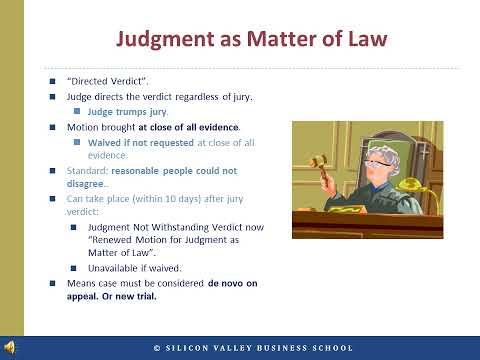
Judgment as a Matter of Law (JMOL) usually comes into play during a trial. Picture this: you’re sitting in the courtroom, and after one side presents all their evidence, the other side can move for JMOL. This basically means they’re saying, “Hey, based on what’s been shown so far, no reasonable jury could find for the opposing party.” If the judge agrees with that argument, they’ll rule in favor of the moving party right there, without letting the jury decide.
But hold on—this typically happens after all evidence is presented in trial. It’s kinda like saying you reached an ultimate decision because the facts are super clear-cut.
Now, let’s switch gears to Summary Judgment. This occurs *before* a trial even starts or sometimes early on. Think of it as a preemptive strike against unnecessary litigation. One side asks the judge to rule that there’s no need for a full trial because there aren’t any real disputes over key facts in the case. Like if both parties agree on what happened but disagree about what those facts mean legally.
The judge will review everything submitted so far—like documents or depositions—but won’t hear any live testimony yet. If they think that there really are no significant disagreements about what happened, they can grant summary judgment and resolve some or all issues without forcing everyone through a full-blown trial.
To put it another way:
- JMOL: Ruling occurs during trial; based on evidence already presented.
- Summary Judgment: Happens before trial; aims to resolve cases quickly due to lack of factual disputes.
Sometimes people get confused because both terms deal with cases being decided without something typically seen as essential—a jury—and that can make things feel a bit less personal or more abstract. You might think about them as legal tools to cut through clutter when either case is pretty clear-cut from what’s been gathered so far.
Let’s not forget: these judgments help keep things moving in courts by avoiding trials where unnecessary. Less time wasted means better efficiency overall! And who wouldn’t want that?
So next time you hear someone mention JMOL or Summary Judgment, you’ll know they’re talking about how judges can step in to shape proceedings based on clarity—or lack thereof—in fact scenarios.
Jury discretion is one of those fascinating aspects of the American legal system that sometimes gets overlooked. Picture this: you’re sitting in a courtroom, and twelve everyday people are tasked with deciding someone’s fate. They don’t just follow a strict checklist; they actually get to weigh evidence, consider the nuances, and make judgments based on their understanding of fairness and justice.
It’s kind of wild when you think about it. Jurors bring their own life experiences into the mix. Like, in one case, a juror who has experienced similar hardships might feel differently about a defendant than someone who hasn’t walked that path. That’s where the abstract judgment comes in—it’s not just about the black-and-white facts; it’s about interpreting those facts through a human lens.
Remember that time your friend told you about their nightmare experience dealing with an unfair boss? You probably felt all kinds of emotions just listening to them. That same kind of empathy plays a role in how jurors can judge situations based on more than just the law. It can lead to some pretty varied outcomes depending on who’s on that jury.
But here’s the tricky part: this discretion can lead to inconsistencies too. One jury might see a situation in one light while another might interpret it completely differently, even if the circumstances are quite similar. This is where folks start debating whether this is good or bad for justice—because what if someone else facing similar charges gets treated way differently because the jury’s values were different?
Honestly, it feels like walking a tightrope sometimes. Finding that balance between allowing jurors to use their discretion while ensuring fairness across cases can be tough. Just think—your fate could hinge on how twelve strangers perceive your actions! It’s equal parts comforting and terrifying knowing there’s human judgment involved.
In essence, jury discretion shines light on the heart of our legal system: it’s not just numbers and laws; it’s about people trying to do right by other people. And while there are no perfect answers here, embracing that complexity seems like a step toward understanding what truly makes our justice system tick.




