
The information provided in this article is intended solely for general informational and educational purposes related to U.S. laws and legal topics. It does not constitute legal advice, legal opinions, or professional legal services, and should not be considered a substitute for consultation with a qualified attorney or other licensed legal professional.
While efforts have been made to ensure the information is accurate and up to date, no guarantees are given—either express or implied—regarding its accuracy, completeness, timeliness, or suitability for any specific legal situation. Laws, regulations, and legal interpretations may change over time. Use of this information is at your own discretion.
It is strongly recommended to consult official sources such as the U.S. Government (USA.gov), United States Courts, or relevant state government and court websites before acting on any information contained on this website or article. Under no circumstances should professional legal advice be ignored or delayed due to content read here.
This content is of a general and informational nature only. It is not intended to replace individualized legal guidance or to establish an attorney-client relationship. The publication of this information does not imply any legal responsibility, guarantee, or obligation on the part of the author or this site.
So, here’s the thing: you might think of chicken as just your go-to dinner option. But did you know it can also lead to a pretty wild legal showdown? Yeah, seriously!
Imagine a bunch of people joining forces because they think something shady went down with their favorite chicken brand. That’s where class action lawsuits come into play. It’s not just about one person; it’s about standing together, right?
Now, sprinkle in the jury system, and you’ve got a recipe for some drama. Juries are like the everyday folks who decide if companies messed up. It’s kinda cool how regular people get to weigh in on big issues.
Stick around; we’ll break this down together! You’ll see how something as simple as chicken can stir up a whole lotta legal heat.
Understanding Jury Involvement in Class Action Lawsuits: Key Insights and Legal Perspectives
Sure! Let’s talk about jury involvement in class action lawsuits, especially in the context of something like a chicken class action lawsuit.
First off, class action lawsuits are a way for a group of people to band together and sue a defendant—like a big corporation. It’s often used when individuals have small claims that wouldn’t be worth pursuing on their own. Imagine if you bought chicken that was falsely advertised as organic. Individually, your claim might seem small, but if thousands of people were misled, it makes sense to unite.
Now, here’s where juries come into play. In most class actions, once the court decides that the case can proceed as a class action—often after a process called “certification”—the next step might involve a jury trial. But hang onto your hat because it gets interesting from here.
Jury Trials vs. Bench Trials:
So let’s say you’re part of that chicken lawsuit. If it goes to trial and involves determining how much in damages each person should get because of their misleading claims about chicken products? That’s where the jury comes in.
Now here’s something cool: juries bring a human touch to these legal matters. They listen to all the evidence presented by both sides—like how consumers were misled by false advertising and what kind of impact that had on them personally or financially.
The Dynamics of Jury Involvement:
It’s pretty fascinating how these everyday folks step up to make crucial decisions that can affect large numbers of people.
But here’s where it gets tricky. The jury’s decision doesn’t just end there; it has implications beyond individual cases. Their verdict could influence future lawsuits or set standards within industries.
And hey, let’s be real: being on a jury isn’t always glamorous! You might be sitting there listening to dull legalese for hours only to realize you hold people’s fates in your hands! Talk about pressure!
Remember how I mentioned certification earlier? Class actions need proper adjudication before they hit the courtroom with juries involved—there’s screening done by judges to ensure everyone meets certain criteria before proceeding together as one class.
In summary, understanding jury involvement in class action lawsuits sheds light on *how our legal system balances* individual rights against collective interests. And when you throw something as common as chicken into the mix? Well, you see how far-reaching these issues can really be—even if they might seem trivial at first glance.
So whether you’re buying groceries or serving on a jury someday—understanding this process can definitely give you more perspective on what goes down behind closed court doors!
Eligibility Criteria for Participating in the Chicken Lawsuit: Who Can Join?
So, the whole Chicken Lawsuit thing? Yeah, it’s a class action lawsuit that many folks are buzzing about. Basically, it’s like a giant group of people who all say they were wronged in some way—usually related to unfair practices by companies. But if you’re thinking about joining in, you might be wondering: **who can actually participate?** Let’s break it down.
Eligibility Criteria
To join a class action lawsuit like this one, there are some criteria you need to meet. Typically, these include:
- Injury or Damage: You need to show that you suffered some sort of harm or loss because of the chicken-related issue. This could mean financial losses from buying overpriced chicken or health issues linked to the product.
- Commonality: Your case needs to share common issues with others in the group. Basically, you and other participants have similar claims against the defendant—like how the pricing was unfair across the board.
- Typicality: Your claims must be typical of what everyone else in the group is experiencing. For instance, if others also felt misled by marketing tactics regarding chicken quality, your situation should illustrate that too.
- Numerosity: A whole bunch of people need to be affected for it to be a class action. You can’t just have two or three people; there should be enough folks so joining together makes sense.
- Representation: There has to be someone who can represent the entire group fairly and adequately. This person—the lead plaintiff—will make decisions on behalf of all members.
Examples in Context
Let’s say there was a big scandal involving chicken producers falsely advertising their products as “organic.” If you bought those chickens based on those claims and ended up paying more than you should’ve—or discovered they weren’t what they pretended to be—you might just qualify!
Now, picture this: Maria lived on a tight budget and relied heavily on that organic label for her family’s meals. After she found out that label was misleading, she felt cheated. She could potentially join this class action because she suffered financially and aligns with others who feel similarly.
Filing Process
If you think you’ve got what it takes to join in, your next step is usually simple: look for information about how to file a claim specific to that lawsuit. Courts typically have guidelines set up for participants.
Sometimes you’ll find instructions online on how to submit your info or what documents would help your case stand strong. It’s all about making sure everyone gets their fair shot at justice.
In essence, being part of the Chicken Lawsuit means ensuring not only your voice but also countless others—because after all, every voice counts! So if you’re eligible and feel wronged? Jump aboard!
Understanding Average Payouts in Class Action Lawsuits: Key Insights and Factors
Understanding average payouts in class action lawsuits can be a bit of a maze, huh? When you think about it, it’s like standing in line for a roller coaster. Some rides are thrilling and quick, while others take forever and leave you feeling dizzy. Class actions are similar: they can be complex and unpredictable, but the concept is to bring together a group of people who’ve been affected by the same issue to seek justice together.
First off, let’s break down what a **class action lawsuit** really is. It’s when a bunch of folks—let’s say people who bought chicken with hidden fees or bad labeling—join forces because they’ve all got similar claims against the same company. This makes things easier than everyone filing separate lawsuits.
Now, onto the big question: how much can you expect as a payout? Well, those amounts can vary widely based on several key factors:
- Case Specifics: The nature of the lawsuit matters. If we’re talking about something like deceptive practices involving chicken sold as organic—something serious—you might see bigger payouts compared to less egregious claims.
- Total Settlement Amount: This is basically the pie everyone’s going to split up. If the total settlement is high, payouts might be more substantial.
- Number of Claimants: The more people involved in a class action, the smaller each person’s piece of pie might get. So if a million folks join in, your share could be pretty tiny.
- Legal Fees: Lawyers usually take their cut from winning settlements—a typical percentage could range from 20% to 40%. That will reduce what each claimant receives.
- Award Caps: In some instances, there are caps on how much money can be awarded for certain types of damages. These caps will play a huge role in determining individual payouts.
So picture this scenario: suppose there’s a class action lawsuit against a chicken producer claiming they falsely advertised their chicken as hormone-free. After years in court (yup, these things can drag), let’s say they settle for **$10 million**. If there were 100,000 claimants involved and legal fees take up about 30%, that leaves $7 million to divide among everyone.
Doing some quick math here: you’d end up with about **$70** each. Doesn’t sound so great when you think about it! But sometimes there are additional payments or bonuses if they find other unfair practices during the litigation.
It gets even more interesting when juries step in! Sometimes cases reach trial instead of settling out of court. In those situations, juries weigh evidence and decide whether the claim is valid before determining damages. Emotional stories or compelling evidence might sway them towards rewarding more significant amounts if they believe customers were genuinely hurt.
For example: let’s say someone shares how they fell ill after eating tainted chicken; that personal touch could really hit home for jurors! They might feel compelled to award more than what was initially proposed in settlement discussions.
The takeaway here? Payouts from class action lawsuits depend on many pieces coming together—case specifics, number of people involved, and good old-fashioned luck with jury decisions play huge roles. It’s important to remember each case is unique! So if you’re ever part of one or just curious about this whole process, know it can be quite an adventure through the legal system that leaves some happy and others reflecting on their experience.
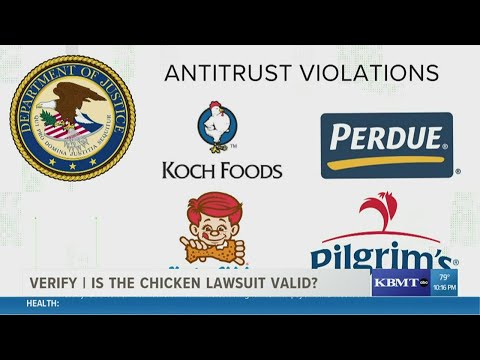
So, let’s chat about this chicken class action lawsuit—you might have heard about it. Basically, a bunch of chicken producers got accused of price-fixing, which, if true, is kind of a big deal. You buy your groceries thinking you’re getting a fair shake, but then you find out they might’ve been in cahoots to inflate prices. Seriously, who likes getting ripped off?
Now, when it comes to class action lawsuits like this one, they can give regular folks a voice against giant corporations. If you think about it, individually suing a big chicken company could feel like bringing a fork to a knife fight. But when you band together in a class action? That’s where things start to get interesting.
Imagine being on that jury, right? You’re not just dealing with facts and figures—you’re stepping into the lives of people who might’ve felt the squeeze at the grocery store every week because they were overpaying for chicken. Just picture someone with kids at home trying to balance their budget; they rely on affordable groceries. But instead, they’re paying inflated prices because some corporate bigwigs thought they could get away with it. That’s real life stuff.
And here’s where the jury system comes in: it’s not just about deciding who’s right or wrong based on dry evidence; it’s way more personal than that! Jurors bring their own experiences and feelings into the room—how did those price hikes impact them or their neighbors? So when jurors sit there listening to testimonies and examining evidence, they’re not just checking boxes—they’re human beings putting themselves in others’ shoes.
It gives you hope that even in this complicated legal world—where businesses can often seem untouchable—there’s still room for justice via these ordinary citizens called jurors. They play such an essential role in making sure that everyone gets treated fairly.
So yeah, whether you’re raising chickens or just trying to figure out how to feed your family without breaking the bank, these lawsuits matter! And let’s be real: if we didn’t have people willing to step up and say “this isn’t right,” who knows what kind of mess we’d find ourselves in. The jury system is more than just a fancy term; it’s part of what keeps our society in check—one case at a time!




