
The information provided in this article is intended solely for general informational and educational purposes related to U.S. laws and legal topics. It does not constitute legal advice, legal opinions, or professional legal services, and should not be considered a substitute for consultation with a qualified attorney or other licensed legal professional.
While efforts have been made to ensure the information is accurate and up to date, no guarantees are given—either express or implied—regarding its accuracy, completeness, timeliness, or suitability for any specific legal situation. Laws, regulations, and legal interpretations may change over time. Use of this information is at your own discretion.
It is strongly recommended to consult official sources such as the U.S. Government (USA.gov), United States Courts, or relevant state government and court websites before acting on any information contained on this website or article. Under no circumstances should professional legal advice be ignored or delayed due to content read here.
This content is of a general and informational nature only. It is not intended to replace individualized legal guidance or to establish an attorney-client relationship. The publication of this information does not imply any legal responsibility, guarantee, or obligation on the part of the author or this site.
So, let’s chat about grand juries. You know, those mysterious groups that pop up in crime stories and legal dramas?
Well, they’re not just there for show. They play a pretty important role in the U.S. legal system. But honestly, most people don’t really get what they do.
Think of a grand jury as a kind of filter. They look at evidence and decide if there’s enough to press charges against someone. Sounds simple, right?
But it’s a bit more complex than it seems. It can feel pretty confusing, especially since we don’t hear about them too often outside of courtrooms or TV shows.
Stick around, and I’ll break it down for you in plain English. You’ll see why understanding grand juries matters!
Understanding the Grand Jury Selection Process: A Comprehensive Guide
So, what’s the deal with grand juries? Well, in the U.S., a grand jury is a group of citizens who come together to determine whether there’s enough evidence to charge someone with a crime. Think of them as a filter between law enforcement and the court system. Their job isn’t to decide guilt or innocence; they just look at the evidence and see if it’s strong enough to proceed with a trial.
Getting selected for a grand jury can feel kinda random. Just like regular jury duty, potential grand jurors are usually picked from voter registration lists or other public records. You know how you get that little notice that says you’ve been summoned? Yeah, that happens here too. If you get called up, it doesn’t mean you’re in trouble or anything—just that your number came up.
When you show up for selection, things can vary by state. You might go through an interview process where lawyers ask about your background and any biases you might have. This part is crucial because they want unbiased folks on the panel. You could be asked if you know anyone involved in the case or if you have any opinions about particular kinds of crimes.
Once selected, grand jurors are expected to serve for a set period—often between one month and six months. They meet regularly, sometimes once a week or more often depending on the caseload.
The proceedings are pretty private. Unlike regular trials, there’s usually no public audience present. This confidentiality is designed to protect the reputation of individuals who might not even be charged yet and also keep witnesses safe from potential backlash.
During these sessions, prosecutors present evidence and bring in witnesses to testify. You won’t find defense lawyers here. It’s like a one-sided show where only the prosecution presents its case. Grand jurors can ask questions and dig deeper into matters they find confusing or concerning—and that’s totally okay!
After hearing all that evidence, the grand jury decides whether there’s “probable cause” to believe that a crime has occurred. This isn’t about being 100% sure; it’s more like “Yeah, there seems to be enough here worth pursuing.” If they decide there’s probable cause, they’ll issue an indictment—a formal charge—which is basically saying there is enough reason to move forward with prosecution.
But hey, sometimes things don’t go this way! If they don’t find enough evidence—or decide not to indict—that’s called a “no bill.” It doesn’t mean someone is innocent; it simply means there wasn’t enough against them at this point.
The whole grand jury process can feel pretty daunting if you’re involved. And honestly? Most people probably never think about it until they get summoned! But understanding how it works gives you insight into how our justice system tries to balance bringing people to justice while protecting individual rights too—it’s kind of like seeing behind-the-scenes action in your favorite movie!
Remember though: just because you’re called doesn’t mean you’re heading straight into court drama! Instead, it’s all part of making sure we have checks and balances in our legal system—a crucial spot for everyday citizens like you!
Understanding the Selection Process of a Federal Grand Jury: Key Insights and Guidelines
Understanding the Selection Process of a Federal Grand Jury
So, you’ve probably heard about grand juries but might not know exactly what they do or how they get picked. Well, let’s break it down in simple terms. A federal grand jury is a group of citizens who come together to decide whether there’s enough evidence to bring criminal charges against someone. It’s like the first line of defense in the legal process.
Who gets selected?
Well, anyone who’s eligible can be chosen for jury duty, but not everyone is cut out for a grand jury. You have to be at least 18 years old, a U.S. citizen, and a resident of the district where you’re being called to serve. When they’re picking folks, they usually pull names from voter registration lists and sometimes even from state identification lists.
The Process
Once they have a list of potential jurors, things get rolling. The court will send out summonses to those selected individuals. When you receive that letter, it’ll give you details on where and when to show up. You can’t just ignore it! If you do, judges don’t take kindly to that—seriously.
Then comes the selection day. You’ll walk into the courtroom and likely find yourself in front of a judge and some legal counsel. They’ll ask questions about your background to make sure you don’t have conflicts of interest or biases that could skew your judgment.
The Purpose
So what’s the main gig here? Well, a grand jury has one main job: **to determine if there is probable cause** that someone committed a crime. It’s not about finding someone guilty or innocent—that’s for trial juries later on. Instead, this group looks at presented evidence and decides if it warrants further legal action.
Size Matters
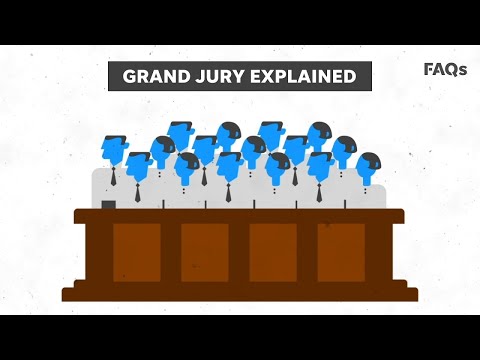
Typically, a federal grand jury has between 16 to 23 jurors; yeah, it’s larger than regular trial juries! This larger size helps make sure there’s enough diverse input on whether charges should be filed.
Also interesting? A grand jury doesn’t need everyone on board to move forward; they can actually make decisions with just over half of their members agreeing—kind of wild when you think about it!
Secrecy Is Key
You might think everyone should know how this all works out in public—it’s human nature! But here’s the thing: proceedings are kept secret on purpose. This confidentiality protects both witnesses and potential defendants from public scrutiny before any charges are even filed.
Mostly handled behind closed doors, only those involved—the grand jurors themselves along with prosecutors—have access during these meetings.
The Verdict
After hearing all the evidence presented by the prosecutor (who does most of the talking), grand jurors go off to deliberate together away from outside influence—basically having their own little meeting to hash things out. Then they come back with an **indictment** or **no indictment** decision based on their findings.
This means they either believe there is enough evidence for charges or feel there isn’t enough for any action at all—pretty straightforward!
To sum things up: serving on a federal grand jury is no small task; it requires dedication and attention since you’re playing an essential role in our justice system’s first steps against crime!
When is a Grand Jury Indictment Required? Understanding Legal Standards and Processes
When it comes to the legal system in the U.S., the term “grand jury” pops up quite a bit, and it can be a bit confusing. So, let’s break this down together.
A **grand jury** is a group of citizens who are called to review evidence presented by a prosecutor. Their main job? To decide if there’s enough evidence to formally charge someone with a crime, which is known as an **indictment**.
You might wonder when this whole grand jury situation actually kicks in. Generally speaking, a grand jury indictment is required for federal felony cases. This means if someone is accused of committing a serious crime at the federal level, like bank robbery or drug trafficking, they’ll likely face this process. But here’s the thing: not every state requires a grand jury for state crimes.
In many states, prosecutors can file charges directly without going through that extra step of having a grand jury weigh in. It really depends on state laws; some have different rules regarding indictments and what’s needed for prosecution.
So when we talk about **when** you need that grand jury? Well, here are some scenarios:
- Federal Felonies: As mentioned earlier, federal law mandates that serious crimes (felonies) must go through a grand jury.
- State Crime Felonies: Some states also require grand juries for serious crimes; check local laws to be sure.
- Certain Special Cases: Sometimes, jurisdictions have specific laws or situations where they require a grand jury—even for less severe offenses.
Now imagine you’re on a case—a friend of yours gets wrapped up in something serious like embezzlement. If it’s at the federal level, you’d better believe that the process will involve examining evidence before any formal charges fly. That’s where the grand jury steps in.
But here’s something cool about how grand juries work: they don’t just look at one side of the story. The prosecution presents evidence and witnesses, but there isn’t anyone advocating for the accused during these proceedings—they don’t even have to show up! Kind of one-sided if you think about it! Still, that’s how they sift through what’s worthy enough to go forward.
Also worth mentioning is that if you’re ever summoned for duty on one of these juries—don’t panic! It’s usually not as intimidating as it sounds. You’ll hear information and help determine if there’s enough basis for charges to be brought forth.
To wrap your head around it all—remember:
- A grand jury indictment is typically required for federal felonies.
- Some states may also require them for serious offenses.
- The process can vary widely depending on local laws.
In short? Understanding when a grand jury indictment is needed helps demystify part of our legal system—and keeps you informed about what could happen in serious criminal cases. And knowing your rights and responsibilities is always empowering!
So, let’s chat about grand juries. You probably hear the term pop up in crime shows or news reports, but what’s the deal with them? Seriously, if you’ve ever been curious about that shadowy figure lurking in the world of law, I got you!
A grand jury is basically a group of everyday folks—yeah, just like you and me—who get called to hear evidence in serious criminal cases. Their job isn’t to decide guilt or innocence, though. Instead, they’re tasked with determining whether there’s enough proof to bring someone to trial. Think of it as a sort of filter for the legal system. You wouldn’t want just any case clogging up the courts, right?
Now, here’s a little story for you. A friend of mine once got summoned for grand jury duty. At first, he was stressed out; he thought sitting in a room listening to legal jargon would be boring beyond belief. But once he got there? He was completely taken aback by how engaging it was! The prosecutor laid out the evidence like it was some intense movie plot. He saw witnesses come in and out, and even got to ask questions! It really opened his eyes to how important this process is—it’s not just some bureaucratic chore; it’s actually pretty powerful.
One big thing about grand juries is that they operate largely behind closed doors. This secrecy aims to protect both the process and the individuals involved—it’s all about ensuring fair trials later on by keeping details under wraps until a case actually goes to court. This can feel a bit unsettling sometimes; after all, transparency is key in justice matters, right? But think of it like keeping spoilers out of an epic movie—you want people to have their own experience when they finally see it unfold.
And while most people don’t think about them often, grand juries play a crucial role in preventing wrongful prosecutions as well. If there’s not enough evidence after hearing the facts presented by prosecutors? They can just say “nope!” and keep the system from chasing ghosts. This way, innocent people aren’t hauled into trials based on flimsy accusations.
So yeah, understanding this part of our legal system adds layers to our communal trust in justice and fairness— or at least that’s how I see it! It’s wild when you realize that everyday citizens are actually stepping into such significant roles like this one.
Next time you hear about a grand jury’s decision or see it mentioned on TV or online news outlets, you might find yourself looking at it with fresh eyes—not just some distant legal concept but as a vital piece of our justice puzzle filled with real people and serious consequences! Pretty cool stuff when you think about it!




