
The information provided in this article is intended solely for general informational and educational purposes related to U.S. laws and legal topics. It does not constitute legal advice, legal opinions, or professional legal services, and should not be considered a substitute for consultation with a qualified attorney or other licensed legal professional.
While efforts have been made to ensure the information is accurate and up to date, no guarantees are given—either express or implied—regarding its accuracy, completeness, timeliness, or suitability for any specific legal situation. Laws, regulations, and legal interpretations may change over time. Use of this information is at your own discretion.
It is strongly recommended to consult official sources such as the U.S. Government (USA.gov), United States Courts, or relevant state government and court websites before acting on any information contained on this website or article. Under no circumstances should professional legal advice be ignored or delayed due to content read here.
This content is of a general and informational nature only. It is not intended to replace individualized legal guidance or to establish an attorney-client relationship. The publication of this information does not imply any legal responsibility, guarantee, or obligation on the part of the author or this site.
So, have you ever heard of a grand jury? Yeah, it’s kind of a big deal in the U.S. legal system.
Picture this: you’re sitting around with friends, chatting about some crime drama where they mention a grand jury—what even is that?
Well, it’s not just some random group of people. They have a serious role to play. The thing is, they help decide if there’s enough evidence to move forward with charges.
It sounds complicated, but really, it’s just a few folks trying to make sense of things before going full steam ahead. Trust me; it’s got its own quirks that are honestly pretty interesting! So let’s break it down and see what grand juries are all about.
Understanding the US Grand Jury System: Function, Process, and Importance
The grand jury system in the U.S. is a pretty unique part of our legal framework. It’s like this behind-the-scenes group that helps decide if a case should go to trial. So, let’s break it down.
First off, what even is a grand jury? Well, a grand jury is a group of citizens—usually around 16 to 23 folks—who are picked to review evidence in serious criminal cases. They don’t decide guilt or innocence; instead, they look at whether there’s enough evidence to bring charges against someone. Think of it as a gatekeeper for serious cases.
Function
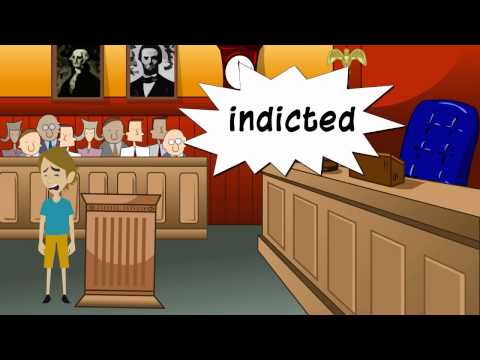
The main job of the grand jury is to determine if there’s “probable cause” that a crime was committed and that the accused person did it. If they think there’s enough evidence, they’ll hand down an indictment, which is just formal charges against someone. If not, the case gets tossed out, and that’s it.
Process
Now, how does this all work? The process can feel a bit mysterious since grand jury proceedings are usually closed to the public. Here’s how it generally goes:
- The prosecutor presents evidence and witnesses without the defense present.
- The jurors can ask questions as they see fit.
- If they think there’s enough evidence, they vote on whether to indict.
It sounds intense, right? Well, it kind of is! There’s no judge or defense attorney present throughout most of these proceedings.
Importance
So why does this matter? The grand jury serves as a check on government power. It protects people from being charged with crimes without adequate evidence backing it up. Like imagine if someone could just accuse you without any proof—kind of scary!
To illustrate this point: let’s say you’re accused of theft but there weren’t any cameras and no witnesses to back up the claim. If there were no grand jury system in place, you could easily find yourself facing criminal charges without anyone really examining the facts first.
Ultimately, the grand jury system plays a crucial role in ensuring fairness before someone faces serious consequences—a real chance for justice before anything else goes down in court. And while many people might not interact with it directly or get to see it in action, its impact is felt throughout our legal landscape every day!
Understanding the Grand Jury Selection Process: Key Steps and Criteria
Understanding the grand jury selection process can be a bit tricky, but it’s pretty essential for how things roll in the U.S. legal system. So let’s break it down, step by step.
First off, a grand jury isn’t like your regular jury. While regular juries decide if someone is guilty or not, grand juries determine if there’s enough evidence to bring someone to trial. It’s like a filter for serious criminal cases.
When it comes to selecting grand jurors, the process starts with what’s called “jury pools.” You know, those lists that come from various sources like voter registrations or driver’s license records? From these pools, potential jurors are randomly chosen.
So, what exactly happens next? Well, here are some of the key steps you can expect:
- Notification: Once selected, potential jurors receive a summons in the mail. Yup, it’s that official-looking letter telling you to show up and possibly serve.
- Questionnaire: After showing up at court, you might fill out a questionnaire. This helps the court figure out whether you’re qualified and if there are any reasons that might disqualify you.
- Voir Dire: This is just a fancy term for questioning jurors. Attorneys may ask questions to see if you have any biases or conflicts of interest regarding the case at hand.
- Selection: If you’re cleared through this process, congratulations! You’re part of a group selected to see if there’s enough evidence against someone facing serious charges.
Now let’s talk about criteria for serving on a grand jury. Generally speaking, you need to meet a few basic requirements:
- You must be at least 18 years old.
- You should be a citizen of the U.S.
- You can’t have any felony convictions (unless your rights have been restored).
- You also need to be able to understand English—important for grasping all that legal stuff!
But wait! There are some things that could get in your way even if you meet those criteria. For example:
- If you’re physically unable to serve—maybe due to health issues—you may be excused.
- If you’ve recently served on another jury or have certain other obligations (like being care provider), they might let you skip this time around too.
You know how people often have strong feelings about jury duty? It was kind of a big deal for my buddy Sam when he got summoned last year. He was initially frustrated but then realized how crucial his role actually was in helping ensure justice—or lack thereof—in his community. It opened his eyes!
In terms of witnesses and evidence, here’s where things get interesting. Grand juries can call in witnesses and hear evidence without having a defendant present—a real behind-the-scenes kind of affair! Prosecutors can present their case and gather more information before moving forward with charges.
Just remember this: being part of such an important process isn’t just about sitting in silence; it’s about participating actively in democracy and justice. So there ya go! That covers what goes down during the grand jury selection process! I hope it makes sense now—if something still feels fuzzy though, feel free to ask away!
Understanding the Purpose and Process of Grand Jury Cases: Key Insights
Sure, let’s dive into grand juries and what they do in the U.S. legal system.
A grand jury is kind of like a group of everyday people who gather to hear evidence about serious crimes. They’re not deciding guilt or innocence. Instead, they help determine whether there’s enough evidence to move forward with criminal charges against someone.
So, how does this all work? Well, first off, a grand jury is typically made up of 16 to 23 citizens. These folks are chosen from the same pool as regular jurors but have a completely different job. They meet in secret—this isn’t like a courtroom with a judge and public spectators hanging out.
The main purpose? To decide if there’s probable cause that someone committed a crime. Imagine you’ve got this friend who swears they saw something sketchy happen at a party, but there’s no video or anything to back it up. You’d want some concrete proof before going around saying your buddy is guilty of something bad, right? That’s pretty much what the grand jury does.
Here are some key insights:
Now, let’s consider an example: suppose law enforcement investigates a robbery at a local store and gathers some compelling evidence—like fingerprints or security footage. The prosecutor would present this information to the grand jury. If the grand jury decides there’s enough there, they’ll issue an indictment which allows them to take the case further in court.
But if they think it’s just not strong enough—maybe it was all just hearsay—then nothing happens publicly against that person. It’s kind of like hitting pause on any potential drama until there’s hard proof.
It’s essential to know that people don’t get called for grand jury duty very often compared to regular jury duty because these sessions can be lengthy and somewhat involved. But when you do get that notice in the mail inviting you for grand jury duty, you’re stepping into a critical role in the justice system!
In short, grand juries play this vital role in filtering cases before they hit trial courts—their decisions help shape how justice unfolds in society without putting innocent people through unnecessary trials!
You know, the whole idea of a grand jury can sound pretty mysterious, right? I mean, it’s not something most of us think about every day. But in the U.S. legal system, they’re actually kind of a big deal. Let’s break it down a bit.
Picture this: you’re living your everyday life when suddenly you find out that someone in your community is facing some pretty serious accusations. Those charges could range from financial fraud to something way more intense like robbery or even murder. Now, before a case can go to trial, there needs to be an initial step—this is where the grand jury hops in.
So, what does a grand jury do? Basically, they’re tasked with deciding whether there’s enough evidence to bring someone to trial. Think of them as a group of citizens sitting around a table trying to figure out if there’s enough smoke to suspect actual fire. They don’t decide if someone is guilty or innocent; that’s for the actual trial. Their job is much simpler but equally important: they look at the evidence and decide if it’s worth formally charging someone with a crime.
Imagine being part of that process! It can be super intense and eye-opening. You’re surrounded by fellow citizens just like you—maybe your neighbor or that barista who makes your coffee—and suddenly you’re hearing about serious stuff going down in your town.
It can feel overwhelming because you’re weighing people’s lives based on what information you’re given in that room. You want to make sure you get it right because whether someone stands trial or walks free hangs in the balance.
One thing that’s worth mentioning too is how secretive it all is! The proceedings are closed off to the public because they want witnesses and jurors alike to feel safe sharing information without fear of backlash or pressure from outside sources.
But here’s where it gets even deeper—if a grand jury decides there isn’t enough evidence for charges, that doesn’t mean the prosecutor can’t come back later with new information and try again. It’s kind of like hitting pause for now but leaving room for future action.
I remember listening to a podcast once about how one grand jury had to decide on some shocking allegations against somebody well-known in their area. It was wild hearing from jurors about how heavy that responsibility felt on their shoulders. They weren’t just making decisions; they were stepping into some real-life drama affecting people’s lives.
In short, grand juries serve as gatekeepers within our legal system—they help ensure there’s solid evidence before putting anyone through the ringer of a public trial. So yeah, while they might seem like just another piece in the puzzle at first glance, they play an essential role in our justice system and ultimately protect both victims’ and defendants’ rights as much as possible!




