
The information provided in this article is intended solely for general informational and educational purposes related to U.S. laws and legal topics. It does not constitute legal advice, legal opinions, or professional legal services, and should not be considered a substitute for consultation with a qualified attorney or other licensed legal professional.
While efforts have been made to ensure the information is accurate and up to date, no guarantees are given—either express or implied—regarding its accuracy, completeness, timeliness, or suitability for any specific legal situation. Laws, regulations, and legal interpretations may change over time. Use of this information is at your own discretion.
It is strongly recommended to consult official sources such as the U.S. Government (USA.gov), United States Courts, or relevant state government and court websites before acting on any information contained on this website or article. Under no circumstances should professional legal advice be ignored or delayed due to content read here.
This content is of a general and informational nature only. It is not intended to replace individualized legal guidance or to establish an attorney-client relationship. The publication of this information does not imply any legal responsibility, guarantee, or obligation on the part of the author or this site.
So, prison charges in the U.S. can be, like, super complicated, right? You hear about them all the time on the news, but what does it all mean?
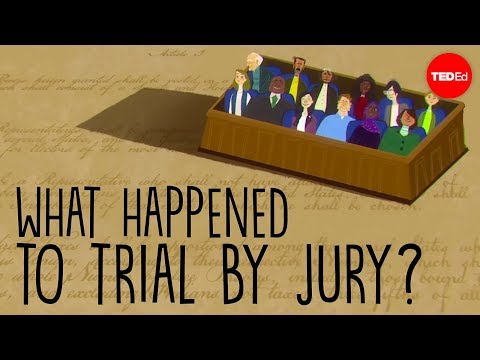
Imagine getting thrown into a world where your life hangs on some serious decisions. It’s wild! And that’s where jury trials come in. They’re not just some fancy legal thing; they’re kinda the heart of our justice system.
You’ve got regular folks deciding what happens to someone’s life based on evidence they see. Heavy stuff! So let’s break this down—how it works, why it matters, and what you should really know about those charges and the jury process. Sound good?
Understanding the Right to a Jury Trial in Civil Cases: Key Insights and Implications
So, you might’ve heard about your right to a jury trial in civil cases, and it’s a pretty important concept in the U.S. legal system. Basically, this right means you can have a group of your peers decide on the outcome of certain legal disputes instead of just leaving it up to a judge. Let’s break it down.
First off, what is a civil case? Well, these are not criminal cases like when someone is being charged with a crime. Instead, think of civil cases as disputes between individuals or organizations. Sometimes it’s about money, like if someone didn’t pay their debts or damaged property.
Now, when we talk about the right to a jury trial, it refers specifically to certain types of civil cases. You see, under the Seventh Amendment to the U.S. Constitution, people have the right to request a jury trial for civil disputes where the amount in controversy exceeds twenty dollars—yeah, that’s correct! Just twenty bucks! This might sound silly nowadays, but it’s all about ensuring fairness.
You might wonder why this matters so much. Well, having a jury—a group of everyday folks—means different perspectives are involved in making decisions instead of just one person with their own biases and views.
Now let’s consider some key points regarding this right:
- Jury Selection: The process starts by selecting jurors from the community. Both parties get to question potential jurors in what’s called “voir dire.” The goal here is to find people who can be fair and impartial.
- Trial Process: During the trial itself, evidence is presented by both sides—plaintiff and defendant—and then it’s up to the jury to deliberate and reach a verdict.
- Implications for Justice: This system acts as a check on governmental power and ensures that ordinary citizens have a say in significant decisions that affect lives.
- Impact on Legal Strategies: Lawyers often strategize based on what they believe will appeal to jurors since they’re not just arguing facts but also trying to win hearts.
Let me share an example from real life. Imagine two neighbors arguing over property damage caused by falling branches during a storm. If one neighbor claims damages worth thousands because they had expensive landscaping done while the other neighbor believes they shouldn’t pay anything at all – this could end up as a civil case that goes before a jury.
Even though we usually think of criminal cases when discussing jury trials—like those high-stakes murder trials you see on TV—civil cases play out similarly but focus less on punishment and more on compensation or rectifying wrongs.
It’s important to understand that not all civil cases automatically get a jury trial; sometimes parties agree beforehand or choose bench trials where just a judge decides.
Understanding the Right to a Jury Trial in Criminal Cases: Key Legal Insights and Implications
The right to a jury trial in criminal cases is a fundamental part of the American legal system. It’s like this big promise that you get a fair shot when facing serious charges. But what does all this really mean? Let’s break it down.
First off, the Sixth Amendment of the U.S. Constitution grants you this right. It says, basically, that in all criminal prosecutions, the accused shall enjoy the right to a speedy and public trial by an impartial jury. This is pretty much a cornerstone of justice in the U.S., ensuring that your peers—not just some judge—decide your fate.
Now, if you’re standing accused of something serious—like robbery or assault—you have the choice to go before a jury or have just a judge hear your case. Most folks opt for a jury because they want more eyes on their case. And who wouldn’t want multiple opinions, right?
When you think about it, juries come from all walks of life. Picture it: someone sitting next to a school teacher, then there’s an artist and maybe even a retired firefighter! They bring different experiences and perspectives into the room which can make the whole process feel way more balanced.
But here’s where things can get tricky. Jury selection, or “voir dire,” is super important and can totally shape your trial outcome. Lawyers for both sides get to ask potential jurors questions to figure out if they’re likely to be biased or not. This process isn’t perfect; sometimes jurors can still hold biases despite this questioning.
Also, keep in mind that criminal trials require unanimous verdicts. That means all twelve jurors have to agree on whether you’re guilty or not guilty. Just think about trying to convince eleven other people! If they can’t reach an agreement? Well, that’s called a hung jury, and it could lead to a mistrial.
Another vital piece is what happens if you’re found guilty by the jury. You might think it’s game over, but here’s where things get interesting: there’s still room for appeal! You can challenge how the trial was handled or if any rights were violated during your case.
Now imagine being faced with serious prison charges—like someone wrongly accused of armed robbery—and having that chance for freedom hinging on twelve strangers’ opinions about your guilt or innocence would be wild! Some folks feel it’s nerve-wracking while others see it as empowering; either way, it’s crucial.
In terms of practicality, the implications of having a jury trial are huge—it affects everything from plea deals to sentencing lengths and even public perception after the verdict comes down. The public often closely follows high-profile trials, influencing how communities view certain crimes and those involved.
Bottom line? The right to a jury trial isn’t just some fancy legal jargon; it’s about protecting people from unfair prosecution while ensuring justice feels genuine and community-centric—not merely dictated by authority figures alone.
So next time you hear about someone going through these legal hoops over prison charges—or maybe even find yourself reading about it online—remember how vital this system truly is!
Understanding the Right to Trial by Jury in Criminal Cases: Key Amendment Insights
The right to trial by jury is one of those foundational concepts in the U.S. legal system that many people might take for granted, but it’s pretty crucial. It’s all about fairness and ensuring that when someone faces serious criminal charges, they get a chance to have their case heard by a group of their peers. This right is primarily set out in the Sixth Amendment of the U.S. Constitution.
So, what does the Sixth Amendment really say? Well, it guarantees several rights related to criminal prosecutions, including that you have a right “to a speedy and public trial, by an impartial jury.” This part about an “impartial jury” is super important because it means that jurors should be unbiased and not influenced by outside opinions or pressures. You don’t want someone sitting on your jury who thinks they know all about your case just from watching news clips, you know?
And here’s where things get interesting: this right to a jury trial typically applies only to serious criminal cases. If you’re facing felony charges—like theft or assault—then you definitely have this right. But for less serious offenses, like minor misdemeanors, sometimes you might just find yourself in front of a judge without a jury.
Now let’s talk about how this works in practice. When you’re charged with a crime and decide to go for a jury trial, here’s what goes down:
- Jury Selection: This process is called “voir dire.” It’s where potential jurors are questioned to see if they can be fair and impartial.
- Trial Process: During the trial itself, both sides—prosecution and defense—present evidence and arguments. The jury listens carefully to everything.
- Deliberation: After all the evidence is presented, the jurors go into deliberation. That means they talk it over among themselves until they reach a verdict.
- Verdict: To convict someone on most criminal charges, there has to be what we call “proof beyond reasonable doubt.” So if there’s any doubt at all? The defendant should be found not guilty.
Here’s an everyday example: let’s say you’re accused of shoplifting something small but your case escalates into more serious territory because of circumstances around it (like if there was force involved). You say you didn’t do it at all—well then having that jury means regular folks will decide whether there’s enough evidence against you.
Now sometimes people wonder: can I waive my right to a jury trial? Yes! You can choose to go with just a bench trial—that’s when only a judge makes the call—but usually, that’s not recommended unless there’s some strategic reason behind it.
Another thing worth noting: the role of juries isn’t just about deciding guilt; they also consider sentences in some cases. They basically hold power like judges do when it comes down to weighing what kind of punishment fits specific crimes.
You know, when you think about prison charges in the U.S., it’s kind of mind-boggling. I mean, we’ve got this massive system that’s supposed to keep society safe and act justly. But then there’s the whole jury trial thing—it’s like a double-edged sword. On one hand, you have people who’ve been charged with serious crimes, and on the other hand, you have regular folks like you and me being called in as jurors to help weigh their fate.
I remember a story about a friend of mine who got called for jury duty. At first, he felt a bit bummed out—like, who wants to sit in a courtroom all day? But once he got there and saw the process unfold, something clicked for him. He realized how crucial it was for someone facing prison charges to have an unbiased group of people decide their case. It wasn’t just a number game; lives were at stake.
Let’s face it, being charged with something like theft or assault can totally change someone’s life forever. A jury has the heavy responsibility of listening to evidence and making sure that justice is served—not just for the accused but for everyone involved. The idea that twelve everyday citizens can come together to deliberate on someone’s future is pretty powerful. It puts accountability right where it belongs—in the hands of the community.
But here’s where it gets tricky: not all juries are created equal. You’ve got factors like race, socioeconomic status, and even the quality of defense that can sway things in ways we might not even realize until it’s too late. Like what if someone gets sentenced unfairly because they didn’t have a good lawyer? Or what if biases creep into deliberations?
The legal system isn’t perfect by any means; it has its flaws like anything else humans create—but juries are meant to be this check against those flaws.
So yeah, the role of jury trials is super important when we’re talking about prison charges. They’re supposed to embody fairness in such a weighty process—taking a long look at each case before rushing into conclusions or punishing someone harshly. It reminds us all how significant our voices are as citizens, even when we’re sitting in those stiff chairs at court pretending to be experts on law!




