
The information provided in this article is intended solely for general informational and educational purposes related to U.S. laws and legal topics. It does not constitute legal advice, legal opinions, or professional legal services, and should not be considered a substitute for consultation with a qualified attorney or other licensed legal professional.
While efforts have been made to ensure the information is accurate and up to date, no guarantees are given—either express or implied—regarding its accuracy, completeness, timeliness, or suitability for any specific legal situation. Laws, regulations, and legal interpretations may change over time. Use of this information is at your own discretion.
It is strongly recommended to consult official sources such as the U.S. Government (USA.gov), United States Courts, or relevant state government and court websites before acting on any information contained on this website or article. Under no circumstances should professional legal advice be ignored or delayed due to content read here.
This content is of a general and informational nature only. It is not intended to replace individualized legal guidance or to establish an attorney-client relationship. The publication of this information does not imply any legal responsibility, guarantee, or obligation on the part of the author or this site.
Hey, you know how everyone’s been talking about rights lately? It feels like they’re always in the news. Well, one thing that keeps coming up is our right to protest and jury rights.
Imagine standing up for what you believe in—whether it’s climate change, social justice, or any cause that gets your heart racing. That’s powerful stuff! But there’s a lot more to it than just passion.
You’ve probably heard folks say things like, “You can’t fight City Hall,” or “What’s the point anyway?” But here’s the deal: protests and juries are about holding power accountable.
So let’s dig into this whole amendment proposal about protest rights and how they connect to jury rights. It might just spark some ideas for how we navigate this crazy world together!
Understanding the 7th Amendment: Key Insights on Jury Rights and Responsibilities
The 7th Amendment is like this super important piece of our Constitution that deals with your right to a jury trial in civil cases. It comes into play when people sue each other—think disputes over money, property, or contracts. Basically, it’s all about ensuring fairness in the legal system.
First, let’s break it down a bit. The 7th Amendment states that if the amount in controversy exceeds twenty dollars (crazy, right?), you have the right to a trial by jury. This was a big deal back in the day because some folks were worried about government power and wanted to make sure common people could weigh in on legal matters.
Now, you might be wondering what exactly “civil cases” means. Well, these are not about crime but rather private disputes between individuals or organizations. For example:
- If two neighbors argue over property lines or fences.
- When someone claims they were wronged in a business deal.
You get the idea? These issues aren’t involving serious crimes like theft or assault; they’re more about fixing conflicts and settling differences without resorting to violence.
What’s more interesting is that juries can be made up of your peers—people from your community—who decide the outcome based on evidence presented during trial. And here’s where it gets even cooler: those jury decisions are usually final. That means if a jury finds for one party, that decision carries weight and can’t just be brushed aside easily.
Now let’s tie this into something current: the proposal on the right to protest and jury rights. With protests being a hot topic lately, consider how essential these rights are when people want their voices heard peacefully yet want to ensure they’re treated fairly under law too. If someone feels their rights were violated during a protest (like being wrongfully arrested), they could potentially seek redress through civil courts with a jury.
It brings up questions about accountability too! If police conduct isn’t held accountable when things go sideways at protests, how does that reflect on society’s values? Juries can help provide checks on that kind of power.
So while discussions around amendments and changes can sometimes feel distant or academic, understanding your rights as outlined in the 7th Amendment is super relevant today! It arms you with knowledge and empowers you when navigating legal situations—especially ones where justice needs to stand tall against any form of oppression.
In short, remember this: the 7th Amendment protects your right to engage meaningfully with justice through jury trials in civil matters. It reminds everyone involved—from ordinary citizens to powerful entities—that fairness in legal proceedings must always matter.
Understanding the Impact of the 13th, 14th, and 15th Amendments on Civil Rights in America
The 13th, 14th, and 15th Amendments to the U.S. Constitution are pivotal in understanding civil rights in America. These amendments, ratified during the Reconstruction era, were designed to address injustices faced by formerly enslaved individuals and other marginalized groups. Let’s break down their impact.
The 13th Amendment, ratified in 1865, abolished slavery. This was a huge step forward for civil rights. It meant that no one could be owned as property. Imagine being able to finally walk free after generations of oppression! However, it didn’t guarantee complete freedom or equal treatment.
The 14th Amendment followed in 1868 and took things further by ensuring citizenship for all born or naturalized in the U.S. It also promised “equal protection of the laws.” This meant that states couldn’t deny anyone their rights without due process. Think about how significant that is for people fighting against discrimination!
The 15th Amendment, ratified in 1870, aimed to protect voting rights regardless of race. It was a huge deal at a time when many Black men were barred from voting through discriminatory practices like literacy tests and poll taxes.
Despite these amendments being a big deal on paper, the reality was different. Many Southern states found ways around them through Jim Crow laws and other oppressive measures. This created a long-lasting struggle for equality.
Fast forward to today, there’s ongoing conversation about civil rights—especially regarding protests and jury rights—highlighting how far we’ve come but also how much more work there is to do.
Proposals regarding the right to protest often draw on these amendments as foundational principles of freedom and equality. The idea is that if you can’t protest injustice peacefully, you’re denying people’s fundamental rights guaranteed over a century ago.
Jury rights are equally important because they relate directly to the principle of a fair trial—a right that’s deeply rooted in the Constitution as well. Ensuring that juries represent diverse perspectives is crucial for justice; it reflects fairness in legal proceedings.
In understanding these amendments’ impacts on civil rights today, it’s clear they’re not just historical footnotes but living documents influencing current discussions about equality and justice across various spheres.
So when you think about protests or jury composition today, remember: roots run deep into those first critical changes made back then!
Understanding the Right to Peaceful Assembly: Amendments and Legal Implications
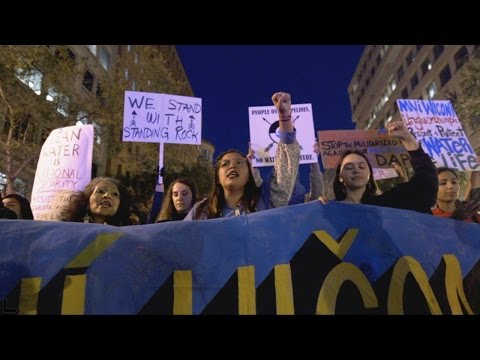
The right to peaceful assembly is a big deal in the U.S. It’s a part of our First Amendment rights, which also include freedom of speech, religion, and the press. Basically, it gives people the ability to come together peacefully to express their views, demand change, or just gather for a cause. It’s like when you see folks marching for climate change or social justice—this is their way of making sure their voices are heard.
What does peaceful assembly really mean? Well, it means you can gather with others without fear of the government stepping in just because they don’t like what you’re saying. However, there are some rules about this right. For example, while you can protest in public spaces, like streets or parks, there are regulations about permits and time limits. Imagine planning a huge rally in your city’s main square; you’d probably need permission from local authorities first.
Now let’s talk about legal implications. The law doesn’t protect any type of assembly if it turns violent or breaks other laws. So if a peaceful protest turns into chaos and people start throwing things or damaging property—that’s when things get tricky legally. Law enforcement has the authority to disperse crowds if they believe there’s an imminent threat to safety.
Why is this important? Well, it’s all about balance between rights and responsibilities. You have the right to voice your opinion peacefully; that’s foundational! But at the same time, we’ve got to respect others’ rights too—not just those who are protesting but also bystanders and businesses around them.
You might wonder how these principles apply when it comes to amendments related to protests or jury rights. There have been discussions about enhancing protections for protesters or ensuring juries understand these rights better when considering cases involving assembly issues.
So what happens if someone feels their right was violated? They can take action! People often file lawsuits against cities or police departments if they think their right to assemble was unjustly restricted. A famous case that comes to mind is **Shelton v. Tucker**, where the Supreme Court ruled that restrictions on political activities could not be imposed without compelling justification.
In summary, understanding the right to peaceful assembly involves knowing your freedoms and responsibilities under the law. It brings communities together but requires respect for everyone involved—the protesters and those who might be affected by them too!
You know, the idea of proposing an amendment to protect the right to protest and bolster jury rights really got me thinking. It’s wild how much these two things are intertwined in our democracy. When you think about it, protest is such a fundamental part of how people express dissatisfaction or advocate for change. I mean, we’ve seen countless movements shaped by people gathering together—like the civil rights movement or environmental rallies. And then there’s the jury system, which is kind of like the courtroom’s own version of a community voice. You get everyday folks making decisions that can seriously impact someone’s life.
There’s something powerful about both rights. Imagine a world where people feel they can stand up for what they believe without fear of getting shut down. It reminds me of that time I went to a local rally against something I felt strongly about—there was this energy in the air! People were chanting and holding signs, and honestly, it felt like we were all part of something bigger than ourselves. But then you see news stories about protests turning chaotic or folks facing harsh penalties just for speaking out, and it makes you wonder… should there be a stronger legal backbone to protect those voices?
And when you think about jury rights, it really hits home how justice can be so dependent on local communities. If more people understood their role as jurors—like how their opinions matter in deciding cases—we could see some profound shifts in courtroom outcomes. But if people don’t feel empowered to protest or trust that their voices will matter in a jury box, it kind of makes you question how robust our democracy really is.
So yeah, an amendment proposal that highlights both could be a significant step toward ensuring these rights are safeguarded for everyone. We’d be saying loud and clear that your voice matters—both in the streets and in the courtroom—and that’s pretty cool if you ask me!




